





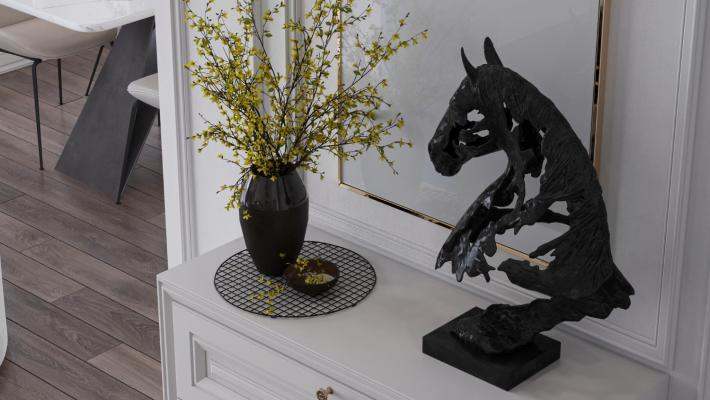
Fiberglas-Skulptur in der modernen Kunst: Warum Designer sie heute bevorzugen
Veröffentlicht von Luxury Group International Design Team / Luxus-Skulpturen / March 04, 2026
In zeitgenössischen Galerien, Luxushotels, Unternehmenszentralen und hochwertigen Wohnprojekten definiert ein Material zunehmend die Zukunft des künstlerischen Ausdrucks: Fiberglas-Skulptur. Einst als rein industrielles Material betrachtet, hat sich Fiberglas zu einem bevorzugten Medium für Designer und Künstler entwickelt, die kreative Freiheit, strukturelle Zuverlässigkeit und langfristige Leistung verlangen.
Heutige Architekten, Innenarchitekten und Kunstberater suchen nicht nur nach visueller Wirkung. Sie wollen Haltbarkeit, Individualisierung, leichtere Logistik und starke Outdoor-Performance. Im Vergleich zu traditionellen Materialien wie Bronze, Marmor oder Stein bietet Fiberglas eine überzeugende Balance zwischen Ästhetik und Praktikabilität.
Dieser Artikel untersucht die Vorteile von Fiberglas-Skulpturen in der modernen Kunst mit einem professionellen Vergleich von Haltbarkeit, Flexibilität der Oberflächen und Outdoor-Performance – drei entscheidenden Faktoren, die heute Designentscheidungen beeinflussen.
Verständnis der Fiberglas-Skulptur im zeitgenössischen Design
Fiberglas, technisch bekannt als glasfaserverstärkter Kunststoff (GFK), ist ein Verbundmaterial, das durch Einbetten feiner Glasfasern in eine Harzmatrix hergestellt wird. Das Ergebnis ist ein Material, das sowohl leicht als auch strukturell stark ist.
In der Welt der modernen Skulpturen eröffnet diese Kombination endlose kreative Möglichkeiten. Designer können Fiberglas zu hyperrealistischen figürlichen Stücken, großformatigen abstrakten Installationen, glatten minimalistischen Formen oder komplexen dekorativen Kunstwerken formen, ohne die strukturellen Einschränkungen, die mit Stein oder Metall verbunden sind.
Im Gegensatz zu Marmor, der subtraktives Schnitzen erfordert, erlaubt Fiberglas additives Modellieren und Formen. Das bedeutet, dass Künstler mit Kurven, Überhängen, hohlen Formen und dramatischen Proportionen experimentieren können, während die Stabilität erhalten bleibt.
Die Flexibilität der Fiberglas-Skulptur hat sie besonders beliebt gemacht in:
-
Luxuriösen Wohninterieurs
-
Boutique-Hotels und Gastgewerberäumen
-
Unternehmens-Lobbys
-
Öffentlichen Kunstinstallationen im Freien
-
Zeitgenössischen Kunstgalerien
Ihre Anpassungsfähigkeit passt perfekt zu den Anforderungen moderner Architektur und groß angelegter Innenarchitekturprojekte.
Haltbarkeit: Stärke ohne Gewicht
Haltbarkeit ist einer der Hauptgründe, warum Designer Fiberglas-Skulpturen zunehmend traditionellen Materialien vorziehen.
1. Schlagfestigkeit
Marmor und Stein können unter Druck Risse bekommen. Bronze ist zwar langlebig, aber schwer und teuer im Transport. Fiberglas hingegen bietet eine beeindruckende Schlagfestigkeit. Es kann kleinere Stöße und Vibrationen absorbieren, ohne leicht abzusplittern oder zu brechen.
Das macht es besonders geeignet für stark frequentierte Umgebungen wie Hotels, Geschäftsgebäude und öffentliche Räume.
2. Leichtgewichtiger Vorteil
Einer der praktischsten Vorteile von Fiberglas-Skulpturen in der modernen Kunst ist ihr geringes Gewicht. Großformatige moderne Skulpturen aus Bronze oder Stein benötigen schwere Fundamente und strukturelle Verstärkungen. Fiberglas-Skulpturen sind deutlich leichter, was die Installationskomplexität und die Anforderungen an die Tragstruktur reduziert.
Für Designer, die in mehrstöckigen Gebäuden oder bei Nachrüstprojekten arbeiten, ist dieser Gewichtsvorteil transformierend.
3. Korrosionsbeständigkeit
Im Gegensatz zu Metallskulpturen rostet oder korrodiert Fiberglas nicht. Das macht es ideal für Küstenimmobilien, feuchte Klimazonen und Außeninstallationen, die Umwelteinflüssen ausgesetzt sind.
Im Vergleich dazu:
-
Bronze kann Patina entwickeln und Wartung erfordern.
-
Stahl kann ohne Schutzbeschichtung rosten.
-
Stein kann mit der Zeit erodieren.
Fiberglas-Skulpturen bewahren ihre strukturelle Integrität bei minimalem Pflegeaufwand.
Flexibilität der Oberfläche: Unbegrenzte ästhetische Möglichkeiten
Moderne Designer verlangen Materialvielfalt. Eine der attraktivsten Eigenschaften von Fiberglas-Skulpturen ist ihre Fähigkeit, traditionelle Oberflächen zu imitieren oder zu übertreffen.
1. Oberflächenanpassung
Fiberglas kann in folgenden Oberflächen ausgeführt werden:
-
Hochglänzender Lack
-
Matte, zeitgenössische Töne
-
Metallische Effekte (Gold-, Bronze-, Chromoptik)
-
Stein- oder Marmorsimulationen
-
Strukturierte künstlerische Oberflächen
Dieses Maß an Individualisierung ermöglicht es Designern, Skulpturen präzise an Innenraumthemen anzupassen – von ultramodernem Minimalismus bis hin zu kühner Avantgarde-Ästhetik.
2. Nahtlose Formen
Im Gegensatz zu Materialien, die mechanisches Verbinden von Sektionen erfordern, können Fiberglas-Skulpturen in durchgehenden Formen gegossen werden. Das führt zu glatten, ununterbrochenen Oberflächen, die sich verfeinert und zeitgemäß anfühlen.
In modernen Skulpturen definiert nahtloser Fluss oft Luxus. Fiberglas ermöglicht diese skulpturale Fluidität ohne sichtbare strukturelle Kompromisse.
3. Farbintensität
Pigmente können direkt in das Material integriert oder durch fortschrittliche Oberflächentechniken aufgetragen werden. Das ermöglicht lebendige, lichtbeständige Farben, die über die Zeit konstant bleiben.
Für Unternehmensinstallationen oder gebrandete Umgebungen ist dies besonders wertvoll.
Outdoor-Performance: Für die Elemente gebaut
Außeninstallationen erfordern Materialien, die Umwelteinflüssen standhalten. Die Vorteile von Fiberglas-Skulpturen in der modernen Kunst werden besonders im Außenbereich deutlich.
1. Wetterbeständigkeit
Fiberglas widersteht:
-
Regen und Feuchtigkeit
-
UV-Strahlung (bei entsprechender Beschichtung)
-
Temperaturschwankungen
-
Windbelastung
Während Stein erodieren und Metall oxidieren kann, behalten Fiberglas-Skulpturen bei richtiger Versiegelung ihre Form und Oberfläche.
2. Geringer Wartungsaufwand
Außenbronze- oder Marmorskulpturen benötigen oft regelmäßiges Polieren, Versiegeln oder Restaurieren. Fiberglas-Skulpturen erfordern typischerweise nur gelegentliches Reinigen.
Das macht sie besonders attraktiv für öffentliche Kunstprojekte, Gärten, gewerbliche Landschaften und Resort-Umgebungen.
3. Strukturelle Stabilität bei großen Installationen
Große moderne Skulpturen im Außenbereich sind Windlasten ausgesetzt. Fiberglas bietet eine hohe Zugfestigkeit im Verhältnis zu seinem Gewicht, was es für ambitionierte Großprojekte geeignet macht.
Designer können mutige, überdimensionale Installationen schaffen, ohne die hohen Ingenieurkosten schwererer Materialien.
Kosteneffizienz ohne Kompromisse beim Design
Während Fiberglas-Skulpturen Haltbarkeit und ästhetische Flexibilität bieten, bringen sie auch Kostenvorteile mit sich.
-
Niedrigere Materialkosten im Vergleich zu Bronze
-
Reduzierte Versand- und Installationskosten
-
Minimale Anforderungen an strukturelle Verstärkung
-
Niedrigere langfristige Wartungskosten
Für Entwickler, Kunstberater und Gastgewerbedesigner mit definierten Budgets ermöglicht Fiberglas große visuelle Wirkung ohne steigende Gesamtkosten.
Diese wirtschaftliche Praktikabilität ist ein wesentlicher Grund, warum Fiberglas-Skulpturen in modernen kommerziellen und luxuriösen Räumen dominieren.
Kreative Freiheit für zeitgenössische Künstler
Moderne Kunst lebt von Experimenten. Fiberglas unterstützt diese kreative Freiheit.
Künstler können:
-
Schnell Prototypen erstellen
-
Formen für limitierte Auflagen anfertigen
-
Designs einfach skalieren
-
Konstante Formen reproduzieren
Im Gegensatz dazu ist das Schnitzen von Marmor oder das Gießen von Bronze zeitaufwendig und weniger anpassungsfähig bei Designänderungen.
Fiberglas-Skulpturen ermöglichen schnellere Produktionszyklen, was mit zeitgenössischen Projektzeitplänen in Architektur und Innenarchitektur übereinstimmt.
Vergleich von Fiberglas mit traditionellen Materialien
Um seine wachsende Beliebtheit besser zu verstehen, hier ein direkter Vergleich:
| Eigenschaft | Fiberglas-Skulptur | Marmor | Bronze |
|---|---|---|---|
| Gewicht | Leicht | Sehr schwer | Schwer |
| Haltbarkeit | Hohe Schlagfestigkeit | Kann Risse bekommen | Sehr langlebig |
| Wartung | Niedrig | Mittel | Mittel |
| Outdoor-Performance | Ausgezeichnet (beschichtet) | Wetterempfindlich | Gut (mit Pflege) |
| Oberflächenoptionen | Hochgradig anpassbar | Nur natürlich | Begrenzte Patina-Varianten |
| Kosteneffizienz | Hoch | Teuer | Teuer |
Dieser Vergleich verdeutlicht, warum Designer zunehmend Fiberglas-Skulpturen für moderne Skulpturen im Innen- und Außenbereich wählen.
Nachhaltigkeit und Zukunftspotenzial
Nachhaltigkeit rückt zunehmend in den Mittelpunkt moderner Design-Diskussionen. Die Produktionstechniken von Fiberglas entwickeln sich weiter, mit umweltbewussteren Harzsystemen und effizienteren Herstellungsverfahren.
Da Fiberglas-Skulpturen langlebig sind und nur minimalen Ersatz oder Restaurierung benötigen, tragen sie zur Lebenszykluseffizienz in Architektur- und Landschaftsprojekten bei.
Während moderne Skulpturen weiterhin an Größe und Ambition zunehmen, bietet Fiberglas die strukturelle und ästhetische Anpassungsfähigkeit, die für die Zukunft des Designs erforderlich ist.
Fazit: Ein modernes Material für moderne Visionen
Fiberglas-Skulptur hat sich fest als führendes Medium in zeitgenössischer Kunst und Design etabliert. Die Kombination aus Haltbarkeit, Flexibilität der Oberflächen und Outdoor-Performance macht es einzigartig geeignet für die heutigen architektonischen und künstlerischen Anforderungen.
Die Vorteile von Fiberglas-Skulpturen in der modernen Kunst gehen über die Ästhetik hinaus. Designer schätzen die leichte Stärke, anpassbare Oberflächen, Widerstandsfähigkeit gegen Umwelteinflüsse und Kosteneffizienz. Künstler schätzen die kreative Freiheit und Produktionsflexibilität.
Während moderne Skulpturen in Größe und Komplexität weiter wachsen, bietet Fiberglas eine Lösung, die künstlerischen Ausdruck mit praktischer Anwendbarkeit verbindet.
Für Designer, Entwickler und Sammler, die Innovation ohne Kompromisse suchen, repräsentiert Fiberglas-Skulptur nicht nur einen Trend – sondern die Zukunft der modernen Kunst.
AKTUELLE BEITRÄGE
-
Die Kunst der Gastlichkeit: Wie luxuriöse Bar-Möbel ein stilvolles Interieur verwandeln
September 24, 2026
-
Die neue Kunst der Erholung: Gestaltung eines auf Wellness ausgerichteten Luxus-Schlafzimmers
September 24, 2026
-
Gerahmte Drucke, die mühelose europäische Eleganz in die Wohnungseinrichtung bringen
September 23, 2026
-
Wie Kristallkronleuchter Licht, Raumhöhe und luxuriöse Innenräume neu gestalten
September 23, 2026
-
Die Kunst, eine luxuriöse Tischuhr auszuwählen: Ein Leitfaden zu Größe, Stil und Aufstellung
September 21, 2026
-
Elegante Wandleuchten: Das Geheimnis für wärmere, charaktervollere Luxus-Innenräume
September 21, 2026
-
Luxuriöse TV-Möbel mit Wohnzimmermöbeln kombinieren: Schaffen Sie ein einheitliches, elegantes Ambiente in modernen Wohnungen und Hotels
September 20, 2026
-
CEO-Bürogestaltung: Schreibtisch- und Chefsessel-Ideen für ein luxuriöses Firmeninterieur
September 20, 2026
-
So wählen Sie einen Beistelltisch für das Wohnzimmer aus: 5 Gestaltungsregeln | Der Leitfaden zum Goldenen Schnitt
September 19, 2026
-
Warum Boutique-Hotels in klassische Marmorstatuen für Lobbys und Gärten investieren
September 19, 2026