





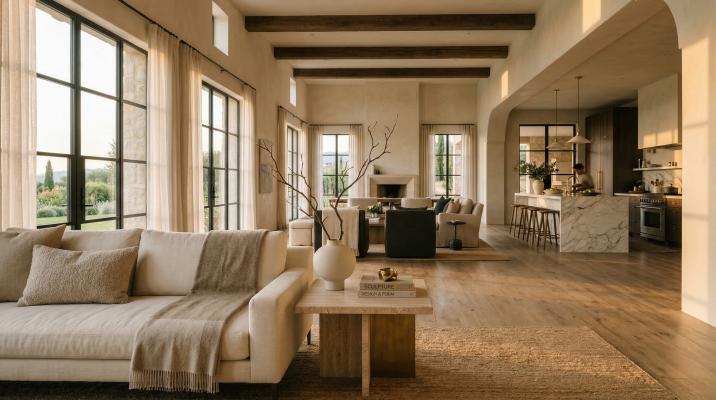
Die Kunst des Ankers: Styling Ihres Beistelltischs im Wohnzimmer in großzügigen Open-Concept-Räumen
Veröffentlicht von Luxury Group International Design Team / Möbel für das Wohnzimmer / March 19, 2026
Das moderne europäische Zuhause ist oft eine Feier des Raums. Wir sehnen uns nach der Luftigkeit hoher Decken und dem nahtlosen Übergang zwischen Küche, Ess- und Wohnbereichen. Doch es gibt ein besonderes „Geheimnis“ bei der Einrichtung dieser weitläufigen Flächen: Wie verhindert man, dass ein schöner, offener Raum wie eine kalte, hallende Galerie wirkt?Das Geheimnis liegt nicht in übergroßen Sofas oder prächtigen Kronleuchtern – es liegt im Beistelltisch fürs Wohnzimmer. Diese kleineren, gezielt ausgewählten Stücke fungieren als visuelle Anker, die intime „Inseln“ des Komforts in einem Meer offener Fläche definieren. Wenn Sie die Tipps zur Platzierung von Beistelltischen im Wohnzimmer für offene Grundrisse beherrschen, können Sie eine leere Halle in ein Refugium anspruchsvoller Leichtigkeit verwandeln.
1. Intimität durch ausgewogene Proportionen schaffen
In einer Luxushotel-Lobby oder einem großen privaten Anwesen ist der größte Fehler, Möbel auszuwählen, die von der Architektur „verschluckt“ werden. Bei der Wahl eines Beistelltischs fürs Wohnzimmer sollten Sie die Größe Ihrer Sitzmöbel berücksichtigen.
Im offenen Wohnkonzept sollte Ihr Beistelltisch nicht nur ein Platz sein, um ein Glas Champagner abzusetzen; er sollte als Brücke zwischen den Möbeln und der umgebenden Luft dienen.
- Die goldene Regel: Die Höhe Ihrer Beistelltisch-Dekoration sollte innerhalb von 5 cm der Armlehne Ihres Sofas liegen.
- Visuelles Gewicht: In großen Räumen sollten Sie Tische mit massiven Sockeln wählen – denken Sie an solide Marmorsockel oder dick geschnittene Eichenholzfüße –, um sicherzustellen, dass sie sich gegen die Weite des Raumes behaupten können.
2. Das Raster mit sanften Kurven auflockern
Offene Wohnkonzepte werden oft von harten Linien dominiert: bodentiefe Fenster, rechteckige Kücheninseln und lange Flure. Um diese Räume „menschlich“ und einladend wirken zu lassen, müssen organische Formen eingeführt werden.
Ein runder oder elliptischer Beistelltisch fürs Wohnzimmer durchbricht das „Raster“ eines großen Raumes. Diese sanften Kurven sehen nicht nur schön aus; sie lenken die natürliche Bewegung. In einem offenen Grundriss laufen Menschen nicht in geraden Linien; sie fließen. Ein abgerundeter Akzenttisch verhindert die „Eckenangst“ und fördert einen weicheren, fließenderen Übergang zwischen Lounge- und Essbereich.
Profi-Tipp: In einem Luxusambiente sollten Sie nach Tischen mit gebürstetem Messing oder geschliffenem Travertin suchen. Diese Materialien fangen das Licht zu verschiedenen Tageszeiten unterschiedlich ein und verleihen dem Raum eine „lebendige“ Textur.
3. Tipps zur Platzierung von Beistelltischen im Wohnzimmer bei offenem Grundriss
Die Platzierung macht den Unterschied zwischen einem überladenen und einem sorgfältig gestalteten Raum. In großzügigen Räumen platzieren Sie nicht einfach nur einen Tisch; Sie definieren eine Zone.
Die Floating-"Insel"-Strategie
Wenn Ihr Sofa mitten im Raum „schwebt“ (nicht an eine Wand geschoben ist), wird der Beistelltisch zu seinem Komplizen.
- Der doppelseitige Ansatz: In sehr großen Wohnbereichen verwenden Sie ein Paar ungleicher, aber sich ergänzender Beistelltische an beiden Enden eines langen Sofas. Dies schafft ein Gefühl von Symmetrie, das die gesamte „Zone“ verankert.
- Der Übergangsmarker: Platzieren Sie ein Akzenttisch-Dekor-Element am „Eingangspunkt“ des Sitzbereichs. Dies signalisiert den Gästen, dass sie von einem Durchgangsbereich in eine Ruhezone übergehen.
Strategische Tischmaße
| Merkmal | Empfehlung für große Räume |
|---|---|
| Durchmesser/Breite | 50cm - 70cm (vermeiden Sie winzige „Getränke“-Tische) |
| Material | Naturstein, handgeschmiedetes Metall oder Rauchglas |
| Platzierung | 5 cm - 10 cm vom Sofaarm entfernt, um „Atmung“ zu ermöglichen |
4. Dekoration des Beistelltischs: Die Drei-Regel
Sobald der Tisch platziert ist, muss die Gestaltung den Luxus des Raums widerspiegeln. In einem hochwertigen europäischen Zuhause lautet das Mantra „Weniger ist mehr“, aber „zu wenig ist einsam“.
Für Ihre Dekoration des Beistelltischs befolgen Sie die Drei-Regel:
- Vertikalität: Eine hohe, schlanke Lampe oder ein einzelner skulpturaler Zweig in einer Vase, um den Blick nach oben zu den hohen Decken zu lenken.
- Textur: Ein schweres, leinengebundenes Coffeetable-Book oder ein ledergebundenes Journal.
- Organisches Element: Ein Stück roher Kristall oder eine kleine Keramikschale.
5. Warum Qualität in offenen Räumen wichtig ist
In einer engen Wohnung kann man eine billige Oberfläche in einer dunklen Ecke verstecken. In einem sonnenverwöhnten, offenen Luxushaus steht jedes Detail unter dem Mikroskop. Ob für ein Luxushotel oder eine Privatresidenz, das haptische Erlebnis des Beistelltischs ist entscheidend.
Wenn ein Gast einen Platz für ein Buch sucht, verstärkt die Kühle von echtem Stein oder die Wärme von massivem Walnussholz das Gefühl von dauerhaftem, stillem Luxus. In großzügigen Bereichen sind es diese kleinen Berührungspunkte, die den Raum teuer wirken lassen und nicht nur „groß“.
Design für Bewegung und Leichtigkeit
Letztlich geht es beim Styling eines offenen Wohnzimmers darum, ein Gefühl zu inszenieren. Mit der Wahl des richtigen Beistelltischs für das Wohnzimmer und dem Beherrschen der Nuancen der Platzierung füllen Sie nicht einfach nur den Boden; Sie schaffen eine Umgebung, in der Bewegung natürlich wirkt und Stillstand verdient erscheint.
Das nächste Mal, wenn Sie Ihren großzügigen Wohnbereich betrachten, sehen Sie keine Leere. Sehen Sie eine Gelegenheit, Ihren Stil mit Stücken zu verankern, die sowohl Funktion als auch eine stille, anspruchsvolle Schönheit bieten.
AKTUELLE BEITRÄGE
-
Alte Mauern, neue Geschichten: Wie zeitgenössische Möbel Heritage-Hotels neu beleben
August 18, 2026
-
Design nach oben: Warum 8-Schubladen-Kommoden in Schlafzimmern mit hohen Decken in Europa unverzichtbar sind
August 18, 2026
-
Von der Lobby zur Suite: Die Kunst einer nahtlosen Luxus-Materialgeschichte
August 17, 2026
-
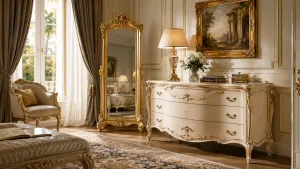
Moderne Kommoden, die zeitlosen Luxus in anspruchsvolle Interieurs bringen
August 17, 2026
-

Hinter dem Handwerk: Wie Meisterbildhauer Luxus-Bronzeskulpturen erschaffen
August 16, 2026
-
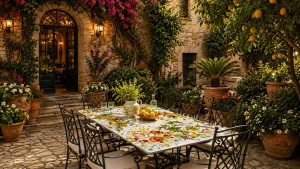
Wo Eleganz auf die Natur trifft: Luxus-Esstische für europäische Terrassen
August 16, 2026
-
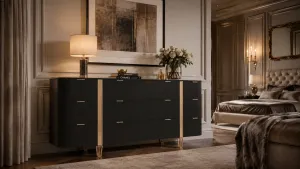
Großer Stauraum, königlicher Stil: Kommoden mit 9 Schubladen für palastinspirierte Schlafzimmer
August 15, 2026
-
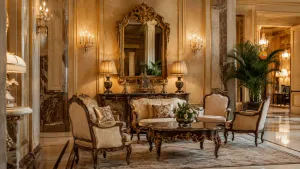
Tradition statt Trends: Warum Hotels in handgeschnitzte, mit Blattgold verzierte Möbel investieren
August 15, 2026
-
Nachhaltiger Luxus, der Bestand hat: Materialien für stark frequentierte Hotelinterieurs
August 14, 2026
-
Erbe unter freiem Himmel: Vintage-Esstische für elegantes Gartenleben
August 14, 2026