





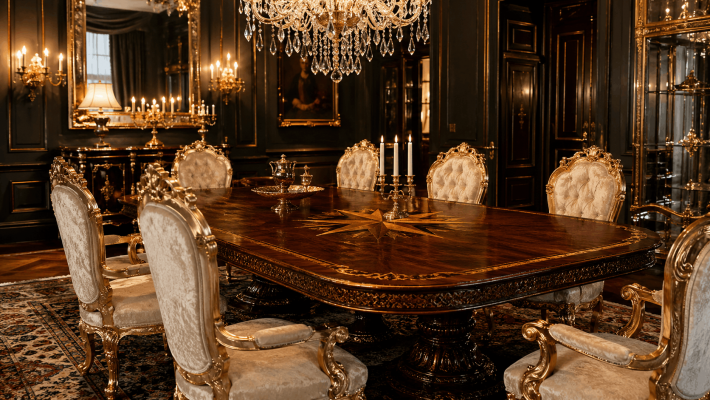
Die 5 Merkmale eines wirklich hochwertigen Luxus-Esstisch-Sets (und wie man sie erkennt)
Veröffentlicht von Luxury Group International Design Team / Luxuriöse Esszimmermöbel / April 27, 2026
Nicht alle Esszimmer-Sets sind gleich geschaffen. Betritt man einen Möbelshowroom, findet man Tische und Stühle in jeder Preisklasse – doch der Unterschied zwischen einem mittelpreisigen Set und einem wirklich hochwertigen Esszimmer-Set geht weit über den Preis hinaus. Er zeigt sich in den Details: der Maserung des Holzes, dem Gewicht des Stuhls, der Präzision der Intarsienarbeit, der Qualität der Polsterung. Genau diese Merkmale trennen Möbel, an denen man sich nach wenigen Jahren sattgesehen hat, von Erbstücken, die ein Esszimmer über Jahrzehnte prägen.Ob Sie nun zum ersten Mal in ein barockes Esszimmer-Set investieren oder von einem Stück aufrüsten, das nicht mehr Ihrem Geschmack entspricht – zu wissen, worauf man achten muss, ist der wichtigste Schritt vor dem Kauf. Hier sind die fünf Kennzeichen eines wirklich hochwertigen Esszimmer-Sets – und wie Sie diese erkennen.
1. Massivholz-Konstruktion – Kein Furnier, kein MDF
Die Grundlage jedes hochwertigen Esszimmer-Sets ist das Material, aus dem es gefertigt ist. Echte Luxusmöbel bestehen durchgehend aus massivem Hartholz – Walnuss, Eiche, Mahagoni oder Buche. Nicht nur eine dünne Schicht attraktiven Holzes, die auf Spanplatte aufgebracht ist, und auch kein MDF, das mit einer täuschend echten Oberfläche versehen wurde. Massivholz.
Warum ist das wichtig? Hartholz ist dicht, langlebig und – entscheidend – reparierbar. Eine oberflächliche Kratzspur auf einem massiven Walnussholztisch kann abgeschliffen und neu lackiert werden. Ein Kratzer durch Furnier legt das darunterliegende Material frei und ist praktisch dauerhaft. Über die zehn, zwanzig oder dreißig Jahre, in denen Sie ein Qualitätsstück besitzen möchten, macht dieser Unterschied einen enormen Unterschied.
Beim Kauf sollten Sie den Händler direkt fragen: Handelt es sich bei diesem Möbelstück durchgehend um Massivholz? Fahren Sie mit der Hand über die Unterseite des Tisches – Massivholz fühlt sich durchgehend gleichmäßig und schwer an. Furnierte Möbelstücke verraten sich oft an Verbindungsstellen und Kanten, wo die Schichtung sichtbar wird. Ein wirklich hochwertiges Set muss seine Konstruktion niemals verbergen.
2. Handgeschnitzte oder handgefertigte Details
Das visuelle Markenzeichen eines hochwertigen Esszimmer-Sets – insbesondere eines barocken Sets – ist seine kunstvolle Handwerkskunst. Aufwendig gestaltete Cabriole-Beine, geschnitzte Zargen, kunstvoll geformte Stuhllehnen und vergoldete Akzente entstehen nicht durch Maschinen mit nennenswerter Qualität. Sie sind das Werk erfahrener Handwerker, die Stunden an einem einzelnen Bauteil verbringen.
Der Unterschied zwischen maschinell geschnitzten und handgeschnitzten Details ist erkennbar, wenn man weiß, worauf man achten muss. Maschinell gefertigte Schnitzereien wirken gleichförmig – jedes Motiv ist perfekt identisch, was paradoxerweise billiger wirkt. Handgefertigte Schnitzereien zeigen subtile Variationen: Die Tiefe einer Verzierung variiert leicht, die Kante eines Blattes ist auf einer Seite minimal ausgeprägter. Diese Unvollkommenheit ist tatsächlich ein Qualitätsmerkmal.
Betrachten Sie die Übergänge zwischen geschnitzten Elementen und dem Hauptkörper des Möbels genau. Bei hochwertigen Stücken sind die Übergänge glatt und harmonisch integriert. Bei minderwertigen Möbeln sieht man oft eine sichtbare Naht oder Lücke, wo dekorative Elemente nachträglich aufgeklebt wurden, anstatt aus der Hauptstruktur heraus geschnitzt zu sein.
3. Marketerie, Intarsienarbeit und Oberflächenkunst
Ein verlässliches Merkmal für ein wirklich hochwertiges Esszimmer-Set ist die Präsenz – und Qualität – von Intarsienarbeiten auf der Oberfläche. Marketerie, die Kunst, dekorative Muster durch das Einsetzen kontrastierender Holzfurnierstücke in eine Basis zu schaffen, ist seit dem 17. Jahrhundert ein Kennzeichen luxuriöser europäischer Möbel. Sie ist äußerst arbeitsintensiv und nahezu unmöglich überzeugend zu fälschen.
Bei einem hochwertigen barocken Esstisch kann Marketerie beispielsweise in Form eines geometrischen Sternmusters in der Tischmitte, eines floralen Rahmens entlang der Tischplatte oder eines komplexen ineinandergreifenden Designs auftreten, das den Blick nach innen lenkt. Die Qualitätsmerkmale, die es zu prüfen gilt, sind die Passgenauigkeit – es sollten keine sichtbaren Lücken zwischen den eingelegten Stücken vorhanden sein –, die gleichmäßige Oberfläche über die gesamte Fläche sowie die Tiefe und Farbintensität der verwendeten kontrastierenden Materialien.
Geometrische Intarsienarbeiten in Walnuss und Salbeigrün oder ein Marketerie-Stern aus dunklem Walnuss und Gold bedeuten beispielsweise Dutzende von Stunden handwerklicher Arbeit. Dabei handelt es sich nicht um dekorative Aufkleber auf einer flachen Oberfläche, sondern um fest in das Möbelstück integrierte Elemente, die so lange halten wie das Möbel selbst.
Wichtige Fragen zur Bewertung von Intarsienarbeiten:
- Sind die eingelegten Stücke bündig mit der umgebenden Oberfläche oder leicht erhöht bzw. vertieft?
- Ist das Muster über die gesamte Tischplatte hinweg konsistent oder verschlechtert es sich zu den Rändern hin?
- Liegt die Deckschicht gleichmäßig sowohl über der Intarsie als auch über dem Grundholz?
- Ist das Muster symmetrisch? Eine von Hand überprüfte Symmetrie zeugt von sorgfältiger Handwerkskunst.
4. Polsterqualität und Stuhlkonstruktion
Die Stühle eines Esszimmer-Sets sind oft der Bereich, in dem Qualitätsunterschiede am unmittelbarsten spürbar sind – buchstäblich. Ein hochwertiger Luxus-Esszimmerstuhl stützt Sie anders als ein Massenprodukt. Die Sitzfläche ist solide, meist aus Hartholz gefertigt und mit traditioneller Feder- oder Gurtunterfederung ausgestattet. Der Schaumstoff oder die Polsterung besitzt eine hohe Dichte und Elastizität. Der Stoff oder das Leder ist straff und gleichmäßig gespannt, ohne Falten an den Nähten oder Bündelungen an den Ecken.
Hochwertige Polstermaterialien machen einen entscheidenden Unterschied in der Langlebigkeit. Performance-Stoffe mit hoher Scheuerbeständigkeit – ein Maß für Abriebfestigkeit – überstehen jahrelangen täglichen Gebrauch ohne Pilling oder Ausbleichen. Vollnarbenleder, falls verwendet, sollte sich robust anfühlen und mit der Zeit eine natürliche Patina entwickeln, anstatt abzublättern oder zu reißen. Bouclé, Samt und gewebte Stoffe, die bei hochwertigen barocken Stühlen zum Einsatz kommen, werden ebenso wegen ihrer Strapazierfähigkeit wie wegen ihrer Ästhetik ausgewählt.
Untersuchen Sie die Unterseite des Stuhlgestells. Luxusstühle verfügen an den Verbindungsstellen über Eckverstärkungen oder stabile Halterungen – strukturelle Elemente, die die Lebensdauer des Möbelstücks deutlich verlängern. Bei günstigen Stühlen fehlen diese oft. Prüfen Sie außerdem, ob die Beine eben sind und der Stuhl auf einer ebenen Fläche ohne Wackeln steht. Selbst kleine Unregelmäßigkeiten deuten auf mangelhafte Qualitätskontrolle hin.
5. Verarbeitungsqualität und Langlebigkeit der Beschichtung
Ein weiteres entscheidendes Merkmal eines hochwertigen Esszimmer-Sets ist die Qualität der Oberflächenveredelung – ein Aspekt, der von Käufern, die sich nur auf das Design konzentrieren, oft übersehen wird. Ein Premium-Möbelstück verfügt über mehrere Schichten Lack, Öl oder spezieller Beschichtung, die jeweils fachgerecht aufgetragen und ausgehärtet werden. Genau das verleiht Luxusmöbeln ihre Farbintensität, ihre Widerstandsfähigkeit gegen Hitze und Feuchtigkeit sowie ihre Pflegeleichtigkeit über viele Jahrzehnte.
Fahren Sie mit der Hand über die Tischoberfläche. Bei einem fachmännisch veredelten Stück sollte die Oberfläche gleichmäßig glatt sein – seidig, aber nicht künstlich oder plastisch wirkend, ohne fühlbare Unterschiede zwischen dem Grundmaterial und eventuell eingelegten Abschnitten. Betrachten Sie den Tisch unter schrägem Licht (über die Oberfläche hinweg). So werden eventuelle Unregelmäßigkeiten in der Beschichtung sichtbar: Pinselstriche, Staubeinschlüsse, Läufer oder ungleichmäßiger Glanz.
Dunkle, polierte Holzoberflächen – wie sie bei barocken Esszimmergarnituren mit ebenholzfarbenen oder tiefdunklen Walnussfurnieren zu finden sind – erfordern besonders geschicktes Auftragen, um eine gleichmäßige Oberfläche über große Flächen zu erzielen. Ein einheitlicher, tiefgründiger Glanz oder ein kontrollierter Satin-Schimmer ohne hellere Stellen an Ecken und Kanten ist ein deutliches Zeichen für eine Beschichtung, die von einem erfahrenen Fachmann ausgeführt wurde.
Investieren Sie in das, was Bestand hat
Ein luxuriöses Esszimmer-Set ist nicht einfach nur ein teures Möbelstück. Es ist eine wohlüberlegte Investition in das Herzstück Ihres Zuhauses – einen Raum, in dem Mahlzeiten geteilt, Gäste empfangen und über Jahre hinweg Erinnerungen geschaffen werden. Die fünf oben genannten Merkmale sind keine willkürlichen Kriterien. Sie sind der sichtbare Beweis für die Zeit, das handwerkliche Können und die Materialqualität, die Möbel, die es wert sind, besessen zu werden, von solchen unterscheiden, die lediglich einen Raum füllen.
Bei Luxury Group International wird jedes barocke Esszimmer-Set in unserer Kollektion so entworfen, dass es all diese Standards erfüllt. Von der massiven Walnuss-Holzkonstruktion und handgefertigten, geschnitzten Rahmen über präzise Intarsienarbeiten, hochwertige Polsterungen bis hin zu mehrstufigen Lackierungen – unsere Sets sind dafür gemacht, gelebt, bewundert und über Generationen weitergegeben zu werden. Entdecken Sie die gesamte Kollektion barocker Esszimmer-Sets und finden Sie heraus, welches Stück in Ihr Esszimmer gehört.
AKTUELLE BEITRÄGE
-
Die Kunst der Gastlichkeit: Wie luxuriöse Bar-Möbel ein stilvolles Interieur verwandeln
September 24, 2026
-
Die neue Kunst der Erholung: Gestaltung eines auf Wellness ausgerichteten Luxus-Schlafzimmers
September 24, 2026
-
Gerahmte Drucke, die mühelose europäische Eleganz in die Wohnungseinrichtung bringen
September 23, 2026
-
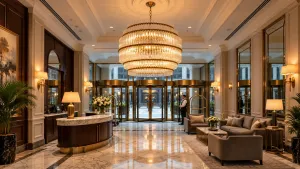
Wie Kristallkronleuchter Licht, Raumhöhe und luxuriöse Innenräume neu gestalten
September 23, 2026
-
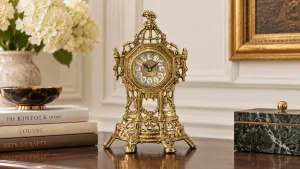
Die Kunst, eine luxuriöse Tischuhr auszuwählen: Ein Leitfaden zu Größe, Stil und Aufstellung
September 21, 2026
-
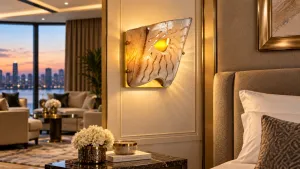
Elegante Wandleuchten: Das Geheimnis für wärmere, charaktervollere Luxus-Innenräume
September 21, 2026
-
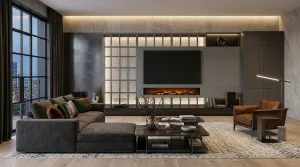
Luxuriöse TV-Möbel mit Wohnzimmermöbeln kombinieren: Schaffen Sie ein einheitliches, elegantes Ambiente in modernen Wohnungen und Hotels
September 20, 2026
-
CEO-Bürogestaltung: Schreibtisch- und Chefsessel-Ideen für ein luxuriöses Firmeninterieur
September 20, 2026
-
So wählen Sie einen Beistelltisch für das Wohnzimmer aus: 5 Gestaltungsregeln | Der Leitfaden zum Goldenen Schnitt
September 19, 2026
-
Warum Boutique-Hotels in klassische Marmorstatuen für Lobbys und Gärten investieren
September 19, 2026