





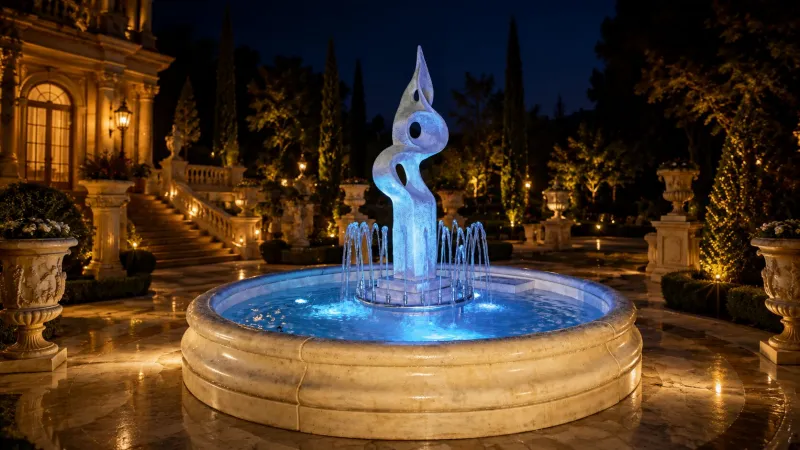
Dalle Corti Reali alle Ville Private: Il Fascino Infinito delle Fontane Barocche
Pubblicato da Luxury Group International Design Team / Decorazioni per il Giardino / July 22, 2026
Un giardino può essere bello senza lasciare il segno. Ma nel momento in cui l’acqua inizia a sgorgare da una conchiglia scolpita, a scorrere su una pietra intagliata o a salire accanto a una figura mitologica drammatica, l’intero paesaggio cambia. Diventa teatrale, storico e profondamente personale.
Questa è la forza duratura della fontana barocca. Un tempo creata per impressionare re, nobili e dignitari in visita, queste elaborate opere d’acqua stanno ora tornando a impreziosire ville europee, hotel di lusso e proprietà private. Il loro ritorno non riguarda solo la decorazione, ma riflette un desiderio crescente di giardini con identità, artigianalità e un senso di permanenza.
Perché le Fontane Barocche Furono Progettate per Impressionare
Il design barocco emerse in Europa nel XVII secolo, quando architettura, scultura e progettazione del paesaggio divennero potenti espressioni di ricchezza e autorità. I giardini dei palazzi non erano più semplici spazi verdi silenziosi, ma esperienze attentamente orchestrate.
Le fontane divennero il fulcro di questo dramma visivo. Bacini curvi, figure muscolose, volute decorative, teste di leone, cherubini e composizioni a più livelli trasformavano l’acqua in movimento in vere e proprie sculture viventi.
A Versailles, le grandi esibizioni d’acqua rafforzavano la magnificenza della corte reale. In tutta Italia, Francia e altre parti d’Europa, la fontana barocca divenne simbolo di ambizione artistica e prestigio sociale. Possedere una fontana antica elaborata significava avere accesso a maestranze qualificate, vaste proprietà terriere e avanzate tecniche di ingegneria idraulica.
Una Breve Cronologia delle Fontane Barocche
1600–1650: Inizi Teatrali
I designer italiani introdussero sculture dinamiche, movimenti drammatici e narrazioni mitologiche nelle piazze pubbliche e nei giardini dei palazzi.
1650–1720: L’Epoca dei Giardini Reali
Le fontane monumentali divennero punti focali nei paesaggi formali europei, in particolare in Francia e in Italia.
1720–1800: Raffinamento Decorativo
Le forme barocche si evolsero in stili più leggeri e rococò, con conchiglie, motivi floreali, cherubini e composizioni di giardini più intime.
1800–1900: Il Grande Rinnovamento
Le dimore storiche e i proprietari benestanti riscoprirono la decorazione dei giardini ispirata al classicismo e al barocco.
Oggi: Il Patrimonio Reinventato
Ville moderne, boutique hotel e paesaggi di lusso adottano fontane scultoree come elementi di grande impatto e fascino senza tempo.
Questo percorso spiega perché la storia delle fontane da giardino barocche continua a influenzare il design contemporaneo degli spazi esterni.
Perché le Fontane Barocche Stanno Tornando di Moda
Il lusso moderno sta diventando sempre più personale. Gli acquirenti si allontanano dagli spazi esterni anonimi e cercano pezzi che comunichino carattere.
Una fontana barocca crea immediatamente un punto focale visivo. Può ancorare un cortile, completare un giardino simmetrico, arricchire l’ingresso di un hotel o portare romanticismo a una terrazza appartata. A differenza delle mode temporanee per il giardino, dà un senso di solidità fin dal momento dell’installazione.
Il suono dell’acqua che scorre ammorbidisce inoltre l’atmosfera. Maschera il rumore del traffico lontano, introduce movimento e invita gli ospiti a rallentare. Questa combinazione di scultura, suono e tradizione rende le fontane di lusso particolarmente affascinanti per le proprietà europee più raffinate.
Come scegliere la fontana giusta per il tuo giardino
La scala deve essere la prima considerazione. Una fontana alta e a più livelli si adatta perfettamente a un prato formale, a un vialetto circolare o a un cortile di un hotel. Una fontana antica da parete funziona magnificamente in patii più piccoli, giardini chiusi e terrazze in stile mediterraneo.
Materiale e finitura sono altrettanto importanti. La pietra invecchiata crea un aspetto autentico e vissuto, mentre le finiture chiare donano eleganza e un tocco architettonico. Dettagli con effetto bronzo possono aggiungere calore e contrasto.
Per una decorazione da giardino equilibrata, posiziona la fontana lungo una linea visiva ben definita. Incorniciala con siepi potate, sentieri in pietra, urne classiche o piantagioni simmetriche. L’illuminazione serale, posta sotto o dietro la fontana, metterà in risalto i dettagli scolpiti e il movimento dell’acqua.
Porta a Casa la Grandezza Storica
Il ritorno delle fontane di lusso dimostra che il design d’epoca può ancora emozionare. Una fontana barocca scelta con cura fa molto più che decorare un paesaggio: dona al giardino una storia, un senso di cerimonia e un’atmosfera che richiama le dimore più ammirate d’Europa.
Acquista lo Stile
Esplora la nostra gamma di fontane barocche e scopri pezzi scultorei pensati per giardini di lusso, ville private, hotel prestigiosi e spazi esterni eleganti.
POST RECENTI
-
L'arte dell'intrattenimento: come gli arredi da bar di lusso trasformano gli interni sofisticati
September 24, 2026
-
La nuova arte del riposo: come allestire una camera da letto di lusso all’insegna del benessere
September 24, 2026
-
Stampe incorniciate che conferiscono un tocco di eleganza europea senza sforzo agli interni degli appartamenti
September 23, 2026
-

Come i lampadari di cristallo trasformano la luce, gli spazi alti e gli interni di lusso
September 23, 2026
-
L'arte di scegliere un orologio da tavolo di lusso: una guida alle dimensioni, allo stile e al posizionamento
September 21, 2026
-
Eleganti lampade da parete: il segreto per interni di lusso più accoglienti e ricchi di carattere
September 21, 2026
-
Abbinare mobili TV di lusso agli arredi del soggiorno: creare un’eleganza armoniosa nelle case moderne e negli hotel
September 20, 2026
-
Design per Ufficio CEO: Idee per Scrivania e Poltrona Esecutiva in un Interno Aziendale di Alta Classe
September 20, 2026
-
Come scegliere un tavolino da salotto: 5 regole di design | La guida alla sezione aurea
September 19, 2026
-
Perché gli Hotel Boutique Investono in Statue Classiche di Marmo per Ingressi e Giardini
September 19, 2026