





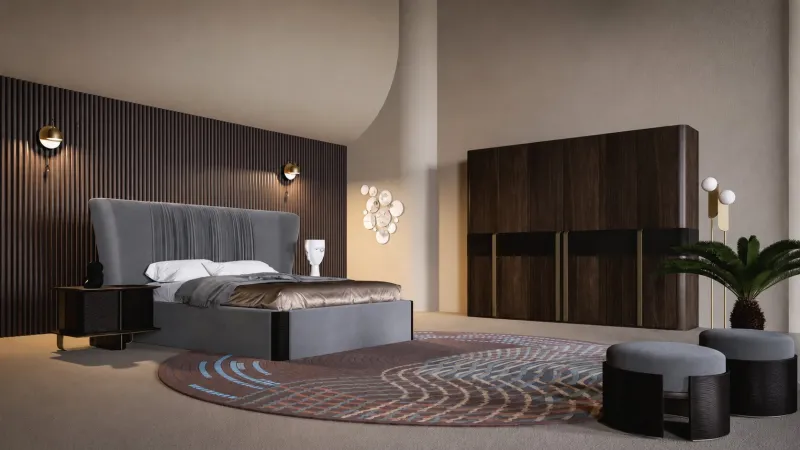
Beautiful for the Feed, But Built to Last? The Real Cost of Instagrammable Hotel Interiors
Posted by Luxury Group International Design Team / Luxury Hotel Interior / August 13, 2026
A hotel lobby can become famous overnight because of one dramatic staircase, sculptural sofa, or perfectly framed corner. But once the camera is gone, a more important question remains: does the space actually work?
The rise of Instagrammable hotels has pushed hospitality design toward increasingly theatrical interiors. Bold colours, oversized installations, statement lighting, and unusual furniture can make a property instantly shareable. Yet when visual impact becomes the only priority, the balance between design vs function can quickly disappear.
For luxury hotels, that trade-off can become expensive.
When Hotel Aesthetics Outrun Comfort
A striking chair may photograph beautifully but become uncomfortable after ten minutes. A sculptural table may look impressive yet offer little usable surface. Highly polished finishes may reflect light perfectly in photographs but show scratches and fingerprints almost immediately.
This is where hotel aesthetics can start working against the guest experience.
Luxury hospitality is built around comfort, convenience, and longevity. If guests struggle to sit comfortably, move through a room, or use the furniture naturally, even the most photographed interior can begin to feel superficial.
The best luxury hotel furniture should therefore support both visual drama and everyday use.
The Hidden Maintenance Problem
Highly stylised interiors can also carry substantial maintenance costs.
Delicate fabrics, unusual finishes, intricate decorative details, and trend-driven materials may require frequent cleaning, repairs, or replacement. In high-traffic hotels, furniture experiences far more wear than it would in a private residence.
A design that looks spectacular on opening day may lose its impact quickly if it was not specified for hospitality use.
For operators, this makes design vs function a commercial decision as much as an aesthetic one.
The Best Spaces Do Both
Fortunately, memorable interiors do not need to sacrifice practicality.
Some of the strongest Instagrammable hotels succeed because their visual identity grows from intelligent design rather than decoration alone. Comfortable seating can still have a sculptural silhouette. Durable stone, quality timber, performance upholstery, and beautifully engineered metalwork can photograph exceptionally well while surviving years of use.
Likewise, carefully positioned lighting, artwork, mirrors, and distinctive luxury hotel furniture can create compelling photo moments without disrupting circulation or comfort.
The difference is intention.
Instead of asking, “Will guests photograph this?”, designers can ask, “Will guests want to spend time here—and then photograph it?”
Trends Fade Faster Than Furniture
Another challenge with highly visual hotel aesthetics is trend fatigue.
An interior designed around a short-lived social media style may appear dated within only a few years. Luxury properties investing heavily in renovations need furniture and materials capable of maintaining relevance beyond the next trend cycle.
Timeless proportions, quality craftsmanship, adaptable colour palettes, and distinctive but functional luxury hotel furniture can provide longevity while still giving a property its own personality.
Shareable Should Also Mean Stayable
Social media has undeniably changed hospitality design. A memorable visual identity can generate attention, bookings, and valuable organic exposure.
But the true success of Instagrammable hotels should not be measured only in photographs. It should be measured in how guests feel after spending hours—or days—inside them.
The strongest luxury interiors achieve both: they photograph beautifully and function effortlessly.
So perhaps the most important design question is not whether a hotel is Instagrammable.
What makes a space worth sharing versus worth staying in?
RECENT POSTS
-
The Art of Sitting Beautifully: Upholstered Bench Designs Where Comfort Meets Craftsmanship
October 08, 2026
-
Modern Luxury Lighting Trends That Are Quietly Transforming Elegant Interiors
October 08, 2026
-
The Quiet Power of Luxury Statues: Sculptural Accents for Opulent Interiors
October 07, 2026
-
The Art of Calm: Why Elegant Bedroom Furniture Never Feels Overwhelming
October 07, 2026
-
Royal Dressing Tables: The Elegant Centrepiece of a Sophisticated Bedroom
October 06, 2026
-
The Perfect Glow: How Luxury Dining Chandeliers Transform Formal Dining Spaces
October 06, 2026
-
When Lighting Becomes Art: Luxury Chandelier Designs That Define Grand Interiors
October 05, 2026
-
The Art of Entertaining: Luxury Bar Cabinets That Turn Home Lounges Into Statement Spaces
October 05, 2026
-
The Quiet Luxury Bathroom: Why Hidden Bathtubs Are Defining 2026
October 04, 2026
-
The Timeless Allure of Round Marble Coffee Tables in Luxury Interiors
October 04, 2026