





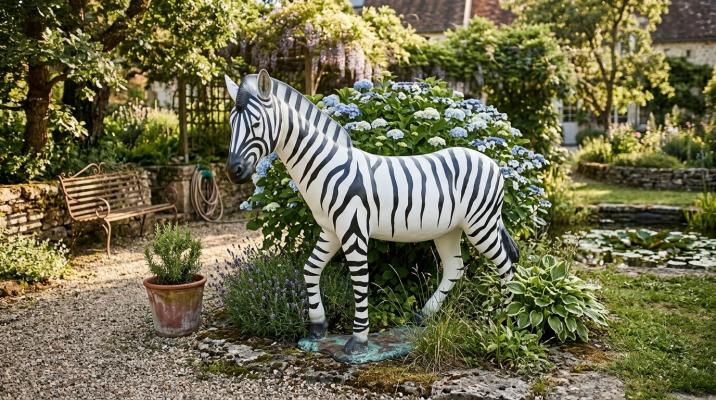
Beyond the Lawn: Why Large Garden Sculptures are the New Luxury Anchor for European Homes
Posted by Luxury Group International Design Team / Luxury Sculptures / April 09, 2026
The concept of the European garden is undergoing a profound and highly visible transformation. For decades, the pinnacle of outdoor luxury was defined by manicured lawns, precise topiary, and perhaps a subtle, traditional water feature. Today, a walk through the private grounds of modern homes in Surrey, the coastal villas of the Mediterranean, or the sleek architectural builds of Scandinavia reveals a striking new focal point. The garden has become an open-air gallery, and large garden sculptures are the undisputed centerpieces.As we move deeper into 2026, the demand for monumental outdoor art has surged. But this is not simply about placing a decorative statue on a lawn to fill empty space. The current trend represents a sophisticated cultural shift: a desire to merge raw nature with bold human architectural expression. Let’s explore why designer sculptures are redefining the boundaries of contemporary outdoor living, and how landscape architects are using them to create profound visual tension.
The Cultural Insight: Monumental Art as the New Anchor
Why are European homeowners suddenly scaling up their outdoor art, opting for pieces that weigh hundreds of kilograms and stand several meters tall? The answer lies in a broader cultural desire for permanence.In an era dominated by digital fleetingness and rapidly changing interior micro-trends, the garden remains a sanctuary of slow time. Investing in luxury sculptures cast in bronze, carved from monolithic stone, or forged in heavy steel is an investment in legacy. A towering geometric structure does not just decorate a space; it anchors it. It withstands the harsh, damp winters of Northern Europe and the intense UV rays of the Spanish sun, aging and evolving alongside the property itself.
Furthermore, as European outdoor spaces evolve into multi-zoned "outdoor rooms" designed for year-round living, an oversized sculpture acts as the visual gravity that pulls these sprawling zones together. It provides a definitive destination within the landscape, encouraging a physical journey through the garden rather than just offering a pleasant view from the living room window.
Architectural Synergy: How Art Speaks to the Landscape
The brilliance of this modern trend lies in how modern garden sculptures are being curated to converse directly with the property's architecture. It is never a random placement; it is a carefully calculated dialogue between the built environment and the natural landscape.Here is how designers are successfully integrating designer garden sculptures in European homes with current architectural and landscaping movements:
1. The Modernist Concrete Villa (Scandinavia & Germany)
The architectural trend here heavily favors stark, minimalist forms, raw concrete, and expansive glass facades. To complement this, landscape designers are utilizing mirror-polished, marine-grade stainless steel.
- The Visual Impact: Large reflective spheres, floating discs, or abstract toruses act as "liquid mirrors." They reflect the sky, the weather, and the surrounding greenery, effectively softening the rigid, brutalist lines of the house. As the sun moves, the sculpture changes, adding a dynamic, kinetic element to a static environment.
2. The Naturalistic "Wild" Garden (UK & The Netherlands)
Pioneered by European designers like Piet Oudolf, the "New Perennial" movement embraces wild, meadow-like planting that looks beautiful and structural even as it decays in the winter months.- The Visual Impact: In these soft, intentionally chaotic landscapes, stark geometric forms provide much-needed structural relief. A towering obelisk or a massive, rusted steel cube emerging from a sea of soft, swaying grasses creates a breathtaking contrast. The organic shapes of the plants balance the hard industrialism of the art.
3. The Restored Classical Estate (France & Italy)
For heritage homes featuring formal parterres (highly structured, symmetrical gardens with clipped hedges), the reigning trend is all about disruption. Instead of traditional classical figures or urns, contemporary owners are choosing bold, abstract forms.
- The Visual Impact: Placing a highly modern, twisted metal ribbon sculpture or a brightly painted monolithic form at the center of a centuries-old gravel courtyard creates an exhilarating tension between the past and the future. It signals that the estate is alive, culturally relevant, and evolving, rather than existing as a frozen museum piece.
The Materiality of Luxury: Built for the Elements
When dealing with monumental outdoor art, materiality is just as important as the form itself. The diverse European climate—ranging from the freezing rain of the Scottish Highlands to the arid, salty heat of the Amalfi Coast—demands absolute resilience. The top materials dominating the luxury market include:- Corten (Weathering) Steel: The undisputed favorite of the decade. Corten develops a self-protecting rust layer that glows with a rich, earthy orange-brown warmth. It feels inherently organic and looks spectacular against the green backdrop of a lush garden.
- Contemporary Bronze: Moving away from the traditional, bright verdigris (green) patinas of the past, contemporary bronze is often finished in deep, near-black tones. It offers immense visual weight, classical luxury, and an imposing silhouette against a twilight sky.
- Marine-Grade Stainless Steel: Essential for coastal properties facing corrosive salt spray, this material brings a sleek, futuristic brightness that refuses to tarnish, ensuring the sculpture remains pristine for decades.
Siting the Sculpture: The Art of Landscape Curation
Acquiring a magnificent piece of art is only half the process; siting it is where the true magic happens. Landscape architects employ several psychological and visual strategies to maximize the impact of large garden sculptures:- The Conceal and Reveal: Rather than placing the sculpture dead center on a flat lawn, designers hide it behind a gentle curve in a pathway or nestled within a grove of mature trees. This transforms the garden into an exploratory experience, rewarding the viewer as they move through the space.
- Framing the View: Hollow, open-framework, or circular sculptures are specifically placed to frame a distant landscape—be it a rolling hill, a serene lake, or even a specific architectural feature of the home itself. The sculpture acts as a lens for the landscape.
- The Nocturnal Landscape: Monumental art requires monumental lighting. The trend is firmly moving away from harsh, stadium-style spotlights. Instead, designers use soft, ambient up-lighting buried in the surrounding foliage to cast dramatic, elongated shadows across the lawn, extending the sculpture's imposing presence well into the night.
Conclusion
The rise of large garden sculptures is a profound testament to the evolving sophistication of European homeowners. The yard is no longer viewed merely as a boundary of grass to be maintained; it is a massive, three-dimensional canvas waiting to be curated.
By integrating monumental art with bold landscaping and deliberate architectural intent, homeowners are transforming their outdoor spaces into deeply personal, enduring landmarks. Whether it is catching the morning frost in a quiet Yorkshire garden or reflecting the evening sunset on a bustling Spanish terrace, these colossal works of art remind us that true luxury is found in the precise intersection of human creativity and the natural world.
RECENT POSTS
-
Side Table Height Guide: What Should Sit Next to a Sofa or Armchair?
October 21, 2026
-
Formal Dining Room Case Study: Seating 10 Without Overcrowding
October 21, 2026
-

What Size Dresser Fits Your Bedroom? A Simple Measurement Guide
October 20, 2026
-

Swivel vs Fixed Bar Stools: Which Is Better for Everyday Use?
October 20, 2026
-

How to Protect Luxury Outdoor Furniture Through Winter: A Complete Care Guide
October 19, 2026
-
How Luxury Furniture Delivery Works Across Europe: A Complete Shipping Guide
October 19, 2026
-
How to Clean and Protect a Marble-Top Table: A Complete Care Guide
October 18, 2026
-
How to Clean a Crystal Chandelier Without Damaging the Finish
October 18, 2026
-
Dining Table Size Guide: How Many Chairs Fit Without Feeling Cramped?
October 17, 2026
-
Round vs Square Coffee Tables for Family Living Rooms: Which Shape Works Best?
October 17, 2026