





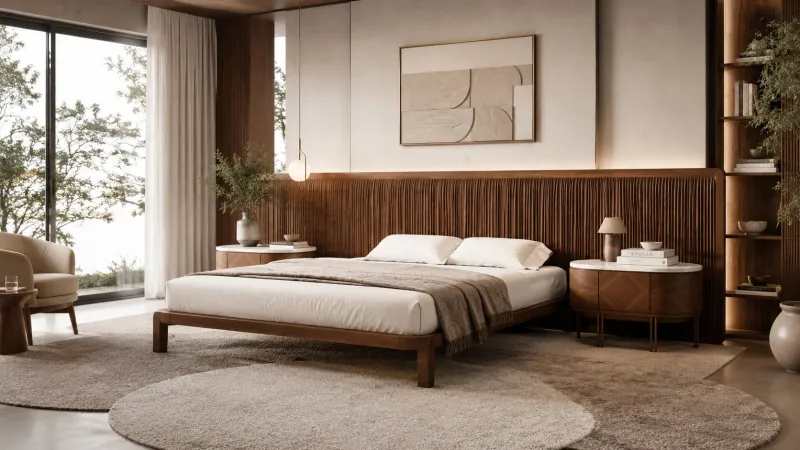
Old Walls, New Stories: How Contemporary Furniture Revives Heritage Hotels
Posted by Luxury Group International Design Team / Luxury Hotel Interior / August 18, 2026
A centuries-old building carries something no newly built hotel can manufacture: memory. Stone staircases worn smooth by generations, vaulted ceilings, timber beams, carved doors, and grand windows all create a sense of place before a guest even checks in. Yet transforming these buildings into modern hospitality spaces requires more than preservation. The success of adaptive reuse depends on creating comfort, accessibility, safety, and operational efficiency without erasing the character that made the property special in the first place.
For European heritage hotels, this is where thoughtful contemporary furniture becomes essential. The right pieces do not compete with historic architecture. They allow it to breathe.
Why Adaptive Reuse Works So Well for Luxury Hospitality
Across Europe, former palaces, monasteries, banks, railway buildings, warehouses, and private estates are increasingly being reconsidered as hotels. Their dramatic proportions and historic details make them naturally suited to high-end hospitality, but they also present design challenges.
An adaptive reuse project may involve irregular room dimensions, protected walls, original fireplaces, unusual ceiling heights, and circulation patterns that cannot simply be redesigned from scratch.
Instead of forcing a standard hotel layout into the building, designers must work around what already exists. This creates opportunities for bespoke Luxury Hotel furniture that responds directly to each room.
A custom bed may be designed around an original alcove. A console may follow the curve of a stone wall. A contemporary sofa can sit beneath historic mouldings without visually overpowering them.
Contemporary Furniture Should Respect the Architecture
The strongest heritage hotels often use contrast rather than imitation.
Trying to reproduce antique furniture throughout an old building can make the interior feel theatrical. Carefully selected contemporary furniture, however, can emphasise original architecture by creating visual clarity between past and present.
A minimalist luxury dining table beneath a frescoed ceiling, for example, allows both elements to feel important. Modern lounge chairs positioned against weathered stone walls can highlight the texture of the building rather than competing with it.
This approach also works beautifully in private residences and Luxury Home Furnitures projects where homeowners want to retain historic character while introducing modern comfort.
Custom Furniture Solves Difficult Historic Spaces
Standard furniture dimensions are not always suitable for heritage buildings. Bespoke pieces can help designers preserve original volumes while making rooms practical.
In a former monastery, narrow rooms might require integrated storage rather than freestanding wardrobes. A converted palace may demand unusually long consoles to suit grand corridors. Historic townhouses can benefit from compact seating and flexible tables that respect smaller proportions.
Custom premium furnitures also allow modern requirements to be integrated discreetly. Charging points, lighting controls, minibar storage, ventilation access, and cable management can all be concealed within furniture.
The result feels elegant to the guest while still supporting daily hotel operations.
Heritage Character Must Meet Modern Comfort
Guests may choose a Luxury Hotel because of its history, but they still expect excellent beds, supportive seating, effective lighting, accessible bathrooms, and convenient technology.
This is where modern furniture specification becomes especially important. Upholstery can provide contemporary comfort while using colours inspired by original interiors. Modern dining chairs can reference historic silhouettes without sacrificing ergonomics.
Thoughtful luxury home decors, artwork, lighting, and decorative ideas can then connect old and new through texture, colour, and material rather than literal imitation.
Lessons from Successful Adaptive Projects
The best adaptive hospitality projects tend to follow one principle: preserve what gives the building identity, and modernise what improves the guest experience.
Original staircases, stone walls, beams, decorative plasterwork, and historic windows can remain the visual stars. Meanwhile, contemporary furniture introduces comfort and functionality in a way that can be changed or replaced without permanently altering the architecture.
That reversibility is particularly valuable in heritage conservation because the building remains protected even as hospitality expectations evolve.
What Forgotten Building Would You Transform?
The next extraordinary European heritage hotel may already exist—it could be an abandoned manor, an old civic building, a forgotten railway station, or a historic villa waiting for a new purpose.
With intelligent adaptive reuse, custom Luxury Hotel furniture, and carefully curated modern interiors, these buildings can begin a new chapter without losing their past.
Which underused heritage building in your city would you love to see transformed into a luxury hotel? Sometimes the most exciting future interiors begin with architecture that has already survived for centuries.
RECENT POSTS
-
The Art of Sitting Beautifully: Upholstered Bench Designs Where Comfort Meets Craftsmanship
October 08, 2026
-
Modern Luxury Lighting Trends That Are Quietly Transforming Elegant Interiors
October 08, 2026
-
The Quiet Power of Luxury Statues: Sculptural Accents for Opulent Interiors
October 07, 2026
-
The Art of Calm: Why Elegant Bedroom Furniture Never Feels Overwhelming
October 07, 2026
-
Royal Dressing Tables: The Elegant Centrepiece of a Sophisticated Bedroom
October 06, 2026
-
The Perfect Glow: How Luxury Dining Chandeliers Transform Formal Dining Spaces
October 06, 2026
-
When Lighting Becomes Art: Luxury Chandelier Designs That Define Grand Interiors
October 05, 2026
-
The Art of Entertaining: Luxury Bar Cabinets That Turn Home Lounges Into Statement Spaces
October 05, 2026
-
The Quiet Luxury Bathroom: Why Hidden Bathtubs Are Defining 2026
October 04, 2026
-
The Timeless Allure of Round Marble Coffee Tables in Luxury Interiors
October 04, 2026