





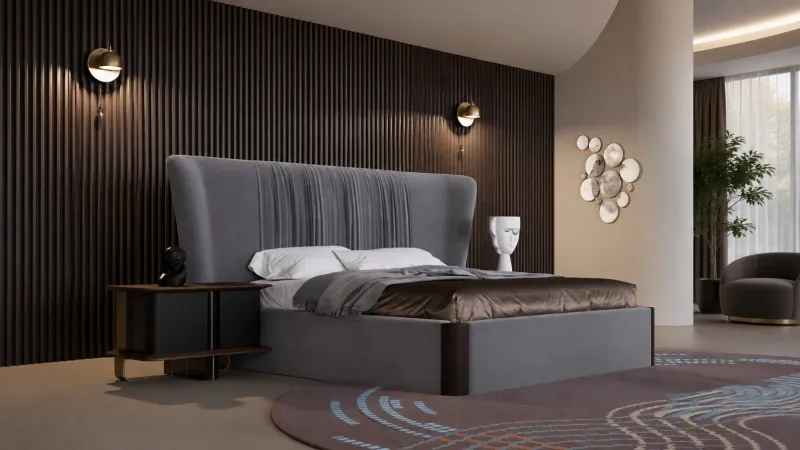
Sustainable Luxury That Lasts: Materials Built for High-Traffic Hotel Interiors
Posted by Luxury Group International Design Team / Luxury Hotel Interior / August 14, 2026
Luxury hospitality is entering a new era where beauty alone is no longer enough. Guests expect elegant interiors, but they also increasingly value responsible choices. At the same time, hotel operators need furniture and finishes that can withstand constant use, frequent cleaning, luggage impact, spills, and years of daily service. This is where sustainable materials must prove more than their environmental credentials—they must perform.
For premium European hotels, private residences, and sophisticated hospitality projects, the future of luxury hotel furniture lies in combining responsible sourcing with long-term durability.
Why Performance Still Comes First
Sustainability has become an important part of modern specification, but hotels cannot afford to choose materials that deteriorate quickly.
High-traffic environments place enormous pressure on furniture. Chairs are moved repeatedly, tables face continuous contact, headboards are touched daily, and upholstery is cleaned far more often than in private homes.
This is why durable design matters just as much as appearance. A material that looks beautiful at installation but requires early replacement can undermine both sustainability goals and operational efficiency.
The strongest luxury hotel furnitures are therefore designed around longevity, maintenance, and repairability from the beginning.
Responsibly Sourced Wood with Commercial Strength
Wood remains one of the most desirable sustainable materials for luxury interiors because of its warmth, character, and timeless appeal.
Responsibly sourced hardwoods and engineered wood products can offer excellent strength while reducing unnecessary material use. Oak, walnut, ash, and similar finishes can work beautifully across beds, tables, wardrobes, consoles, and cabinetry.
For hotel applications, protective coatings and carefully sealed surfaces are essential. These help resist scratches, moisture, and repeated cleaning while preserving the natural appearance of the material.
When selected correctly, wood can make luxury hotel furniture feel authentic and sophisticated without sacrificing performance.
Recycled Metals for Refined Detailing
Recycled aluminium, steel, and brass are increasingly used in premium furniture frames, handles, trims, and decorative structures.
Metal is particularly valuable in durable design because it provides structural strength while maintaining a slim, elegant profile. It can support tables, chairs, shelving, lighting, and architectural furniture systems without feeling visually heavy.
Brushed, powder-coated, or textured finishes can also help minimise visible wear in high-contact areas.
For contemporary luxury hotel furnitures, recycled metal offers a strong balance between environmental responsibility and refined aesthetics.
Performance Fabrics Are Changing Sustainable Upholstery
Soft furnishings often face the greatest wear in hospitality environments. Upholstery must resist staining, fading, abrasion, and frequent cleaning while still feeling luxurious.
Modern performance textiles increasingly incorporate recycled fibres or lower-impact manufacturing processes without compromising comfort. These materials are particularly useful for sofas, lounge chairs, headboards, benches, and dining seating.
The best options combine tactile richness with commercial durability, allowing designers to create welcoming interiors without selecting delicate fabrics that may require frequent replacement.
This approach demonstrates how sustainable materials can actively support long-term performance.
Stone, Composite Surfaces, and Smarter Specifications
Natural stone remains highly desirable in luxury hotels, but thoughtful specification is essential. Durable stones with sealed surfaces can perform well in high-use areas such as tables, vanities, consoles, and reception furniture.
Engineered and recycled composite surfaces can also offer consistency, stain resistance, and lower maintenance requirements.
Rather than selecting finishes purely for visual impact, designers should consider where each material will be used and how often it will be touched, cleaned, or exposed to moisture.
This performance-led approach is central to durable design.
RECENT POSTS
-
The Art of Sitting Beautifully: Upholstered Bench Designs Where Comfort Meets Craftsmanship
October 08, 2026
-
Modern Luxury Lighting Trends That Are Quietly Transforming Elegant Interiors
October 08, 2026
-
The Quiet Power of Luxury Statues: Sculptural Accents for Opulent Interiors
October 07, 2026
-
The Art of Calm: Why Elegant Bedroom Furniture Never Feels Overwhelming
October 07, 2026
-
Royal Dressing Tables: The Elegant Centrepiece of a Sophisticated Bedroom
October 06, 2026
-
The Perfect Glow: How Luxury Dining Chandeliers Transform Formal Dining Spaces
October 06, 2026
-
When Lighting Becomes Art: Luxury Chandelier Designs That Define Grand Interiors
October 05, 2026
-
The Art of Entertaining: Luxury Bar Cabinets That Turn Home Lounges Into Statement Spaces
October 05, 2026
-

The Quiet Luxury Bathroom: Why Hidden Bathtubs Are Defining 2026
October 04, 2026
-
The Timeless Allure of Round Marble Coffee Tables in Luxury Interiors
October 04, 2026