





The Buyer’s Guide to Baroque Display Cabinets: What to Look For Before You Buy
Posted by Luxury Group International Design Team / Living Room Furniture / March 23, 2026
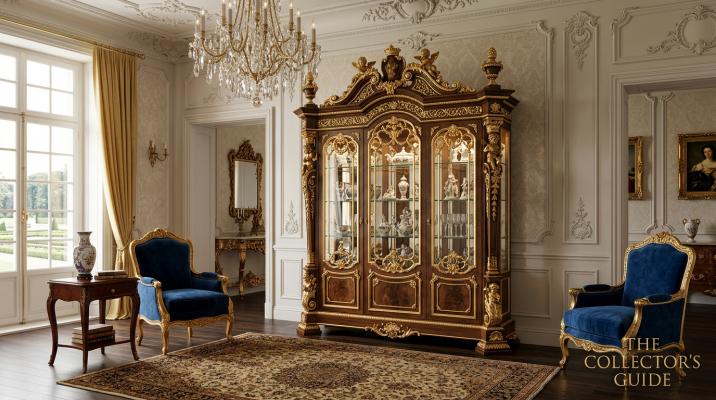
In the world of high-end interior design, few pieces command a room quite like a baroque display cabinet. Born from the 17th-century Italian movement that prioritized drama, exuberance, and grandeur, these pieces are more than just storage; they are functional sculptures. Whether you are a boutique hotelier in Paris looking to anchor a lobby or a homeowner curating a private collection, choosing the right piece requires a discerning eye for detail and an understanding of historical craftsmanship.Buying a luxury display cabinet in the Baroque style is an investment in heritage. This guide breaks down everything you need to evaluate—from the authenticity of the gilding to the structural integrity of the timber—to ensure your selection stands the test of time.
1. Materials: The Foundation of Grandeur
When evaluating a baroque display cabinet, the quality of the raw materials is the first indicator of its value. Mass-produced imitations often use MDF or resin, but a true luxury piece relies on solid, "noble" materials.
Ornate Cabinet Wood
Authentic Baroque furniture traditionally uses dense hardwoods that allow for intricate carving without splintering.- Walnut & Oak: Historically favored for their strength and rich grain.
- Mahogany: Often used in later interpretations for its deep luster and durability.
- Beechwood: Frequently used for frames that will be entirely gilded or lacquered, as it provides a smooth, stable surface for finishes.
Glass and Shelving
A luxury display cabinet should feature tempered, high-clarity glass. In premium European models, you might find beveled edges or even hand-blown glass panes that add a subtle, historical ripple effect. Ensure the shelves are thick enough (typically 8mm to 10mm) to support heavy crystal or bronze sculptures.
2. The Art of the Finish: Gold Leaf vs. Paint
The finish defines the "soul" of the cabinet. In Baroque design, the interplay of light and shadow is paramount.
Gilded Cabinet Buying Tips
True luxury is found in gold leaf (24k or 22k). This involves a painstaking process where thin sheets of gold are applied by hand over a "bole" (a layer of colored clay).
- How to tell: Look for slight overlaps in the gold sheets; this "seaming" is a hallmark of hand-application.
- Avoid: "Gold spray" or metallic paint, which lacks the depth, vibration, and longevity of real leafing.
Lacquer and Color Palettes
While gold is classic, modern luxury buyers often seek:
- Piano Black & Gold: For a bold, theatrical contrast.
- Antique White & Silver: Popular in "Coastal Baroque" or Rococo-leaning interiors.
- Polychrome: Hand-painted floral motifs that reflect the opulence of 18th-century palazzos.
3. Structural Checklist: What to Inspect
Before finalizing your purchase of a baroque display cabinet, use this technical checklist to ensure the piece is built to professional standards.
| Feature | What to Look For | Red Flags |
| Carvings | Deep, crisp undercuts in the wood. Symmetrical acanthus leaves. | "Mushy" or rounded edges (indicates molded resin). |
| Joinery | Dovetail joints in drawers; mortise and tenon in the frame. | Visible staples, glue drips, or Phillips-head screws. |
| Hardware | Solid brass or bronze handles with "lost wax" casting detail. | Lightweight plastic or thin stamped metal. |
| Backing | Mirrored backs should be high-silver content for a deep reflection. | Thin plywood or cardboard backing. |
4. Size and Scale: A Guide by Room
A baroque display cabinet is a "hero" piece. It needs breathing room to be effective.
- The Grand Foyer: Opt for a tall, single-door vitrine. Its verticality draws the eye upward, emphasizing high ceilings.
- The Dining Room: A wide, four-door luxury display cabinet works best here. It should be proportional to your dining table—ideally slightly narrower than the table’s length to avoid crowding the walls.
- The Hotel Suite: For hospitality settings, smaller "half-height" cabinets offer a touch of luxury without obstructing the guest’s view or flow of movement.
5. Price Ranges: Understanding the Investment
The market for the best baroque cabinet varies based on provenance and craftsmanship.
- €3,000 – €7,000: High-quality reproductions. Usually machine-carved but hand-finished with real gold leaf.
- €8,000 – €20,000: Artisan-made pieces from specialized European workshops (Italy, Spain, or Portugal). Expect full hand-carving and premium solid woods.
- €25,000+: Bespoke commissions or authenticated antiques. These pieces often feature rare inlays (marquetry), semi-precious stone accents, or historical provenance.
FAQ: Frequently Asked Questions
What is the difference between Baroque and Rococo cabinets?
Baroque is more symmetrical, heavy, and "serious," often utilizing dark woods and deep golds. Rococo is a later offshoot that is lighter, more asymmetrical, and favors pastels and whimsical motifs like shells and flowers.How do I maintain a gilded baroque display cabinet?
Never use chemical cleaners. Use a soft, dry ostrich feather duster or a microfiber cloth. If the gold leaf is "water-gilded," moisture can actually dissolve the glue, so keep the piece in a climate-controlled environment.
Are these cabinets suitable for modern minimalist homes?
Absolutely. Designers often use a baroque display cabinet as a "statement piece" in a minimalist room. The contrast between clean, white walls and an ornate, gilded cabinet creates a sophisticated, gallery-like aesthetic.
Conclusion
Finding the best baroque cabinet is a journey of appreciation for old-world artistry. By focusing on the quality of the ornate cabinet wood, the authenticity of the gilding, and the precision of the carvings, you ensure that your purchase is not just furniture, but a legacy piece that will appreciate in both sentimental and financial value.When you are ready to buy, remember that the weight of the piece and the depth of its carvings are your truest indicators of quality. A baroque display cabinet should feel as substantial as the history it represents.
RECENT POSTS
-
The Art of Hospitality on Wheels: How Luxury Trolleys Elevate Boutique Hotel Experiences
September 25, 2026
-
The Art of Grandeur: How Baroque Coffee Tables Transform Luxury Living Spaces
September 25, 2026
-
The Art of Entertaining: How Luxury Bar Furniture Transforms Sophisticated Interiors
September 24, 2026
-
The New Art of Rest: Curating a Wellness-Focused Luxury Bedroom
September 24, 2026
-
Framed Prints That Bring Effortless European Elegance to Apartment Interiors
September 23, 2026
-
How Crystal Chandelier Lighting Transforms Light, Height and Luxury Interiors
September 23, 2026
-
Sculptural Illumination: How Contemporary Floor Lamps Are Becoming Modern Art Statements
September 22, 2026
-
The Art of Choosing a Luxury Table Clock: A Guide to Size, Style & Placement
September 21, 2026
-
Elegant Wall Lamps: The Secret to Warmer, More Characterful Luxury Interiors
September 21, 2026
-
Pairing Luxury TV Units with Living Room Furniture: Create Cohesive Elegance in Modern Homes & Hotel
September 20, 2026