





The Hidden Language of Luxury: How Hotel Lighting Shapes the Guest Experience
Posted by Luxury Group International Design Team / Luxury Hotel Interior / August 12, 2026
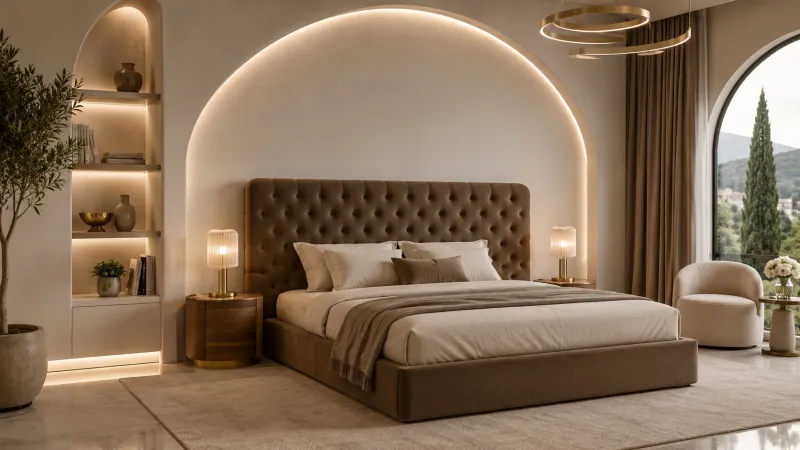
Guests may notice a marble reception desk, an elegant suite, or beautifully curated luxury hotel furniture, but lighting often determines how those features actually feel. The most successful hotel lighting design does more than illuminate a room—it influences mood, comfort, orientation, and even the perception of luxury.
For five-star properties across Europe, thoughtful layered lighting can transform the same interior from flat and functional into warm, intimate, and memorable.
Ambient Lighting Sets the Emotional Tone
Ambient lighting forms the foundation of a room. It creates the overall level of brightness and establishes the first impression.
In refined hotel interiors, soft ceiling illumination, concealed LED strips, wall washers, and decorative chandeliers can create an inviting atmosphere without overwhelming guests.
Too much brightness may make a luxury suite feel clinical. Too little can make navigation uncomfortable. Balanced hotel lighting design creates visual calm while allowing furniture, artwork, and architectural details to remain clearly visible.
Task Lighting Makes Luxury Practical
Beautiful interiors still need to function effortlessly.
Bedside lamps, reading lights, illuminated mirrors, desk lamps, and wardrobe lighting are essential components of layered lighting. They allow guests to read, work, dress, or prepare for the evening without relying on a single overhead source.
This is particularly important when integrating luxury hotel furniture. A beautifully designed desk, vanity, or bedside table becomes more useful when supported by properly positioned task lighting.
Comfort and convenience are key parts of the overall guest experience.
Accent Lighting Creates Drama
Accent lighting is where hotel interiors begin to feel truly theatrical.
Spotlights can highlight artwork, decorative wall finishes, sculptures, headboards, or architectural features. Integrated lighting beneath shelving or furniture can also create depth and visual interest.
Imagine the same hotel lobby under one bright ceiling light versus carefully placed pools of warm illumination. The furniture has not changed, but the perception of refinement certainly has.
This ability to guide attention makes accent lighting one of the most powerful elements in luxury hotel lighting design.
Circadian Lighting Supports Wellbeing
Lighting can also change throughout the day.
Brighter, cooler illumination in the morning can create an energising atmosphere, while warmer evening tones encourage relaxation. This circadian approach is increasingly relevant to luxury hospitality because sleep quality and wellbeing directly influence the guest experience.
Smart lighting controls can help guestrooms transition naturally from daytime functionality to evening comfort.
A Simple Lighting Audit
Property owners and homeowners can quickly evaluate their own spaces by asking a few questions.
Is there more than one light source in each important area? Can guests comfortably read beside the bed? Are artwork and premium luxury hotel furniture properly highlighted? Does evening lighting feel softer than daytime illumination?
If the answer is no, additional layered lighting may dramatically improve the atmosphere.
Luxury Is Not Only What Guests See
The psychology of lighting proves that premium design is about perception as much as decoration.
Great hotel interiors combine ambient, task, accent, and circadian strategies to create spaces that feel safe, comfortable, and emotionally engaging.
RECENT POSTS
-
The Art of Sitting Beautifully: Upholstered Bench Designs Where Comfort Meets Craftsmanship
October 08, 2026
-
Modern Luxury Lighting Trends That Are Quietly Transforming Elegant Interiors
October 08, 2026
-

The Quiet Power of Luxury Statues: Sculptural Accents for Opulent Interiors
October 07, 2026
-
The Art of Calm: Why Elegant Bedroom Furniture Never Feels Overwhelming
October 07, 2026
-
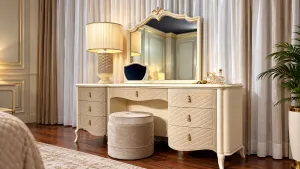
Royal Dressing Tables: The Elegant Centrepiece of a Sophisticated Bedroom
October 06, 2026
-
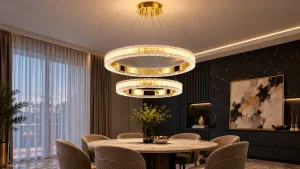
The Perfect Glow: How Luxury Dining Chandeliers Transform Formal Dining Spaces
October 06, 2026
-
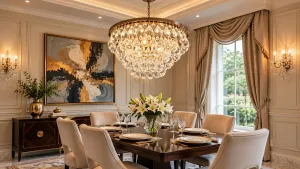
When Lighting Becomes Art: Luxury Chandelier Designs That Define Grand Interiors
October 05, 2026
-
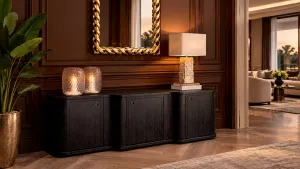
The Art of Entertaining: Luxury Bar Cabinets That Turn Home Lounges Into Statement Spaces
October 05, 2026
-
The Quiet Luxury Bathroom: Why Hidden Bathtubs Are Defining 2026
October 04, 2026
-
The Timeless Allure of Round Marble Coffee Tables in Luxury Interiors
October 04, 2026