





Bedroom Nightstands: Small Furniture, Big Impact on Sleep Comfort
Posted by Luxury Group International Design Team / Luxury Bedroom Furniture / March 26, 2026
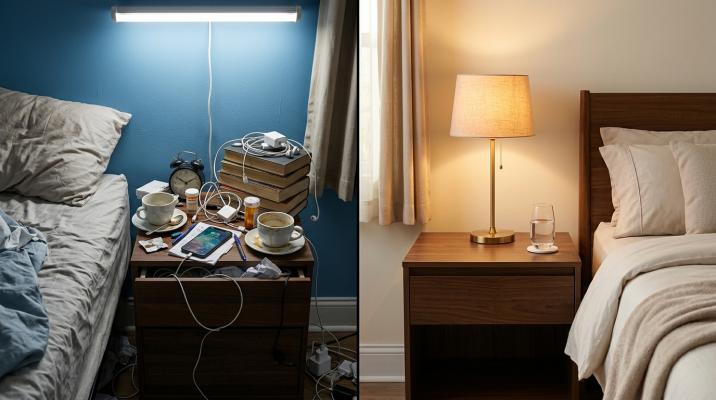
You spend a third of your life in bed. But you spend the hour before bed beside it.That small square of furniture next to your pillow? It's either a launchpad for deep sleep or a chaos magnet that hijacks your nervous system. Bedroom nightstands matter more than their size suggests.
Here's how to choose and style modern nightstands that actively support better rest—plus why luxury designers now treat them as sleep technology, not afterthoughts.
The Psychology of Bedside Clutter
Your brain processes visual disorder as unfinished tasks. Each item on a crowded luxury nightstand—unread books, charging cables, yesterday's coffee cup—triggers micro-stress responses. Cortisol rises. Relaxation delays.
Sleep medicine research confirms: clutter-free bedrooms correlate with faster sleep onset and fewer nighttime awakenings. The bedroom nightstands for sleep comfort movement prioritizes this single principle: what you see last matters.
The 30-second rule: If you can't restore order to your bedside in half a minute, your furniture is working against you.
Design Features That Actually Improve Sleep
Not all modern nightstands support wellbeing. Prioritize these elements:
| Feature | Sleep Benefit | What to Avoid |
| Concealed storage | Hides visual clutter | Open shelving that displays chaos |
| Soft-close drawers | Silent operation, no jarring sounds | Loud slamming mechanisms |
| Rounded edges | Subconscious safety, reduced anxiety | Sharp corners that signal alertness |
| Integrated cable management | Eliminates electronic tangle stress | Visible cords and multiple adapters |
| Appropriate height | Neutral spine position for reaching | Too low (bending strain) or too high (shoulder tension) |
The ideal luxury nightstand surface holds three items maximum: lamp, water, and one personal object. Everything else disappears into dedicated compartments.
The Routine Architecture
Superior bedroom nightstands enable behavioral triggers—the environmental cues that signal your brain to transition into sleep mode.
Evening sequence design:
- Top drawer: Sleep essentials (lip balm, sleep mask, journal) reachable without standing
- Lower drawer: Tomorrow's preparation (clothes, documents) preventing morning stress
- Hidden compartment: Electronics banished after 9 PM
This physical structure enforces mental boundaries. When your phone slides into that designated drawer, your brain registers the commitment.
Material Choices & Sensory Calm
Modern nightstands in natural materials—warm walnut, matte oak, soft leather—activate parasympathetic response. Cool metals and high-gloss surfaces maintain alertness.
European sleep specialists increasingly recommend:
- Tactile warmth: Wood grain you want to touch
- Matte finishes: No harsh reflections at 2 AM
- Substantial weight: Psychological stability and grounding
A luxury nightstand should feel like furniture, not packaging.
The Bottom Line
Sleep quality isn't just mattresses and blackout curtains. It's the ecosystem surrounding your rest.
Choose bedroom nightstands for sleep comfort that constrain chaos, enable routine, and signal safety to your nervous system. Small furniture. Transformative impact.
Tonight, clear your bedside surface to three items. Notice how quickly your shoulders drop.
RECENT POSTS
-

The Art of Hospitality on Wheels: How Luxury Trolleys Elevate Boutique Hotel Experiences
September 25, 2026
-
The Art of Grandeur: How Baroque Coffee Tables Transform Luxury Living Spaces
September 25, 2026
-
The Art of Entertaining: How Luxury Bar Furniture Transforms Sophisticated Interiors
September 24, 2026
-
The New Art of Rest: Curating a Wellness-Focused Luxury Bedroom
September 24, 2026
-
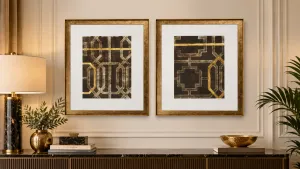
Framed Prints That Bring Effortless European Elegance to Apartment Interiors
September 23, 2026
-

How Crystal Chandelier Lighting Transforms Light, Height and Luxury Interiors
September 23, 2026
-
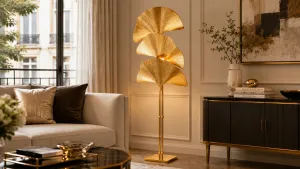
Sculptural Illumination: How Contemporary Floor Lamps Are Becoming Modern Art Statements
September 22, 2026
-

The Art of Choosing a Luxury Table Clock: A Guide to Size, Style & Placement
September 21, 2026
-
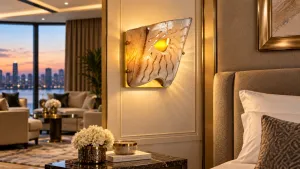
Elegant Wall Lamps: The Secret to Warmer, More Characterful Luxury Interiors
September 21, 2026
-
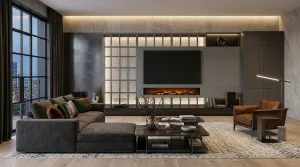
Pairing Luxury TV Units with Living Room Furniture: Create Cohesive Elegance in Modern Homes & Hotel
September 20, 2026