






Beyond Five-Star Luxury: The Art of Creating Hotel Interiors That Feel Like Architectural Masterpiec
Posted by Alessandro Conti / Luxury Hotel Interior / November 03, 2026
Imagine entering a magnificent hotel in the heart of Paris. The grand entrance welcomes you with elegant architectural detailing, warm lighting reflects across polished marble floors, and beautifully upholstered furniture invites you to pause and admire your surroundings.
Nothing feels excessive. Nothing appears out of place. Every curve, texture, and decorative element seems to have a purpose.
Yet, there is something extraordinary about the atmosphere.
You are surrounded by luxury, but instead of feeling overwhelmed, you feel completely at ease.
What creates this remarkable balance?
Is it the grandeur of the architecture, the sophistication of the furnishings, or the subtle details that make an unfamiliar environment feel wonderfully welcoming?
The secret lies in the relationship between structure, comfort, and visual harmony.
Across Europe, luxury hotel interiors are evolving beyond impressive architecture and expensive furnishings. From historic Italian palazzos and romantic French boutique hotels to contemporary London retreats, exceptional hospitality design is becoming an art form that combines architectural character with emotional comfort.
And perhaps the most fascinating part is that these design principles are now influencing sophisticated residential spaces as well.
The Architecture of Emotion: Why Great Hotels Make You Feel Something Before You Notice Anything
Have you ever entered a hotel lobby and immediately felt a sense of calm, excitement, or admiration without understanding exactly why?
That emotional response is rarely accidental.
Exceptional hotel interior design begins long before furniture, lighting, and decorative accessories are introduced.
The proportions of a room, the height of its ceilings, the positioning of windows, and the movement between spaces all influence how visitors experience their surroundings.
A grand entrance with soaring ceilings can establish an atmosphere of elegance, while a more intimate lounge with carefully balanced proportions encourages relaxation.
Consider a historic European hotel where beautiful arches, decorative mouldings, and tall windows create an immediate sense of heritage.
Now imagine a contemporary luxury hotel featuring expansive glass walls, clean architectural lines, and sculptural interior elements.
Although their visual languages are completely different, both can create extraordinary experiences when architecture and furniture work together.
The most sophisticated hotels do not simply fill architectural spaces with expensive objects.
They allow every design element to reinforce the atmosphere that the architecture was intended to create.
When Furniture Becomes Part of the Architecture
A beautifully designed hotel is not just a collection of luxurious rooms. It is a carefully composed environment where furniture becomes an extension of architectural design.
Imagine a spacious lobby featuring a magnificent curved sofa positioned beneath a sculptural chandelier.
The soft silhouette of the sofa contrasts beautifully with the surrounding stone columns, creating a balance between structure and comfort.
In another setting, a pair of elegant velvet armchairs placed beside a grand window can transform an otherwise unused architectural corner into an intimate relaxation area.
This is where thoughtfully chosen furniture becomes particularly important.
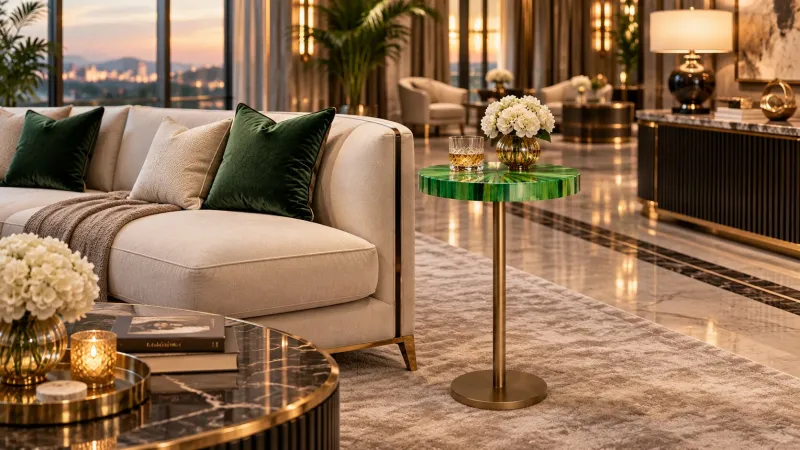
Luxury sofas, upholstered lounge chairs, sculptural coffee tables, statement consoles, and beautifully crafted side tables help establish visual rhythm throughout the interior.
For luxury hotel interiors for modern hotels, furniture must deliver sophistication while remaining comfortable and practical for frequent use.
Oversized pieces can disrupt the flow of a room, while furniture that is too small may feel disconnected from its architectural surroundings.
The secret is proportion.
When furniture complements the scale, geometry, and personality of the architecture, the entire space feels naturally elegant.
The European Heritage Effect: Can Historical Charm and Contemporary Luxury Exist Together?
Some of Europe's most captivating hotels are housed within buildings that have witnessed centuries of history.
Think of an elegant Parisian mansion transformed into a boutique hotel or a beautifully restored Italian villa welcoming guests from around the world.
These properties often possess architectural details that would be difficult to recreate authentically in contemporary buildings.
Ornate ceilings, carved wooden doors, marble fireplaces, decorative columns, and graceful arches introduce character before a single furniture piece is added.
But how can designers preserve this historical beauty without making the interiors feel outdated?
The answer lies in carefully balancing heritage with contemporary comfort.
A classical room featuring intricate wall mouldings can feel beautifully refreshed with modern upholstered furniture in soft neutral tones.
A traditional marble fireplace may become the focal point of an intimate lounge furnished with contemporary armchairs and understated lighting.
Similarly, richly detailed antique-inspired furniture can establish warmth within a minimalist architectural environment.
This thoughtful relationship between past and present gives vintage hotel design its enduring appeal.
Instead of treating historical elements as obstacles, exceptional designers transform them into distinctive features that make the property memorable.
The result is a space that feels timeless rather than trapped in a particular era.
The Comfort Paradox: Why the Most Luxurious Spaces Never Feel Intimidating
Luxury is often associated with grandeur, exclusivity, and elaborate decoration.
Yet the finest hospitality interiors possess another quality that is equally important: approachability.
A magnificent hotel lobby may impress guests upon arrival, but if the furniture feels uncomfortable or the arrangement discourages relaxation, the overall experience becomes less inviting.
This is the challenge of refined hospitality design.
How do you create an interior that feels extraordinary without making people afraid to sit down?
The answer begins with comfort-driven furniture selection.
Generously cushioned sofas, supportive lounge chairs, carefully proportioned seating arrangements, and tactile upholstery help soften grand architectural environments.
Materials such as velvet, leather, refined woven fabrics, natural wood, and polished stone introduce contrasting sensations that enhance the sensory experience.
Lighting plays an equally important role.
Warm, layered illumination can make expansive interiors feel intimate, while soft accent lighting highlights architectural features without overwhelming the room.
True luxury does not ask guests to admire a space from a distance.
It invites them to become part of it.
The Art of Visual Harmony: Where Materials, Colours, and Textures Meet
What makes a hotel interior look effortlessly coordinated rather than excessively decorated?
Often, the answer lies in the relationship between materials and colour.
Consider a sophisticated hotel lounge with warm beige walls, polished marble flooring, walnut furniture, and champagne-toned metal accents.
Each material possesses its own character, yet together they create a cohesive atmosphere.
This sense of harmony is especially important in luxury hotel interiors, where numerous furnishings and architectural elements must coexist without visual competition.
Neutral colour palettes frequently provide an elegant foundation.
Ivory, taupe, soft grey, warm cream, and muted brown allow rich materials and distinctive furniture silhouettes to stand out.
For a more dramatic interpretation, deep emerald, midnight blue, burgundy, or charcoal can introduce sophistication when balanced with lighter surfaces.
Texture adds another layer of interest.
A smooth marble table beside a plush velvet sofa creates contrast, while carved timber furniture paired with linen-inspired upholstery introduces warmth.
The objective is not to make every element identical.
It is to create a visual conversation where different materials complement one another.
When executed thoughtfully, these subtle relationships make an interior feel luxurious without appearing overly formal.
From Grand Lobbies to Intimate Suites: Every Space Deserves Its Own Identity
One of the most fascinating aspects of luxury hospitality design is the transition between different environments.
A hotel lobby may be impressive and architectural, while its guest suites feel peaceful, private, and deeply comfortable.
Yet both spaces should belong to the same visual story.
In reception areas, statement furniture, elegant console tables, and distinctive lighting can establish an unforgettable first impression.
Lounge spaces benefit from comfortable seating arrangements that encourage conversation and relaxation.
Guest suites require a more intimate interpretation of luxury.
Beautifully upholstered beds, refined bedside tables, carefully selected wardrobes, and soft accent seating create a sense of personal comfort.
The finest luxury hotel interiors for modern hotels maintain design continuity while adapting to the purpose of each space.
Materials, colours, and architectural details may repeat throughout the property, but their application changes according to function.
This thoughtful progression creates a seamless guest experience.
Every room feels distinctive, yet the entire hotel maintains a recognisable personality.
Bringing the Five-Star Experience Home: The Rise of Hotel-Inspired Residential Interiors
Why should the elegance of a five-star hotel be something we experience only while travelling?
Increasingly, European homeowners are bringing hospitality-inspired design into their private residences.
The appeal is easy to understand.
Luxury hotels are designed to provide comfort, beauty, convenience, and a sense of escape. These are precisely the qualities many homeowners want to experience in their everyday surroundings.
This growing interest in luxury hotel interiors for refined homes has encouraged a more sophisticated approach to residential furnishing.
Imagine a living room featuring an elegant curved sofa, sculptural accent chairs, and warm architectural lighting inspired by a boutique hotel lounge.
A bedroom might embrace a generously upholstered headboard, luxurious layered textiles, symmetrical bedside tables, and softly illuminated wall panels.
Even an entrance hallway can become more memorable with a beautifully crafted console table, statement mirror, and thoughtfully selected decorative accessories.
However, recreating hotel-inspired luxury does not mean copying an entire hospitality interior.
The most successful approach is to incorporate its underlying principles: proportion, comfort, visual harmony, and careful attention to detail.
The result is a home that feels beautifully curated while retaining its personal character.
Beyond Beautiful Design: Why Timeless Luxury Is a Smarter Investment
Hotel interiors experience frequent use, making furniture quality and long-term practicality particularly important.
A luxurious chair may look extraordinary, but its real value becomes apparent when it continues to provide comfort and maintain its appearance over time.
This is why material selection, construction quality, and thoughtful furniture design are essential considerations.
Well-crafted wooden furniture, durable upholstery, quality metal finishes, and resilient decorative surfaces can contribute to interiors that remain attractive through regular use and appropriate maintenance.
Timeless furniture silhouettes also offer lasting design flexibility.
A beautifully proportioned sofa or sculptural marble table can adapt to changing decorative preferences without losing its appeal.
For homeowners and hospitality buyers alike, investing in quality furniture means looking beyond immediate visual impact.
The goal is to select pieces that preserve their elegance while continuing to support the way people use the space.
The Final Design Secret: Luxury Is the Feeling That Remains
The most unforgettable luxury hotels are not always those with the largest chandeliers, the most elaborate furniture, or the grandest architectural details.
They are the ones that create a lasting emotional impression.
A beautifully balanced lounge invites relaxation. An elegantly furnished suite encourages peaceful moments. Thoughtful lighting enhances the architecture, while carefully selected materials establish warmth and sophistication.
Every element contributes to an experience that feels both exceptional and natural.
Whether designing a contemporary European hotel, restoring a historic boutique property, or introducing hospitality-inspired elegance into a private residence, the same principle applies.
Luxury hotel interior design achieves its finest expression when architecture, furniture, and human comfort exist in perfect harmony.
Because true luxury is not simply about creating a space that looks extraordinary.
It is about creating a space that makes people feel extraordinary the moment they enter—and long after they leave.
Note:- Shop exclusive collections anytime with the luxury furniture app from Luxury Group International.
RECENT POSTS
-
Beyond the Canvas: How Designer Wall Art Transforms Luxury Furniture into a Beautiful Interior Story
November 06, 2026
-
Echoes of Royalty: How Antique-Inspired Furniture Brings Timeless Grandeur into Modern Luxury Homes
November 05, 2026
-
The Luxury Bedroom Secret: How Elegant Bedside Benches Bring Comfort, Balance & Timeless Sophisticat
November 04, 2026
-
Beyond Five-Star Luxury: The Art of Creating Hotel Interiors That Feel Like Architectural Masterpiec
November 03, 2026
-
Reflections of Grandeur: How Statement Ornate Mirrors Are Redefining Luxury Hotel Spaces in 2026
November 03, 2026
-
Beyond the Garden: Luxury Furniture Arrangements That Transform Outdoor Spaces into Elegant Lounges
November 02, 2026
-
The Quiet Art of Luxury: How Bedroom Furniture Becomes a Reflection of Your Personality
November 02, 2026
-
Halloween in Style: Transform Your Home into a Hauntingly Elegant Luxury Retreat
November 01, 2026
-
Can You Use an Ottoman as a Coffee Table? A Practical Guide
November 01, 2026
-

Midnight Elegance: How to Create a Luxurious Gothic Halloween Interior
October 31, 2026


