





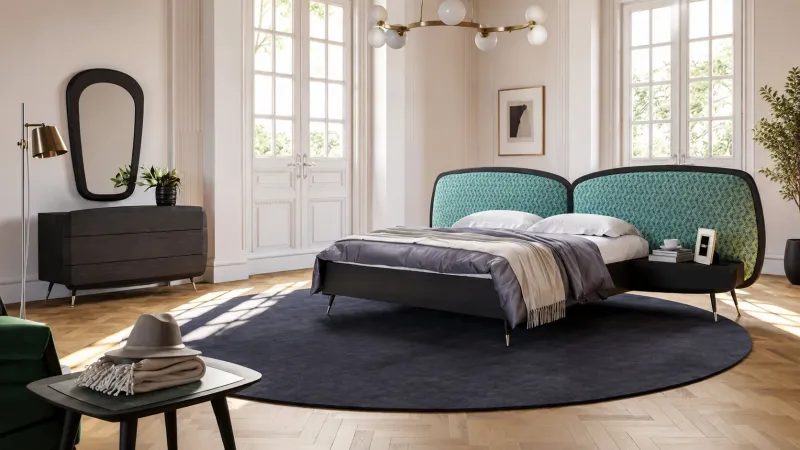
Beyond 2026: Design Experts Predict the Future of Luxury Hotel Furniture
Posted by Luxury Group International Design Team / Luxury Hotel Interior / August 05, 2026
The most memorable hotels of the next decade may not be defined by grand lobbies or extravagant décor alone. They will be shaped by furniture that adapts, responds, lasts longer, and creates a stronger emotional connection with guests. As hospitality brands rethink comfort, sustainability, and technology, hotel furniture trends are entering one of their most exciting periods.
In this expert roundtable, perspectives from product designers, interior architects, and hospitality procurement specialists reveal how future interiors may transform hotels across Europe and beyond.
Circular Design Will Become a Luxury Standard
For many design experts, sustainability is no longer an optional addition. It is becoming a central requirement in premium hospitality projects.
The next generation of luxury hotel furnitures is expected to feature replaceable components, recyclable materials, responsibly sourced timber, and finishes designed for restoration instead of disposal. Rather than replacing an entire chair because of damaged upholstery, hotels may simply replace individual panels, cushions, or fittings.
This circular approach can reduce long-term costs while helping hotels maintain a consistently refined appearance. Designers also predict greater demand for furniture passports that record material origins, manufacturing details, and recycling possibilities.
For luxury buyers, sustainability will not mean compromising on beauty. Instead, craftsmanship, longevity, and environmental responsibility will become part of the definition of modern luxury.
AI-Assisted Customisation Will Reshape Hotel Interiors
One of the most influential designer trends 2026 is the growing use of artificial intelligence during furniture planning and customisation.
AI-assisted tools may allow interior architects to test different furniture layouts, dimensions, materials, and colours before production begins. Hotel developers could visualise how a bespoke bed, lounge chair, console, or reception desk will appear within a particular room category.
Product designers believe this technology will make personalised furniture more accessible. Hotels may customise collections according to brand identity, regional architecture, guest demographics, and available floor space without extending development timelines significantly.
The result could be highly distinctive future interiors where furniture feels created specifically for the property rather than selected from a standard catalogue.
Flexible Furniture Will Answer New Spatial Needs
Post-pandemic travel habits continue to influence hotel furniture trends. Guests increasingly use hotel rooms for sleeping, working, dining, relaxing, and virtual meetings.
Interior architects expect multifunctional furniture to become essential. Desks may transform into dining tables, benches may include hidden luggage storage, and modular seating may shift between private relaxation and social interaction.
Even luxury suites may favour intelligent flexibility over excessive furniture. A carefully designed room with adaptable pieces can feel more spacious, calm, and purposeful.
For private properties and boutique hotels, this approach offers particular value because every square metre can support multiple guest needs.
Procurement Will Focus on Performance and Longevity
Procurement specialists predict that future purchasing decisions will go far beyond appearance and initial price.
Hotels will increasingly evaluate durability, maintenance requirements, replacement availability, installation efficiency, and lifecycle cost. Premium upholstery may need to resist stains and heavy use, while tables, beds, cabinets, and seating must retain their finish through years of commercial operation.
This performance-led approach will encourage closer collaboration between manufacturers, designers, and procurement teams. The most successful luxury hotel furnitures will combine visual impact with measurable operational value.
The Next Decade Will Be Personal, Responsible, and Intelligent
According to leading design experts, the future of hotel furniture will not follow one universal style. Instead, it will balance local character, digital innovation, sustainable manufacturing, and evolving guest expectations.
The strongest designer trends 2026 already point towards furniture that is smarter, more adaptable, and more emotionally engaging. For hotel owners, architects, and luxury buyers, the next decade offers an opportunity to create interiors that do more than impress—they can respond, endure, and tell a meaningful story.
This can also be adapted into an expert-interview format with individual quotes and speaker profiles.
RECENT POSTS
-
The Art of Entertaining: How Luxury Bar Furniture Transforms Sophisticated Interiors
September 24, 2026
-
The New Art of Rest: Curating a Wellness-Focused Luxury Bedroom
September 24, 2026
-
Framed Prints That Bring Effortless European Elegance to Apartment Interiors
September 23, 2026
-
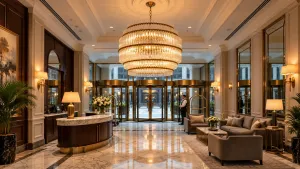
How Crystal Chandelier Lighting Transforms Light, Height and Luxury Interiors
September 23, 2026
-
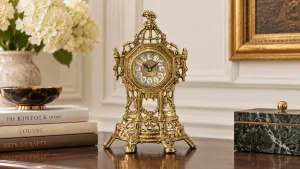
The Art of Choosing a Luxury Table Clock: A Guide to Size, Style & Placement
September 21, 2026
-
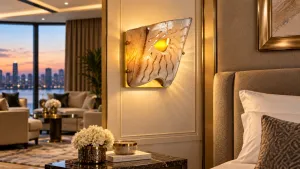
Elegant Wall Lamps: The Secret to Warmer, More Characterful Luxury Interiors
September 21, 2026
-
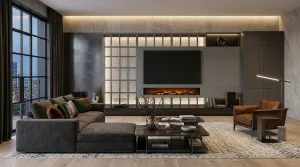
Pairing Luxury TV Units with Living Room Furniture: Create Cohesive Elegance in Modern Homes & Hotel
September 20, 2026
-
CEO Office Design: Desk and Executive Chair Ideas for a High-End Corporate Interior
September 20, 2026
-
How to Choose a Living Room Side Table: 5 Design Rules | The Golden Ratio Guide
September 19, 2026
-
Why Boutique Hotels Are Investing in Classic Marble Statues for Lobbies and Gardens
September 19, 2026