





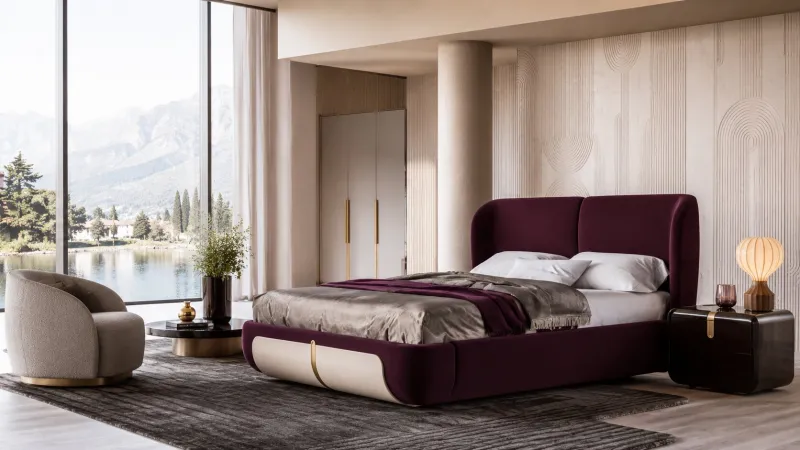
Beyond Greenery: How Biophilic Design Is Transforming the Five-Star Guest Experience
Posted by Luxury Group International Design Team / Luxury Hotel Interior / August 10, 2026
Luxury hotels are no longer competing only through marble lobbies, statement chandeliers, or extraordinary suites. Today, some of the most memorable five-star spaces are doing something surprisingly simple: making guests feel closer to nature. Biophilic design is transforming hospitality by blending greenery, daylight, organic textures, natural materials, and carefully selected luxury hotel furniture into environments designed around wellbeing.
For European travellers increasingly attracted to restorative experiences, this connection between hotel wellness and nature is becoming an important part of modern luxury.
When Nature Becomes Part of the Interior
True biophilic design goes far beyond placing decorative plants beside a sofa. It integrates natural experiences into the architecture itself.
Living walls can transform reception areas into dramatic botanical features, while indoor trees, planted courtyards, green partitions, and suspended planting systems introduce layers of vegetation throughout hotels. At 1 Hotels, for example, biophilic architecture, reclaimed furnishings, craftsmanship and natural materials form an important part of the brand's approach to hospitality and wellbeing.
For designers developing sophisticated nature interiors, greenery should therefore feel integrated rather than added afterwards.
Natural Light Is the New Luxury
One of the most powerful biophilic elements costs nothing to manufacture: daylight.
Floor-to-ceiling glazing, skylights, open courtyards, reflective surfaces and thoughtfully positioned mirrors can bring daylight deeper into guestrooms and communal spaces. The result is an atmosphere that changes subtly throughout the day rather than remaining visually static.
This approach works particularly well alongside warm timber, stone, linen, wool and tactile luxury hotel furniture. Combined correctly, these materials create home interiors that feel refined without becoming overly formal.
Recent hospitality research also connects higher-quality hotel biophilic environments with guest wellbeing, perceived value, revisit intentions and willingness to pay a premium.
Materials Guests Want to Touch
Biophilic luxury is highly sensory.
Consider oak or walnut bedframes, stone-topped consoles, woven detailing, linen upholstery, leather accents and sculptural furniture inspired by organic shapes. These elements make luxury hotel furniture part of the wellness experience rather than simply functional equipment.
Natural palettes can then continue into home decors, decorative objects, lighting and bedroom accessories, creating visual continuity from reception to suite.
The important detail is restraint. A sophisticated biophilic hotel should resemble an elegant retreat—not an indoor greenhouse.
What Smaller Boutique Hotels Can Do
A complete architectural redesign is not necessary to explore biophilic design. Boutique properties can begin strategically:
- Introduce large-scale planting in reception and lounge areas.
- Position seating and luxury beds toward garden, courtyard or landscape views.
- Replace synthetic-looking finishes with timber, stone and natural textiles.
- Use mirrors to extend daylight and visually amplify greenery.
- Refresh luxury hotel furniture with earthy colours and organic silhouettes.
Even relatively accessible interventions such as mirrors, carefully positioned plants and natural materials can strengthen the feeling of nature indoors.
The Five-Star Experience Is Becoming More Human
The future of hotel luxury may be less about displaying extravagance and more about changing how a guest feels.
Beautiful nature interiors, purposeful home decors, restorative bedrooms and carefully curated luxury hotel furniture can turn a property into something guests remember emotionally. As hotel wellness becomes increasingly embedded within hospitality design, biophilic spaces offer hotels something particularly valuable: luxury that feels alive.
RECENT POSTS
-
The Art of Entertaining: How Luxury Bar Furniture Transforms Sophisticated Interiors
September 24, 2026
-
The New Art of Rest: Curating a Wellness-Focused Luxury Bedroom
September 24, 2026
-
Framed Prints That Bring Effortless European Elegance to Apartment Interiors
September 23, 2026
-
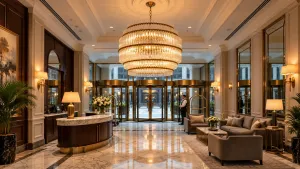
How Crystal Chandelier Lighting Transforms Light, Height and Luxury Interiors
September 23, 2026
-

The Art of Choosing a Luxury Table Clock: A Guide to Size, Style & Placement
September 21, 2026
-
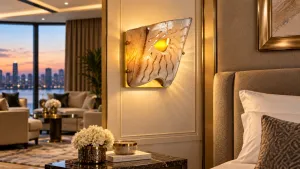
Elegant Wall Lamps: The Secret to Warmer, More Characterful Luxury Interiors
September 21, 2026
-
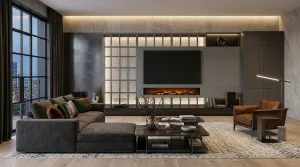
Pairing Luxury TV Units with Living Room Furniture: Create Cohesive Elegance in Modern Homes & Hotel
September 20, 2026
-
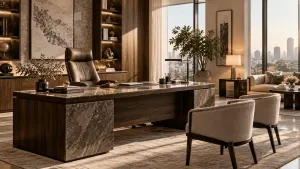
CEO Office Design: Desk and Executive Chair Ideas for a High-End Corporate Interior
September 20, 2026
-
How to Choose a Living Room Side Table: 5 Design Rules | The Golden Ratio Guide
September 19, 2026
-
Why Boutique Hotels Are Investing in Classic Marble Statues for Lobbies and Gardens
September 19, 2026