





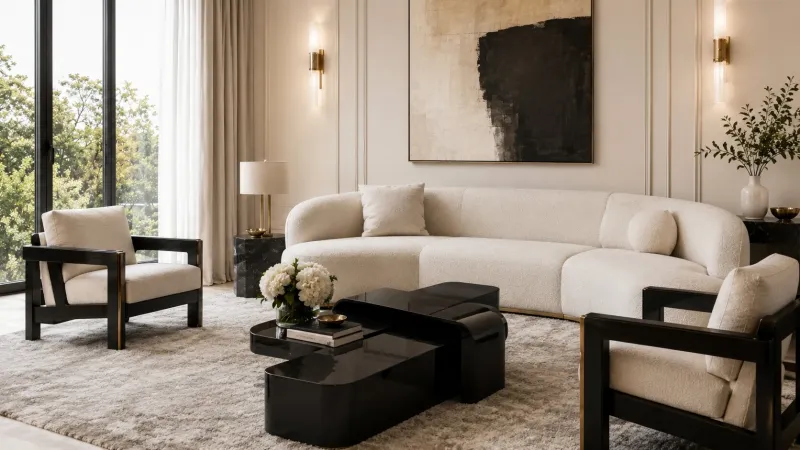
Beyond Prestige: What Truly Defines Luxury Furniture in Contemporary Interiors?
Posted by Luxury Group International Design Team / Living Room Furniture / July 31, 2026
Luxury is becoming quieter, more intelligent, and increasingly personal. A famous logo may attract attention, but today’s discerning buyers are no longer impressed by branding alone. They want to understand the story behind the materials, the quality hidden inside the construction, and the reason a piece deserves a place in their home.
This shift raises an important question: what defines luxury furniture today?
For sophisticated European residences, private villas, boutique hotels, and luxury hospitality projects, the answer lies in a careful combination of craftsmanship, material integrity, contemporary design, comfort, and lasting value. True luxury furniture does not simply decorate an interior—it shapes how the space looks, feels, and functions every day.
Craftsmanship That Reveals Human Skill
Exceptional craftsmanship remains the foundation of high end furniture. It can be recognised in the smallest details: precisely matched wood grains, smooth joints, hand-finished edges, perfectly aligned doors, and upholstery that follows every curve without visible tension.
The quality of a piece is also revealed through movement. Drawers should glide smoothly, cabinet doors should close quietly, and chairs should feel balanced from every angle. A luxury sofa should retain its shape, while a dining table should remain stable despite years of regular use.
Hand-carving, marquetry, metal casting, stone shaping, and traditional joinery bring individuality to luxury furniture. These techniques require time, experience, and patience—qualities that cannot be replicated through hurried mass production.
Premium Materials Used with Purpose
Expensive materials alone do not guarantee luxury. What matters is their quality, suitability, and the way they are combined.
Solid walnut, oak, marble, onyx, brass, leather, crystal, velvet, and natural stone are frequently used in high end furniture because they offer visual richness and durability. However, every material must support the function of the piece.
Marble may create an impressive tabletop, but it requires a strong and well-engineered base. Premium leather should feel soft while remaining resistant to everyday wear. Velvet upholstery must be supported by resilient foam and a durable internal frame.
For dining room furnitures, material performance is especially important. Tables and chairs must withstand regular entertaining while maintaining their finish and structural integrity. Similarly, living room furnitures should deliver comfort without sacrificing shape, proportion, or elegance.
Contemporary Design Without a Short Expiry Date
Modern luxury is no longer limited to heavily ornamented furniture. Contemporary luxury furniture often communicates sophistication through clean lines, sculptural forms, subtle textures, and carefully controlled proportions.
Curved sofas can soften architectural spaces, while fluted sideboards bring rhythm and texture to plain walls. Geometric coffee tables, stone consoles, and statement armchairs introduce visual interest without making the room feel excessive.
The finest contemporary designs feel current but not temporary. They avoid trends that may quickly appear dated and instead focus on balanced silhouettes, refined finishes, and adaptable colour palettes.
In well-planned home interiors, furniture should complement the architecture rather than compete with it. A bold piece may become a focal point, but it should still feel connected to the lighting, flooring, wall treatments, and decorative objects around it.
Comfort as a Form of Luxury
Furniture can look spectacular and still fail if it is uncomfortable. Modern luxury buyers increasingly understand that comfort is not an optional feature—it is an essential part of value.
A designer sofa should support the body during long conversations. Dining chairs should remain comfortable throughout extended meals. Beds, benches, and lounge chairs should combine softness with proper structural support.
Luxury comfort is often created by elements that cannot be immediately seen, including hardwood frames, hand-tied springs, layered cushioning, feather blends, and ergonomic seat angles. These internal details separate genuinely high end furniture from pieces that rely only on attractive surfaces.
Personalisation and Emotional Value
Another important answer to what defines luxury furniture today is personal relevance. Luxury buyers increasingly prefer furniture that reflects their lifestyle rather than a standard showroom arrangement.
Custom dimensions, fabric choices, metal finishes, wood stains, and modular configurations allow a piece to respond to a specific room. This is particularly valuable in European apartments, historic homes, large villas, and luxury hotels where standard furniture sizes may not suit the architecture.
A personalised piece also creates emotional value. It feels selected for the space rather than simply purchased to fill it.
Value Beyond the Brand Name
Brand heritage can represent experience, innovation, and dependable service. However, a prestigious label should not be the only reason for investing in luxury furniture.
Buyers should examine construction methods, material origin, finishing quality, comfort, warranty, repairability, and expected lifespan. A lesser-known artisan may offer exceptional craftsmanship and greater originality, while an established luxury brand may justify its price through research, customisation, and long-term support.
The real value of high end furniture becomes visible over time. It should age gracefully, continue performing well, and remain aesthetically relevant as surrounding home interiors evolve.
The New Meaning of Luxury Furniture
Ultimately, what defines luxury furniture today is the union of beauty, integrity, and purpose. It is found in skilled craftsmanship, premium materials, considered proportions, lasting comfort, and contemporary design that avoids becoming disposable.
The finest luxury furniture does more than furnish dining rooms, living spaces, bedrooms, or hotel suites. It influences atmosphere, supports meaningful routines, and gives an interior its identity.
Modern luxury is not about choosing the loudest brand or the most decorative object. It is about investing in furniture whose quality becomes more convincing every time it is seen, touched, and used.
RECENT POSTS
-
The Art of Entertaining: How Luxury Bar Furniture Transforms Sophisticated Interiors
September 24, 2026
-
The New Art of Rest: Curating a Wellness-Focused Luxury Bedroom
September 24, 2026
-
Framed Prints That Bring Effortless European Elegance to Apartment Interiors
September 23, 2026
-
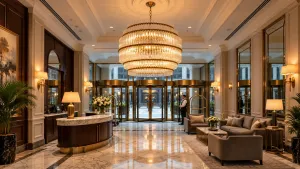
How Crystal Chandelier Lighting Transforms Light, Height and Luxury Interiors
September 23, 2026
-
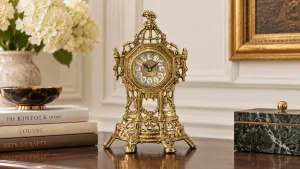
The Art of Choosing a Luxury Table Clock: A Guide to Size, Style & Placement
September 21, 2026
-
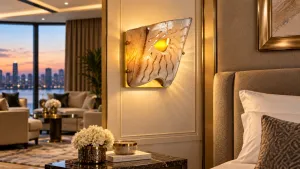
Elegant Wall Lamps: The Secret to Warmer, More Characterful Luxury Interiors
September 21, 2026
-
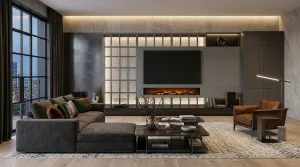
Pairing Luxury TV Units with Living Room Furniture: Create Cohesive Elegance in Modern Homes & Hotel
September 20, 2026
-
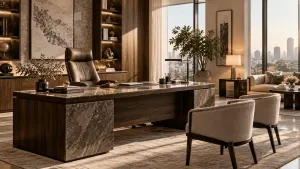
CEO Office Design: Desk and Executive Chair Ideas for a High-End Corporate Interior
September 20, 2026
-
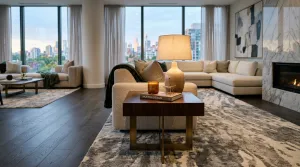
How to Choose a Living Room Side Table: 5 Design Rules | The Golden Ratio Guide
September 19, 2026
-
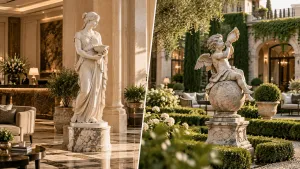
Why Boutique Hotels Are Investing in Classic Marble Statues for Lobbies and Gardens
September 19, 2026