





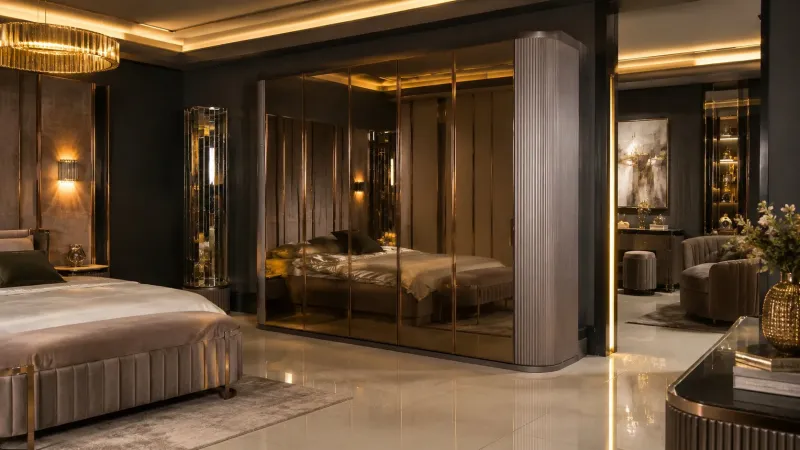
Beyond the Bedroom: How “Third Space” Suites Are Redefining Luxury Hotel Living
Posted by Luxury Group International Design Team / Luxury Hotel Interior / August 07, 2026
The modern luxury guest room is no longer expected to serve one purpose. Today’s travellers may answer emails in the morning, take a wellness break in the afternoon, host a private conversation before dinner, and unwind with a drink at night—all without leaving their suite. This shift is giving rise to multifunctional suites, where carefully planned work, wellness, and social zones coexist inside a single sophisticated environment.
For luxury hotels across Europe, this new approach to hotel room design is creating an opportunity to improve both guest experience and space efficiency.
What Is a “Third Space” Suite?
A “third space” suite sits somewhere between a traditional hotel bedroom and a private residence. Instead of arranging everything around the bed, the room is divided into purposeful zones for sleeping, working, relaxing, dining, and wellness.
This form of guest zoning creates a more intuitive experience. Guests can move naturally between activities without feeling that the entire room is dominated by one function.
A successful floor plan might include a sleep zone at the quietest end of the suite, a lounge area near natural light, a compact working zone positioned away from the bed, and a wellness corner with space for stretching, meditation, or personal fitness.
Furniture That Changes with the Guest
The foundation of multifunctional suites is furniture that can adapt throughout the day.
A slim console may function as a writing desk in the morning and transform into a dining surface in the evening. A daybed can operate as casual seating, a reading lounge, or an additional sleeping area. Modular ottomans can move between the lounge, dressing area, and bedside depending on the guest’s needs.
Well-designed Luxury hotel furnitures should support these transformations without appearing mechanical. Concealed storage, integrated charging points, movable surfaces, and modular seating can preserve visual elegance while increasing functionality.
This flexibility is particularly valuable in urban luxury properties where every square metre must perform intelligently.
Acoustic Design Creates Psychological Separation
Not every zone requires a solid wall. Clever acoustic solutions can establish privacy without reducing openness.
Upholstered headboards, fabric wall panels, rugs, acoustic curtains, and high-backed seating can absorb sound while contributing to the interior aesthetic. Even the positioning of Luxury hotel furnitures can help separate work and relaxation areas.
For example, placing a shelving unit or sculptural screen between a desk and bed creates subtle visual separation. This type of guest zoning allows a suite to feel spacious while still providing distinct environments for concentration and rest.
Wellness Is Moving into the Guest Room
Wellness is becoming an integral part of premium hotel room design rather than an amenity found only in the spa.
A dedicated wellness zone may include soft floor space for yoga, adjustable lighting, a relaxation chair, filtered water, discreet fitness storage, or calming luxury home decors. Natural materials, warm lighting, and tactile surfaces can further support relaxation.
The objective is not to fill the room with equipment. Instead, multifunctional suites should give guests the freedom to create their own wellness routine.
A Conceptual Floor Plan for Better Guest Zoning
A thoughtful suite could flow in four stages: entrance and storage, social lounge, flexible work-and-dining zone, and a quieter sleeping-and-wellness area.
This layered approach to guest zoning prevents furniture from competing for space. It also creates clearer pathways for housekeeping teams, allowing each zone to be serviced efficiently.
Where Design Performance Meets Commercial Value
The commercial value of adaptable hotel room design comes from making one room attractive to multiple guest profiles. Business travellers gain a proper work environment, couples enjoy a private lounge, and long-stay guests benefit from dining and wellness functionality.
Properties can evaluate performance through occupancy, length of stay, premium-suite demand, guest satisfaction, and repeat bookings rather than relying only on additional furniture.
For the next generation of European hospitality, multifunctional suites represent more than a design trend. They transform the guest room into a flexible private world—one where work, wellness, socialising, and rest can coexist beautifully, supported by intelligent Luxury hotel furnitures and thoughtful design.
RECENT POSTS
-
The Art of Entertaining: How Luxury Bar Furniture Transforms Sophisticated Interiors
September 24, 2026
-
The New Art of Rest: Curating a Wellness-Focused Luxury Bedroom
September 24, 2026
-
Framed Prints That Bring Effortless European Elegance to Apartment Interiors
September 23, 2026
-
How Crystal Chandelier Lighting Transforms Light, Height and Luxury Interiors
September 23, 2026
-
The Art of Choosing a Luxury Table Clock: A Guide to Size, Style & Placement
September 21, 2026
-
Elegant Wall Lamps: The Secret to Warmer, More Characterful Luxury Interiors
September 21, 2026
-
Pairing Luxury TV Units with Living Room Furniture: Create Cohesive Elegance in Modern Homes & Hotel
September 20, 2026
-
CEO Office Design: Desk and Executive Chair Ideas for a High-End Corporate Interior
September 20, 2026
-
How to Choose a Living Room Side Table: 5 Design Rules | The Golden Ratio Guide
September 19, 2026
-
Why Boutique Hotels Are Investing in Classic Marble Statues for Lobbies and Gardens
September 19, 2026