





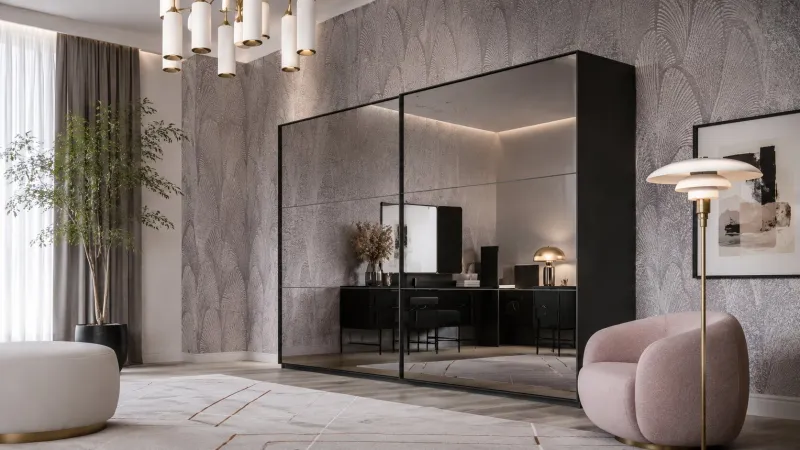
Built to Belong: How Luxury Hotel Interiors Stay Relevant for Decades
Posted by Luxury Group International Design Team / Luxury Hotel Interior / August 24, 2026
The fastest way for a hotel interior to look old is to chase what feels new. Oversized statement pieces, highly specific colour trends, novelty finishes, and fashionable shapes can photograph beautifully at launch, yet become visual timestamps only a few years later. The real challenge is more demanding: creating timeless hotel design that feels distinctive today and still convincing 10 or 15 years from now.
For luxury hotels across Europe, this is where longevity design becomes a strategic advantage. The goal is not to avoid personality. It is to decide which elements should remain permanent and which should be flexible enough to evolve.
Timeless Does Not Mean Neutral or Safe
A common misconception is that timeless hotel design must be beige, minimal, or conservative.
In reality, enduring interiors often have strong identities. What makes them last is proportion, craftsmanship, and material quality rather than visual restraint alone. Well-scaled joinery, natural stone, solid timber, elegant metals, and carefully detailed luxury hotel furniture can retain their appeal because they are rooted in material authenticity.
Trend-driven interiors often depend more heavily on surface effects. Highly fashionable patterns, exaggerated curves, novelty lighting, or unusual finishes can dominate a room so strongly that once the trend changes, the entire space feels dated.
Design the Permanent Layer First
A strong longevity design strategy begins by separating permanent architectural elements from replaceable decorative ones.
Flooring, wall panelling, built-in wardrobes, headboards, bathroom finishes, and major furniture should be treated as the long-term foundation. These elements benefit from durable materials, clean detailing, and proportions that are unlikely to feel obsolete.
Then comes the flexible layer: cushions, artwork, rugs, lampshades, decorative accessories, and selected upholstery.
The difference is simple: timeless elements support the room; trend-led elements define it too aggressively.
This allows durable interiors to evolve without requiring complete refurbishment. A hotel can refresh its visual identity through colour and accessories while preserving the core investment.
Materials Should Improve With Age
Some materials become more beautiful when they are used.
Natural stone can develop subtle character. Quality leather can soften and deepen in tone. Solid wood can gain warmth over time. Brushed metal finishes often disguise minor wear better than highly polished surfaces.
This is one reason material selection is central to durable interiors.
By contrast, fragile laminates, delicate lacquers, poorly finished veneers, or trend-specific synthetic surfaces may show wear quickly. Once damaged, they can make otherwise attractive luxury hotel furniture feel tired.
Hotels should therefore ask not only, “How does this material look today?” but also, “How will it look after thousands of guest interactions?”
Detailing Determines Whether Furniture Ages Well
Small construction decisions often have a large long-term impact.
Replaceable upholstery panels, removable cushion covers, standardised hardware, accessible fittings, and repairable surfaces can significantly extend the lifespan of luxury hotel furniture.
A chair that can be reupholstered is more adaptable than one with a fully fixed decorative shell. A bedside table with replaceable handles can evolve visually without being discarded. A modular sofa can be refreshed section by section.
These details are central to longevity design because they allow furniture to mature rather than simply deteriorate.
Why Some 10–15-Year-Old Hotels Still Feel Current
Properties that age well often share similar characteristics: restrained architectural foundations, high-quality natural materials, strong lighting design, simple furniture proportions, and decorative layers that can be updated independently.
They also tend to avoid making every surface compete for attention.
A room can have one memorable sculptural feature, one rich material, or one bold colour story without turning the entire interior into a trend statement.
This balance allows timeless hotel design to remain recognisable while still accepting future updates.
Use Trends Where They Can Be Changed
Trends are not the enemy. They simply need to appear in the right places.
Seasonal colours, contemporary artwork, fashionable textiles, and decorative objects can make durable interiors feel current. These elements are relatively easy to change when guest expectations evolve.
The costly mistake is building temporary fashion into permanent architecture.
A dramatic upholstery colour can be replaced. A complicated stone floor cannot.
The Real Luxury Is Staying Relevant
Luxury hospitality is often associated with newness, but the more sophisticated measure is longevity.
A successful hotel interior should not require constant reinvention to remain desirable. It should gain character while retaining clarity.
By combining adaptable decorative layers, repairable luxury hotel furniture, honest materials, and thoughtful proportions, hotels can create spaces that age with confidence.
That is the paradox of longevity design: the interiors that feel freshest for the longest time are often the ones that tried least aggressively to look fashionable in the first place.
RECENT POSTS
-
The Art of Hospitality on Wheels: How Luxury Trolleys Elevate Boutique Hotel Experiences
September 25, 2026
-
The Art of Grandeur: How Baroque Coffee Tables Transform Luxury Living Spaces
September 25, 2026
-
The Art of Entertaining: How Luxury Bar Furniture Transforms Sophisticated Interiors
September 24, 2026
-
The New Art of Rest: Curating a Wellness-Focused Luxury Bedroom
September 24, 2026
-
Framed Prints That Bring Effortless European Elegance to Apartment Interiors
September 23, 2026
-
How Crystal Chandelier Lighting Transforms Light, Height and Luxury Interiors
September 23, 2026
-
Sculptural Illumination: How Contemporary Floor Lamps Are Becoming Modern Art Statements
September 22, 2026
-
The Art of Choosing a Luxury Table Clock: A Guide to Size, Style & Placement
September 21, 2026
-
Elegant Wall Lamps: The Secret to Warmer, More Characterful Luxury Interiors
September 21, 2026
-
Pairing Luxury TV Units with Living Room Furniture: Create Cohesive Elegance in Modern Homes & Hotel
September 20, 2026