





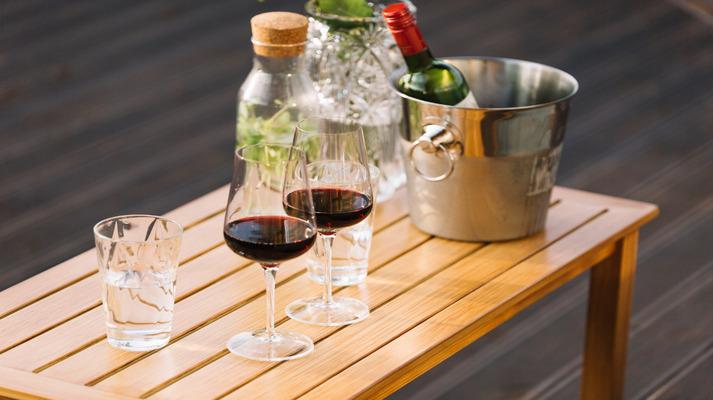
Champagne Buckets That Complete a Refined European Table Setting
Posted by Luxury Group International Design Team / Luxury Home Bar Accessories / January 16, 2026
The presence of meticulously selected champagne buckets upon a dining table communicates volumes about hospitality standards and design sensibility. Within European table styling traditions, these functional vessels transcend mere utility—they become sculptural centrepieces that signal refinement, occasion significance, and attention to ceremonial detail that distinguishes memorable dining experiences from ordinary meals.
For luxury interior designers curating hospitality environments and discerning homeowners establishing entertaining standards, understanding how an elegant wine bucket integrates into broader table compositions proves essential. The most successful implementations balance practical ice retention with aesthetic contribution, creating visual harmony that enhances rather than interrupts the dining narrative.
Historical Context and Contemporary Relevance
European table traditions have long elevated beverage service to theatrical performance. French service protocols from the 18th century codified the placement and presentation of wine vessels, establishing standards that continue influencing contemporary luxury dining. The champagne bucket emerged as distinct from general wine coolers during this period, its proportions specifically calibrated for Champagne bottle dimensions and the ceremonial uncorking that accompanies celebratory occasions.
Modern hospitality design maintains these traditions whilst incorporating contemporary materials and aesthetics. Research from the European Hotel Design Association indicates that 68% of luxury property guests notice table setting details within the first three minutes of being seated, directly influencing their overall experience perception. This data underscores why champagne buckets for luxury hotels require the same design consideration as flatware, glassware, and china selections.
Material Distinctions and Visual Character
The material composition of champagne buckets fundamentally shapes their integration into refined table settings. Traditional sterling silver vessels offer unparalleled elegance—their reflective surfaces capturing candlelight and creating luminous focal points that animate the entire tablescape. The weight and substance of solid silver communicate quality through tactile experience, though their care requirements demand dedicated maintenance protocols.
Stainless steel alternatives provide contemporary sophistication with practical advantages. High-grade 18/10 stainless steel with mirror or brushed finishes achieves visual refinement approaching silver whilst offering superior resistance to tarnishing and temperature fluctuations. European manufacturers like Alessi and Georg Jensen have mastered stainless steel fabrication, producing pieces that function equally as tabletop sculpture and functional service items.
Crystal champagne buckets introduce transparency and light refraction that create ethereal table presence. Baccarat and Waterford produce hand-cut crystal versions that transform ice and condensation into design elements—the play of light through faceted surfaces adding dynamic visual interest throughout the dining experience.
Copper vessels provide warm metallic contrast particularly suited to autumn and winter table settings. The natural patina development in copper creates evolving aesthetic character, though this requires acceptance of changing surface appearance or commitment to regular polishing maintenance.
Proportional Relationships in Table Composition
The dimensions and placement of an elegant wine bucket within the table architecture require careful consideration. Standard Champagne bottle dimensions (approximately 30cm height, 9cm diameter) dictate minimum bucket sizing, though generous proportions that accommodate ice volume without immediate melt-through prove more functional.
For intimate dining settings seating four to six guests, a single centrally positioned bucket creates focal presence without crowding. The vessel should claim approximately 15-20cm diameter footprint, allowing adequate clearance from place settings whilst maintaining visual significance within the overall composition.
Larger banquet configurations benefit from multiple champagne buckets positioned at regular intervals, creating rhythm through repetition. In luxury hotel dining rooms, placement every 2-2.5 metres ensures accessibility whilst maintaining visual balance. This approach transforms functional service items into decorative elements that unify extended table lengths.
Stands versus tabletop placement significantly alter visual dynamics. Floor-standing ice buckets with tripod bases remove vessels from immediate table surface, reducing visual crowding in elaborate settings with multiple courses and extensive flatware arrays. Conversely, tabletop placement creates intimate accessibility and emphasizes the champagne service as central to the dining occasion.
Integration with Broader Table Styling
Successful champagne buckets for luxury hotels demonstrate conscious relationships with surrounding table elements. Material coordination strengthens visual cohesion—silver buckets complement silver candelabra and serving pieces, whilst crystal vessels echo cut glassware and create unified material language.
Finish matching requires nuanced understanding. Mirror-polished stainless steel pairs beautifully with contemporary minimalist china and streamlined flatware, creating sleek modernity. Brushed or satin finishes introduce subtle texture that softens ultra-modern settings, bridging contemporary and traditional aesthetics.
Colour temperature considerations influence material selections. Cool-toned metals (silver, stainless steel, chrome) harmonize with white linens and crystal stemware, creating crisp European formality. Warmer metals (copper, brass, gold-plated) introduce richness suited to cream linens and ivory china, establishing inviting rather than austere atmospheres.
The negative space surrounding each elegant wine bucket carries design importance equal to the vessel itself. Adequate clearance—minimum 8-10cm from adjacent items—prevents visual crowding whilst allowing the piece to claim its designed presence within the composition.
Linen Coordination and Presentation Details
The interaction between champagne buckets and table linens requires attention to moisture management and aesthetic harmony. Quality linen napkins positioned beneath vessels protect table surfaces whilst providing visual foundation that grounds the piece within the setting.
Damask patterns in table linens should complement rather than compete with ornate bucket designs. Heavily decorated crystal or embossed silver buckets pair best with subtle linen textures, allowing the vessel to dominate visual attention. Conversely, simple contemporary buckets tolerate bolder linen patterns without creating compositional conflict.
Condensation management proves essential for maintaining refined presentation throughout extended dining. Double-walled insulated champagne buckets minimize exterior moisture whilst maintaining ice longevity—a practical consideration that preserves table presentation standards in professional hospitality contexts.
Lighting Considerations for Maximum Impact
Strategic illumination transforms champagne buckets for luxury hotels from functional items into luminous centrepieces. Candlelight creates the most flattering interaction with metallic and crystal surfaces, the flickering flames producing dynamic reflections that animate the entire table.
Overhead pendant lighting positioned to create specular highlights on bucket surfaces enhances their sculptural presence. This technique particularly benefits mirror-polished vessels where controlled light reflections become design elements themselves.
Ambient lighting temperature influences material appearance significantly. Warm lighting (2700K-3000K) enriches metallic finishes and creates inviting atmosphere, whilst cooler temperatures (3500K-4000K) emphasize crystal clarity and maintain formality appropriate for corporate dining events.
Service Protocols and Presentation Excellence
The ceremonial aspects of champagne service elevate champagne buckets beyond mere cooling vessels. Proper presentation involves bottle placement with label facing the host, ice filling to two-thirds capacity to ensure stability, and linen napkin draping that manages condensation elegantly.
Professional service staff training should emphasize silent ice replenishment and discrete bottle rotation to maintain optimal temperature without disrupting table conversation. These refined service details distinguish luxury hospitality experiences from standard dining.
Conclusion
The selection and presentation of champagne buckets within refined European table settings represents the intersection of functional necessity and aesthetic intention. These vessels complete the visual narrative of luxury dining—communicating celebration, sophistication, and meticulous attention to detail that defines exceptional hospitality.
RECENT POSTS
-
The Art of Hospitality on Wheels: How Luxury Trolleys Elevate Boutique Hotel Experiences
September 25, 2026
-
The Art of Grandeur: How Baroque Coffee Tables Transform Luxury Living Spaces
September 25, 2026
-
The Art of Entertaining: How Luxury Bar Furniture Transforms Sophisticated Interiors
September 24, 2026
-
The New Art of Rest: Curating a Wellness-Focused Luxury Bedroom
September 24, 2026
-
Framed Prints That Bring Effortless European Elegance to Apartment Interiors
September 23, 2026
-
How Crystal Chandelier Lighting Transforms Light, Height and Luxury Interiors
September 23, 2026
-
Sculptural Illumination: How Contemporary Floor Lamps Are Becoming Modern Art Statements
September 22, 2026
-
The Art of Choosing a Luxury Table Clock: A Guide to Size, Style & Placement
September 21, 2026
-
Elegant Wall Lamps: The Secret to Warmer, More Characterful Luxury Interiors
September 21, 2026
-
Pairing Luxury TV Units with Living Room Furniture: Create Cohesive Elegance in Modern Homes & Hotel
September 20, 2026