





French Luxury Interiors: How to Mix Baroque Furniture With Restraint
Posted by Alessandro Conti / Luxury Baroque Furniture / September 17, 2026
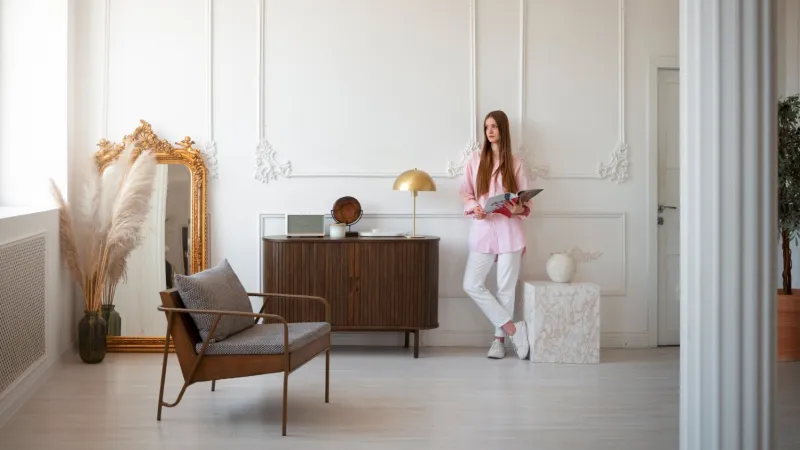
There’s a particular kind of quiet confidence in the best Parisian apartments. You walk into a room and the light falls just so across a carved console or a gilded mirror, and everything else feels calm, almost understated. That balance is what French luxury interiors do so well. They never shout. They let one strong piece speak, then surround it with space, soft colour and the quiet architecture of the room itself.
Baroque furniture France produced in the 17th and early 18th centuries can feel intimidating if you only know it from palace museums. Heavy curves, gold leaf, dramatic silhouettes. In the wrong hands it quickly turns into a period room that feels like a stage set. The secret that many good Parisian designers still use is simple: treat the ornate piece as the single guest of honour, not the entire guest list.
Start with one piece, not a collection
The most common mistake is buying a matching set. A full suite of Baroque chairs, table and sideboard can overwhelm even a generous Haussmannian salon. Instead, choose one object that carries real presence and let it carry the room.
It might be a console table with deep carving and original gilding, a tall mirror with scrolling crest, or a single armchair whose arms and legs still show the energetic curves of the period. Place that piece where the eye naturally lands: opposite the entrance, against a wall with good light, or under a window that frames it. Then stop. Everything else in the room should support it rather than compete.
I once worked with a client in the 6th who had inherited a spectacular Louis XIV bureau. She was worried it would look out of place in her otherwise modern apartment. We cleared the surrounding surfaces, kept the walls a soft chalky white, and added only a simple linen sofa and a pair of quiet side tables. The bureau suddenly looked intentional rather than inherited. That is the power of restraint.
Let the architecture do some of the work
Parisian interiors already come with built-in drama: high ceilings, deep mouldings, tall windows, often a marble fireplace. These elements were designed to frame ornate furniture. Use them.
Keep the mouldings clean and painted the same colour as the walls or just a shade lighter. Avoid filling every wall with art or extra furniture. A single Baroque mirror above a fireplace, with the mouldings framing it, already feels complete. The same goes for a carved console placed under a window where the shutters and cornice create a natural stage.
If your apartment has simpler modern walls, you can still borrow the idea. A modest picture rail or a simple ceiling cornice in a soft tone creates a quiet frame without pretending the room is older than it is. The goal is never pastiche. It is conversation between the furniture and the architecture.
Controlled palettes keep the drama in check
Colour is where many people lose their nerve. Baroque furniture often arrives with gold, deep woods, sometimes original polychrome. The instinct is to match that richness with rich walls and heavy fabrics. Resist it.
The classic Parisian approach is a limited range of soft, slightly dusty tones: warm whites, pale stone, light greige, soft putty, the occasional muted sage or faded blue. These colours let the gilding and carving read clearly without fighting for attention. Floors stay calm too — pale oak, stone, or a simple sisal or wool rug in a neutral tone.
Upholstery on surrounding pieces should be quiet. Linen, cotton velvet in a matte finish, or a very fine wool. Avoid shiny silk or heavy brocade unless it is on the Baroque piece itself and already original. The contrast between the ornate wood and the calm fabric is what makes the furniture feel luxurious rather than costume-like.
Lighting matters just as much. Soft, layered light — a pair of simple wall sconces, a quiet floor lamp, daylight left unfiltered by heavy curtains — keeps the room feeling lived-in. Harsh overhead light can make gold leaf look garish. Soft light makes it glow.
Practical ways to mix without chaos
A few concrete approaches that work well in real homes:
- One statement mirror and clean walls. A large Baroque mirror above a simple console or fireplace is almost a formula in good Parisian interiors. Keep the console either contemporary or lightly classic, never another heavily carved piece.
- A single armchair as sculpture. Place a beautifully carved fauteuil in a corner with a small side table and a good reading light. The rest of the seating can be modern or mid-century. The contrast feels deliberate.
- Dining room restraint. One Baroque sideboard or a pair of console tables against the wall, with a simple contemporary table and quiet chairs. The sideboard becomes the character; the table stays functional and calm.
- Bedroom version. A tall carved headboard or a single ornate chest of drawers. Bedding stays soft and plain. No matching nightstands in the same style.
In each case the rule is the same: the Baroque object is the only one allowed to be elaborate. Everything else steps back.
Scale and proportion still matter
Even with restraint, size counts. A massive armoire needs a room with height and floor space. A delicate console can live in a smaller entrance or hallway. Measure carefully and leave breathing room around the piece. Crowding is the enemy of this look.
Also consider the height of the carving relative to the room. Tall crests and high backs work best when the ceiling can absorb them. In lower modern spaces, look for lower, wider pieces or focus on mirrors and smaller tables.
Living with the piece day to day
These objects were made to be used, not just admired. A Baroque console can hold a tray of keys and a simple vase of flowers. An armchair can be the most comfortable seat in the room if the upholstery is renewed with a practical fabric. The goal is not a museum. It is a home that happens to contain one exceptional object.
Dust the carving gently, keep the gilding protected from direct harsh sunlight if possible, and accept that a little wear is part of the story. Perfect, untouched pieces often feel cold. A bit of honest age makes the room feel more human.
Why this approach still feels current
French luxury interiors have always understood that true elegance is selective. The best Parisian rooms today still follow that instinct. They absorb influences from different centuries without becoming a historical reconstruction. One strong Baroque piece, good mouldings, and a controlled palette create a room that feels collected rather than decorated. It looks expensive without trying too hard, which is exactly the quality people respond to.
If you are starting from scratch, begin with the architecture and the light. Then introduce one piece that makes your heart beat a little faster. Build everything else around the space it needs. The result will feel like a real home that happens to contain a little history, not a stage set waiting for the next act.
That balance — one ornate voice speaking clearly against a calm background — is still one of the most reliable ways to create French luxury interiors that people actually want to live in.
RECENT POSTS
-
Is Your Luxury Outdoor Furniture Fading? UV, Covers and Placement
September 18, 2026
-

The Roman Centurion Statue: History, Symbolism and Where to Place One
September 18, 2026
-
Cantilever or Centre-Pole Parasol: Which Design Is Right for Your Space?
September 17, 2026
-
French Luxury Interiors: How to Mix Baroque Furniture With Restraint
September 17, 2026
-
Freestanding vs. Built-In Bathtubs: Which Is Right for Your Luxury Home?
September 16, 2026
-
Why Vintage Table Clocks Are Returning to Luxury European Interiors
September 16, 2026
-

Why Large Outdoor Parasols Are Becoming Architectural Features in Luxury Design
September 15, 2026
-
Sydney to Melbourne: How Australian Luxury Homes Are Embracing European Design in 2026
September 15, 2026
-
How to Style a Vintage Table Clock for Consoles, Dressers & Mantels
September 14, 2026
-
Styling a Console with Trays, Bowls and Bronze Objets: The Layering Formula
September 14, 2026