





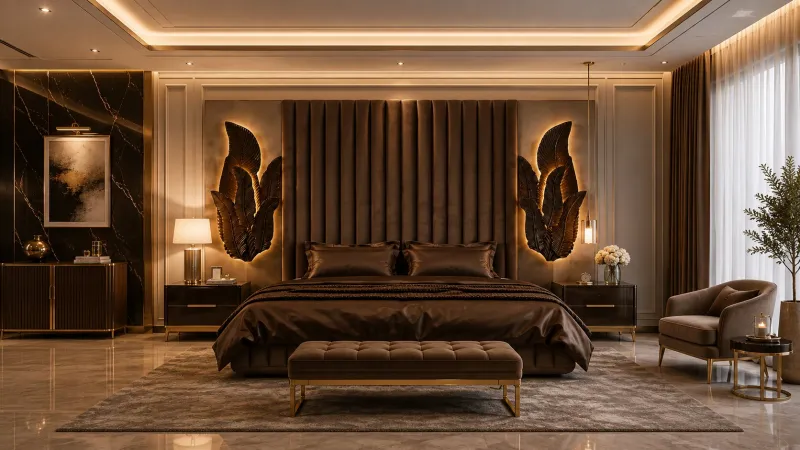
From Hotel Room to Private Residence: Designing Comfort Without Compromising Efficiency
Posted by Luxury Group International Design Team / Luxury Hotel Interior / August 06, 2026
The most memorable hotel rooms often create an unusual feeling: they seem polished enough for a luxury property, yet comfortable enough to feel like a private residence. Guests can settle into the space naturally, place their belongings without difficulty, relax in a proper lounge area, and enjoy the room without being reminded that it must be cleaned, maintained, and prepared for another arrival.
Achieving this balance is the central challenge of residential hotel design. Guests increasingly expect warmth, individuality, and familiarity, while hotel operators require durability, easy maintenance, efficient housekeeping, and long-term performance. The solution lies in thoughtful planning, resilient materials, and carefully selected luxury hotel furniture that combines residential character with commercial practicality.
Why Residential Hotel Design Matters
Traditional hotel rooms were often arranged around a predictable collection of furniture: a bed, two bedside tables, a wardrobe, a desk, and perhaps one occasional chair. Although functional, these layouts could sometimes feel formal or impersonal.
Modern residential hotel design introduces softer arrangements and more meaningful details. Upholstered headboards, layered lighting, comfortable seating, tactile textiles, decorative mirrors, artwork, and curated home decors create a stronger sense of belonging.
Instead of feeling like a temporary sleeping space, the room begins to resemble a sophisticated apartment. This emotional connection can improve guest comfort, encourage longer stays, and make the overall experience feel more exclusive.
Hybrid Furniture Creates Greater Flexibility
One of the most effective ways to combine comfort with efficiency is through hybrid furniture. These multifunctional pieces allow a hotel room to support several activities without becoming overcrowded.
A console can operate as both a dressing table and a workspace. A bench at the end of the bed can provide seating, luggage support, and concealed storage. A modular sofa can create a relaxed lounge area while also accommodating an additional guest when required.
However, residential styling must never interfere with operational requirements. Every surface, fabric, fitting, and furniture item should be selected with frequent use, cleaning routines, and future maintenance in mind.
For compact European hotels and luxury apartments, hybrid furniture makes every square metre more productive. It allows guests to work, dine, dress, relax, and store personal belongings within one carefully organised environment.
The best multifunctional designs do not appear overly technical. Their flexibility is discreet, allowing the furniture to retain the elegance expected from premium hotel interiors.
Modular Seating Supports Comfort and Maintenance
Soft seating is essential for creating residential warmth. Lounge chairs, ottomans, benches, and modular sofas make a room feel more inviting and encourage guests to spend time beyond the bed.
For hotel use, these pieces should include strong internal frames, supportive cushioning, stain-resistant upholstery, removable components, and replaceable fabric panels. Modular construction allows damaged sections to be repaired individually instead of replacing an entire piece.
This approach supports operational efficiency while preserving guest comfort. Housekeeping teams can clean around and beneath lightweight modular elements more easily, while maintenance teams can access fittings and replace individual parts with minimal room disruption.
Choosing Finishes That Withstand High Turnover
The success of residential hotel design depends heavily on material specifications. Residential-looking furniture must still perform in a high-turnover commercial environment.
Scratch-resistant wood veneers, sealed stone surfaces, durable metal finishes, reinforced edges, performance fabrics, and easy-clean laminates can provide a premium appearance while reducing visible wear. Handles, hinges, drawer runners, and upholstery should also be selected for repeated daily use.
Beautiful luxury hotel furniture should age gracefully rather than becoming tired after a short period. Replaceable hardware and standardised components also make future repairs faster and help hotels maintain a consistent interior style across multiple rooms.
Designing Around Housekeeping and Serviceability
Operational efficiency begins during the design process. Furniture should provide sufficient clearance for cleaning equipment, avoid unnecessary dust traps, and allow easy access to electrical connections and maintenance points.
Wall-mounted bedside tables, integrated lighting, concealed cable management, and accessible minibar units can simplify daily servicing. Storage compartments should be easy to inspect, while upholstery and decorative surfaces should tolerate regular cleaning.
When serviceability is considered from the beginning, hotel interiors can feel highly decorative without becoming difficult to operate.
Using Guest Feedback to Refine the Experience
Guest comments can reveal whether the balance between residential comfort and hotel functionality has been achieved. Before a redesign, feedback might describe a room as attractive but formal, or spacious but lacking warmth.
After introducing layered lighting, modular seating, flexible storage, tactile finishes, and carefully selected home decors, guests may describe the same space as relaxing, personal, or apartment-like.
Hotels can compare feedback before and after refurbishment, monitor comments relating to comfort and room usability, and identify which furniture features guests value most. These insights can guide future purchasing and design decisions.
Where Residential Warmth Meets Hotel Performance
A hotel room can feel like a private residence without losing operational efficiency. The key is not simply adding decorative accessories or domestic-style furniture. It is creating an integrated system in which layout, materials, storage, maintenance, and guest comfort work together.
Through durable finishes, modular construction, intelligent hybrid furniture, and carefully curated luxury hotel furniture, operators can create rooms that feel warm, individual, and effortless.
The most successful hotel interiors hide their operational intelligence behind a calm and beautiful experience. Guests see a welcoming private retreat, while hotel teams benefit from furniture and finishes designed to perform reliably every day.
RECENT POSTS
-
The Art of Entertaining: How Luxury Bar Furniture Transforms Sophisticated Interiors
September 24, 2026
-
The New Art of Rest: Curating a Wellness-Focused Luxury Bedroom
September 24, 2026
-
Framed Prints That Bring Effortless European Elegance to Apartment Interiors
September 23, 2026
-
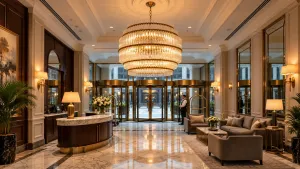
How Crystal Chandelier Lighting Transforms Light, Height and Luxury Interiors
September 23, 2026
-
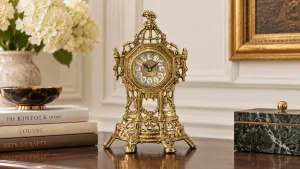
The Art of Choosing a Luxury Table Clock: A Guide to Size, Style & Placement
September 21, 2026
-
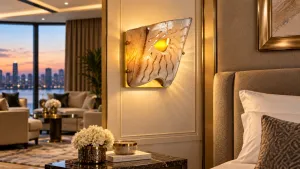
Elegant Wall Lamps: The Secret to Warmer, More Characterful Luxury Interiors
September 21, 2026
-
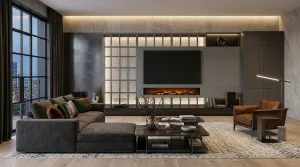
Pairing Luxury TV Units with Living Room Furniture: Create Cohesive Elegance in Modern Homes & Hotel
September 20, 2026
-
CEO Office Design: Desk and Executive Chair Ideas for a High-End Corporate Interior
September 20, 2026
-
How to Choose a Living Room Side Table: 5 Design Rules | The Golden Ratio Guide
September 19, 2026
-
Why Boutique Hotels Are Investing in Classic Marble Statues for Lobbies and Gardens
September 19, 2026