





From Palace to Penthouse: The History & Craftsmanship Behind Hand-Carved Baroque Furniture
Posted by Luxury Group International Design Team / Luxury Baroque Furniture / February 28, 2026
In the world of luxury interior design, few styles command attention quite like baroque furniture. Born in the papal courts of 17th-century Rome and perfected in the opulent palaces of Versailles, baroque style furniture represents the pinnacle of decorative artistry. Today, discerning collectors and luxury homeowners are rediscovering this magnificent aesthetic, bringing museum-quality luxury baroque furniture into contemporary residences and five-star hospitality spaces.
This comprehensive guide explores the rich heritage, meticulous craftsmanship, and enduring appeal of authentic baroque furniture—from its royal origins to its place in modern luxury interiors.
The Royal Origins of Baroque Furniture
Birth of an Aesthetic Revolution
The baroque movement emerged in Rome around 1600, initially as an architectural and artistic response to the Protestant Reformation. The Catholic Church commissioned grand, emotionally stirring works to reinforce its power and glory. This theatrical sensibility quickly spread to furniture design, where baroque style furniture became the ultimate expression of wealth, power, and divine right.
By the mid-17th century, Louis XIV's court at Versailles had transformed baroque into a comprehensive design language. The Sun King employed hundreds of master craftsmen—ébénistes (cabinetmakers), doreurs (gilders), and sculpteurs (sculptors)—to create furniture that proclaimed French supremacy throughout Europe.
Defining Characteristics of Authentic Baroque Furniture
Genuine luxury baroque furniture is distinguished by several unmistakable features:
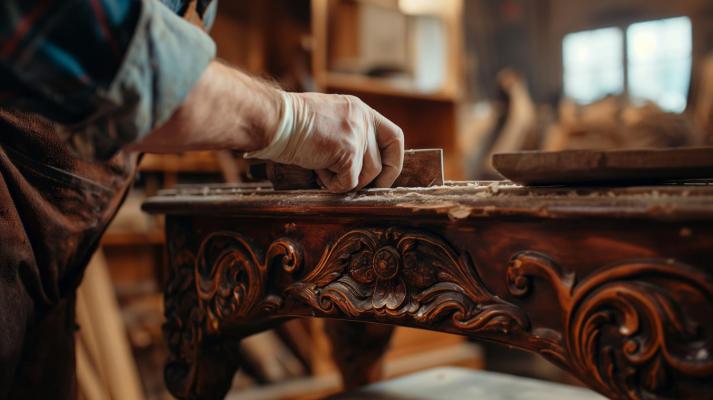
• Elaborate Hand Carving: Master carvers spent months sculpting intricate motifs—acanthus leaves, cherubs, scrollwork, cartouches, and mythological figures—directly into solid hardwoods like walnut, oak, and mahogany.
• Genuine Gold and Silver Leaf: Authentic baroque pieces feature 22-24 karat gold leaf or pure silver leaf applied using centuries-old gilding techniques. This isn't paint—each piece is hand-burnished to a mirror-like finish that captures and reflects light with unmatched brilliance.
• Dramatic Curves and Symmetry: Baroque furniture celebrates movement and theatricality. Cabriole legs, bombé fronts, serpentine curves, and dramatic pediments create pieces that appear to be in motion even while stationary.
• Luxurious Upholstery: Period-appropriate fabrics include silk damasks, cut velvets, brocades, and hand-embroidered tapestries. Modern luxury baroque furniture often incorporates these traditional materials alongside contemporary performance fabrics.
• Marquetry and Inlay: Many baroque pieces feature intricate wood inlays (marquetry) or precious materials like mother-of-pearl, ivory, and semi-precious stones creating pictorial scenes or geometric patterns.
The Craftsmanship Behind Luxury Baroque Furniture
Master Carving: Where Art Meets Furniture
Creating authentic baroque furniture begins with master wood carvers—artisans who have often trained for decades to perfect their craft. Unlike mass-produced furniture where decoration is applied or molded, every detail in genuine baroque pieces is carved by hand directly into solid wood.
The process is painstaking: A single ornate console table can require 200-400 hours of carving. Craftsmen use traditional tools—chisels, gouges, and mallets—working from historical references and original baroque designs. The wood must be carefully selected: only tight-grained, well-seasoned hardwoods can hold the delicate details that define baroque style furniture.
The Ancient Art of Gold Leafing
Perhaps the most distinctive feature of luxury baroque furniture is its brilliant gilding. This centuries-old technique uses gossamer-thin sheets of genuine gold leaf—so delicate that a single breath can send them floating away.
The traditional gilding process unfolds in precise steps:
• Surface Preparation: The carved wood is sealed and coated with multiple layers of gesso (a chalk-based primer) to create a perfectly smooth, non-porous surface.
• Bole Application: A colored clay called bole (traditionally red or yellow) is applied. This serves as both a cushion for the gold and provides undertones that enhance the final appearance.
• Gold Leaf Application: Using a gilder's tip (a special brush), artisans delicately lay 22-24 karat gold leaf sheets onto the slightly moistened surface. Each sheet is barely 0.0001 inches thick.
• Burnishing: After drying, the gold is carefully burnished with agate stones to create that signature mirror-like finish that defines true baroque gilding.
• Patination: Finally, a subtle patina may be applied to highlight carved details and create the appearance of graceful aging—or left brilliant and polished for a more contemporary look.
This labor-intensive process is why authentic gold-leafed baroque furniture commands premium prices—and why it's immediately distinguishable from gold-painted or gold-tone alternatives.
Joinery and Construction: Built for Centuries
Authentic luxury baroque furniture employs traditional joinery techniques that have proven their durability over centuries. Mortise-and-tenon joints, dovetails, and wooden dowels—not screws or staples—hold these pieces together. The same construction methods used in 17th-century royal workshops ensure that today's baroque furniture will become tomorrow's heirlooms.
Iconic Baroque Furniture Pieces for Modern Interiors
Baroque Sofas and Seating
The baroque sofa—whether a grand three-seater or an elegant settee—serves as the centerpiece of any luxury living room. Characteristic features include deeply carved wooden frames with gold or silver leaf finish, cabriole legs terminating in scrolled feet, and sumptuous upholstery in silk damask or crushed velvet.
Modern baroque style furniture often adapts these pieces with contemporary ergonomics: deeper seats, higher backs for proper lumbar support, and performance fabrics that maintain the luxurious appearance while offering practical durability for everyday use.
Baroque Dining Chairs and Armchairs
Perhaps no piece of baroque furniture better demonstrates the style's theatrical flair than the dining chair. Tall backs carved with elaborate crests, ornate stretchers connecting cabriole legs, and upholstered seats in rich fabrics transform dining into a ceremonial experience.
Armchairs—particularly the classic bergère style—offer closed arms and fully upholstered backs, creating intimate seating options for libraries, studies, or master bedrooms.
Baroque Console Tables and Cabinets
Baroque console tables epitomize the style's decorative excess. These showpieces typically feature:
• Dramatically carved aprons and legs, often with mythological figures or cherubs supporting marble tops
• Genuine marble tops in Carrara, Emperador, or other premium stones
• Mirror-finish gold or silver leaf highlighting every carved detail
• Stretchers connecting the legs, often featuring additional carved ornamentation
Large baroque cabinets and armoires—sometimes called schränke in German tradition—serve as architectural elements in their own right, featuring multiple doors, interior drawers, and extensive carved decoration across every surface.
Baroque Mirrors and Decorative Objects
No baroque interior is complete without ornate mirrors. These pieces do double duty: their massive, elaborately carved and gilded frames are sculptural artworks, while their reflective surfaces amplify light and create the illusion of greater space—a trick baroque designers perfected in the Palace of Versailles' famous Hall of Mirrors.
Integrating Baroque Furniture into Contemporary Spaces
The Modern Baroque Renaissance
Today's interior designers are masterfully blending luxury baroque furniture with contemporary spaces, creating interiors that feel both timeless and current. This isn't about recreating Versailles—it's about strategic placement of baroque masterpieces that serve as focal points in otherwise modern settings.
Design Strategies That Work
• The Single Statement Piece: Place one extraordinary baroque element—a gilded console, an ornate mirror, or a magnificent sofa—against neutral contemporary walls. The contrast creates drama without overwhelming the space.
• Monochromatic Baroque: Using baroque furniture in all silver-leaf or all-white finishes creates cohesion while maintaining the ornate carved details that define the style.
• Mixed Periods: Pair baroque style furniture with mid-century modern or contemporary minimalist pieces. The juxtaposition highlights the best qualities of each era.
• Functional Baroque: Modern manufacturers create baroque-inspired furniture with contemporary functionality—dining chairs with proper ergonomics, sofas with USB charging ports, or cabinets with interior LED lighting.
• The Luxe Hospitality Approach: Five-star hotels often anchor contemporary lobbies with baroque seating groups, demonstrating how this furniture creates an immediate impression of luxury and refinement.
Investment Value: Why Baroque Furniture Appreciates
Authentic luxury baroque furniture represents more than decoration—it's a tangible asset. Original 17th and 18th-century baroque pieces command astronomical prices at auction, with museum-quality examples selling for hundreds of thousands or even millions of dollars.
Contemporary hand-crafted baroque furniture from established European workshops follows a similar trajectory. These pieces appreciate in value because:
• Limited Production: Genuine baroque furniture cannot be mass-produced. Each piece requires hundreds of hours of skilled handwork, limiting supply.
• Precious Materials: Real gold and silver leaf, premium hardwoods, and hand-woven fabrics all have intrinsic value that appreciates over time.
• Artisan Skills: As traditional craftsmanship becomes rarer, pieces created by master artisans become increasingly valuable.
• Timeless Design: Unlike trendy contemporary furniture that dates quickly, baroque design has remained desirable for over 400 years—and shows no signs of falling from favor.
Caring for Your Baroque Furniture Investment
Proper maintenance ensures your baroque furniture remains pristine for generations:
• Gold Leaf Care: Dust gently with a soft, dry cloth. Never use water or cleaning solutions on gilded surfaces, as these can damage the delicate gold leaf.
• Wood Preservation: Maintain stable humidity (45-55%) to prevent wood from expanding or contracting. Avoid placing baroque furniture near heating vents or in direct sunlight.
• Upholstery Maintenance: Vacuum upholstered surfaces regularly using a soft brush attachment. Have silk and velvet professionally cleaned annually.
• Professional Restoration: Work only with conservators experienced in antique and baroque furniture for any repairs or restoration needs.
Selecting Authentic Luxury Baroque Furniture
What to Look For
When investing in luxury baroque furniture, authentication is crucial:
• Hand-Carved Details: Examine carved elements closely. Genuine hand carving shows subtle variations and tool marks that distinguish it from molded resin or CNC-machined reproductions.
• Genuine Leaf vs. Paint: Real gold and silver leaf has depth and luminosity that metallic paint cannot replicate. Ask for documentation confirming karat purity.
• Solid Wood Construction: Authentic pieces use solid hardwoods, not veneer over particleboard or MDF. Check undersides and backs for construction quality.
• Traditional Joinery: Look for mortise-and-tenon joints, dovetails, and wooden dowels rather than screws, staples, or glue-only construction.
• Provenance: Reputable makers provide documentation of materials, manufacturing techniques, and often workshop photographs showing the creation process.
European Workshop Heritage
The finest contemporary baroque style furniture comes from European workshops with centuries of furniture-making tradition. These manufacturers maintain the same standards and techniques that produced the original baroque masterpieces, employing artisans trained through traditional apprenticeship systems that preserve historical knowledge.
Conclusion: The Enduring Allure of Baroque Magnificence
Baroque furniture represents the zenith of decorative arts—a perfect marriage of artistic vision, master craftsmanship, and precious materials. From its origins in papal Rome and royal Versailles to its current place in the world's most prestigious residences and luxury hotels, luxury baroque furniture continues to captivate and inspire.
Whether you're furnishing a grand estate, designing a boutique hotel, or simply seeking that one extraordinary piece that will anchor your living room, authentic baroque style furniture offers unmatched presence, proven investment value, and the rare satisfaction of owning furniture that's genuinely built to last for centuries.
In an age of disposable furniture and mass production, choosing baroque is choosing permanence, artistry, and heritage. It's bringing home a piece of European royal history—and creating your own legacy to pass down through generations.
Discover Authentic Luxury Baroque Furniture at Luxury Group International
At Luxury Group International, we specialize in museum-quality baroque furniture entirely handcrafted by European master artisans. Every piece in our collection features genuine gold or silver leaf, hand-carved solid hardwood, and traditional joinery techniques—the same methods used in royal workshops centuries ago.
Explore our curated collections of baroque sofas, dining chairs, console tables, mirrors, and complete living room suites. With over 200 fabric and finish options, we can create bespoke pieces tailored to your exact specifications.
Visit luxurygroupint.shop to explore our collections, or contact our design consultants for personalized guidance in selecting baroque furniture that will define your space for generations.
RECENT POSTS
-
The Art of Entertaining: How Luxury Bar Furniture Transforms Sophisticated Interiors
September 24, 2026
-
The New Art of Rest: Curating a Wellness-Focused Luxury Bedroom
September 24, 2026
-
Framed Prints That Bring Effortless European Elegance to Apartment Interiors
September 23, 2026
-

How Crystal Chandelier Lighting Transforms Light, Height and Luxury Interiors
September 23, 2026
-
The Art of Choosing a Luxury Table Clock: A Guide to Size, Style & Placement
September 21, 2026
-
Elegant Wall Lamps: The Secret to Warmer, More Characterful Luxury Interiors
September 21, 2026
-
Pairing Luxury TV Units with Living Room Furniture: Create Cohesive Elegance in Modern Homes & Hotel
September 20, 2026
-
CEO Office Design: Desk and Executive Chair Ideas for a High-End Corporate Interior
September 20, 2026
-
How to Choose a Living Room Side Table: 5 Design Rules | The Golden Ratio Guide
September 19, 2026
-
Why Boutique Hotels Are Investing in Classic Marble Statues for Lobbies and Gardens
September 19, 2026