





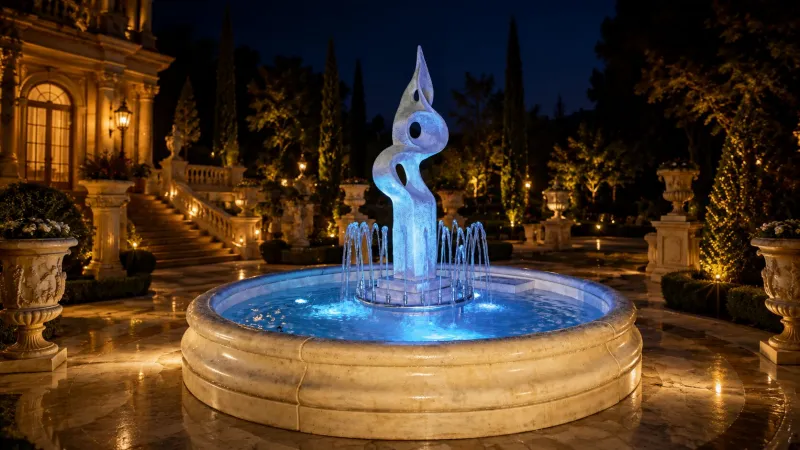
From Royal Courts to Private Villas: The Enduring Allure of Baroque Fountains
Posted by Luxury Group International Design Team / Garden Decoration / July 22, 2026
A garden can be beautiful without being memorable. Yet the moment water begins to spill from a sculpted shell, cascade over carved stone, or rise beside a dramatic mythological figure, the entire landscape changes. It starts to feel theatrical, historic and deeply personal.
This is the lasting power of the baroque fountain. Once created to impress kings, nobles and visiting dignitaries, these elaborate water features are now returning to European villas, luxury hotels and private estates. Their comeback is not simply about decoration. It reflects a growing desire for gardens with identity, craftsmanship and a sense of permanence.
Why Baroque Fountains Were Designed to Impress
Baroque design emerged in Europe during the seventeenth century, when architecture, sculpture and landscape planning became powerful expressions of wealth and authority. Palace gardens were no longer quiet green spaces. They were carefully staged experiences.
Fountains became central to this visual drama. Curved basins, muscular figures, decorative scrolls, lion heads, cherubs and tiered compositions transformed moving water into living sculpture.
At Versailles, grand water displays reinforced the magnificence of the royal court. Across Italy, France and other parts of Europe, the baroque fountain became a symbol of artistic ambition and social prestige. Owning an elaborate antique fountain suggested access to skilled craftsmen, substantial land and advanced water engineering.
A Brief Baroque Fountain Timeline
1600–1650: Theatrical Beginnings
Italian designers introduced energetic sculpture, dramatic movement and mythological storytelling into public squares and palace gardens.
1650–1720: The Royal Garden Era
Monumental fountains became focal points within formal European landscapes, particularly in France and Italy.
1720–1800: Decorative Refinement
Baroque forms evolved into lighter Rococo styles, with shells, floral motifs, cherubs and more intimate garden compositions.
1800–1900: The Grand Revival
Historic estates and wealthy homeowners rediscovered classical and Baroque-inspired garden decoration.
Today: Heritage Reimagined
Modern villas, boutique hotels and luxury landscapes are embracing sculptural fountains as statement pieces with timeless appeal.
This journey explains why baroque garden fountain history continues to influence contemporary outdoor design.
Why Baroque Fountains Are Making a Comeback
Modern luxury is becoming more individual. Buyers are moving away from anonymous outdoor spaces and seeking pieces that communicate character.
A baroque fountain immediately creates a visual centre. It can anchor a courtyard, complete a symmetrical garden, enrich a hotel entrance or bring romance to a secluded terrace. Unlike temporary garden trends, it feels established from the moment it is installed.
The sound of flowing water also softens the atmosphere. It masks distant traffic, introduces movement and encourages guests to slow down. This combination of sculpture, sound and heritage makes luxury fountains especially appealing for refined European properties.
Choosing the Right Fountain for Your Garden
Scale should be the first consideration. A tall, multi-tiered fountain suits a formal lawn, circular driveway or hotel courtyard. A wall-mounted antique fountain works beautifully in smaller patios, enclosed gardens and Mediterranean-style terraces.
Material and finish are equally important. Weathered stone creates an authentic aged appearance, while pale finishes feel elegant and architectural. Bronze-effect details can add warmth and contrast.
For balanced garden decoration, position the fountain along a strong sightline. Frame it with clipped hedges, stone pathways, classical urns or symmetrical planting. Evening lighting placed below or behind the fountain will emphasise carved details and moving water.
Bring Historic Grandeur Home
The revival of luxury fountains proves that heritage design can still feel exciting. A carefully chosen baroque fountain does more than decorate a landscape. It gives the garden a story, a sense of ceremony and an atmosphere associated with Europe’s most admired estates.
Shop the Style
Explore our Baroque fountain range and discover sculptural centrepieces designed for luxury gardens, private villas, prestigious hotels and elegant outdoor spaces.
RECENT POSTS
-
The Art of Entertaining: How Luxury Bar Furniture Transforms Sophisticated Interiors
September 24, 2026
-
The New Art of Rest: Curating a Wellness-Focused Luxury Bedroom
September 24, 2026
-
Framed Prints That Bring Effortless European Elegance to Apartment Interiors
September 23, 2026
-
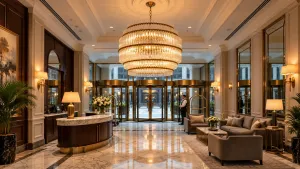
How Crystal Chandelier Lighting Transforms Light, Height and Luxury Interiors
September 23, 2026
-
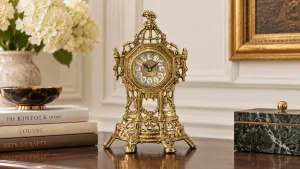
The Art of Choosing a Luxury Table Clock: A Guide to Size, Style & Placement
September 21, 2026
-
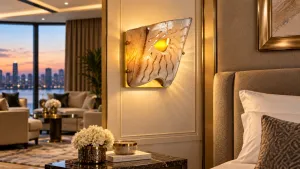
Elegant Wall Lamps: The Secret to Warmer, More Characterful Luxury Interiors
September 21, 2026
-
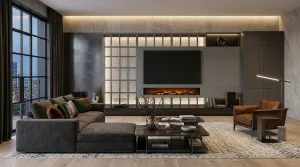
Pairing Luxury TV Units with Living Room Furniture: Create Cohesive Elegance in Modern Homes & Hotel
September 20, 2026
-
CEO Office Design: Desk and Executive Chair Ideas for a High-End Corporate Interior
September 20, 2026
-
How to Choose a Living Room Side Table: 5 Design Rules | The Golden Ratio Guide
September 19, 2026
-
Why Boutique Hotels Are Investing in Classic Marble Statues for Lobbies and Gardens
September 19, 2026