





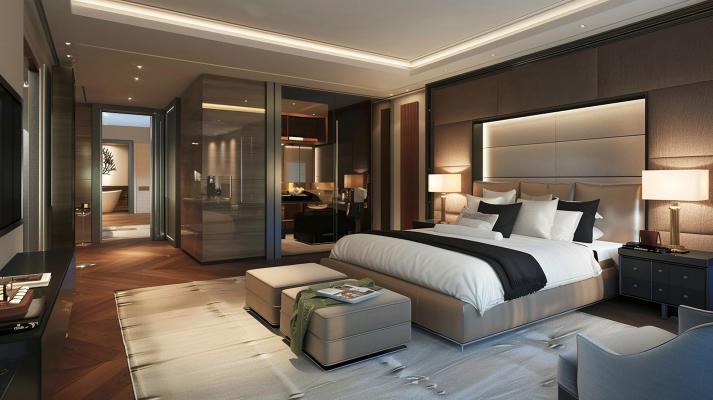
How Bedroom Furniture Placement Influences Sleep and Relaxation
Posted by Luxury Group International Design Team / Luxury Bedroom Furniture / January 19, 2026
A beautifully designed bedroom is more than a visual statement—it is a space that quietly shapes how well you rest, recover, and wake up each day. While materials, colors, and textures play an important role, one factor is often underestimated: bedroom furniture placement for better sleep.
The way furniture is arranged affects spatial flow, balance, and even subconscious comfort cues. For those investing in luxury bedroom furniture or thoughtfully curated elegant bedroom furniture, placement is not just a design choice—it is a wellness decision. Understanding how layout influences relaxation can transform your bedroom from a stylish room into a restorative retreat.
Why Furniture Placement Matters More Than You Think
Sleep is deeply connected to how safe, calm, and uncluttered a space feels. Our brains constantly read spatial signals, even when we are not consciously aware of them. Tight pathways, visual clutter, or poorly positioned furniture can create subtle tension that interferes with relaxation.
Proper furniture placement encourages:
- • A sense of order and control
- • Easy movement without obstruction
- • Visual balance that feels calming rather than stimulating
In a bedroom, where the goal is rest, these cues become especially important.
The Bed: Anchoring the Room for Psychological Comfort
The bed is the emotional and visual center of the bedroom. Its placement has the strongest influence on sleep quality.
Ideally, the bed should be positioned where it feels grounded and protected. This usually means:
- • A solid wall behind the headboard
- • Clear visibility of the entrance without being directly in line with the door
- • Space on both sides for symmetry and ease of movement
When luxury bedroom furniture is arranged symmetrically around the bed—matching nightstands, balanced lighting—the result is a sense of stability. This balance subconsciously signals safety, allowing the body to relax more fully at night.
Creating Clear Pathways for Calm Movement
Cluttered or awkward movement paths can subtly increase stress levels. If you have to navigate around furniture or squeeze through narrow gaps, your body remains in a low state of alertness—even in a resting environment.
Thoughtful bedroom furniture placement for better sleep prioritizes flow:
- • Walkways should feel natural and unobstructed
- • Large furniture should not block doors or windows
- • The path from bed to bathroom or closet should be intuitive
Elegant bedroom furniture often features generous proportions, making placement even more important. Giving each piece enough breathing space prevents the room from feeling crowded and mentally overwhelming.
Nightstands, Lighting, and the Sense of Balance
Small details often have a large impact on relaxation. Nightstands and lighting should support calm routines rather than disrupt them.
Balanced placement is key:
- • Nightstands at a comfortable height relative to the bed
- • Lamps positioned to provide soft, indirect light
- • Avoid harsh overhead lighting directly above the sleeping area
Soft, evenly distributed lighting creates a visual rhythm that signals the body to slow down. This is especially effective when paired with luxury bedroom furniture finishes that reflect light gently rather than sharply.
Storage Placement: Reducing Visual Noise
Storage is essential, but poorly placed storage can add visual weight to the room.
Large wardrobes, dressers, or armoires should not dominate the sleeping area. Ideally:
- • Storage pieces are placed along walls rather than near the bed
- • Tall furniture is balanced visually with artwork or lighting
- • Open storage is minimized to reduce visual clutter
Elegant bedroom furniture often emphasizes clean lines and refined proportions. When storage is thoughtfully positioned, it supports a sense of calm order—an important factor for mental relaxation before sleep.
Mirrors, Seating, and Secondary Furniture
Additional furniture should enhance comfort, not distract from it.
Seating, such as a bench or lounge chair, works best when placed away from the head of the bed. This creates a subtle separation between rest and activity zones within the room.
Mirrors should be positioned carefully. While they add light and depth, mirrors facing the bed can feel stimulating for some sleepers. Placing them to reflect natural light rather than movement often results in a more restful atmosphere.
Spatial Balance and Subconscious Comfort
Luxury bedrooms often feel calming not because they are minimal, but because they are balanced. Balance does not mean symmetry everywhere—it means visual harmony.
This includes:
- • Even distribution of visual weight
- • Consistent spacing between furniture pieces
- • A clear focal point, usually the bed
When a room feels balanced, the mind does not work to “correct” it. This mental ease supports deeper relaxation and more restful sleep.
When Design Supports Better Sleep
Good bedroom design does not demand attention—it quietly supports well-being. When luxury bedroom furniture is placed with intention, it enhances comfort rather than competing with it. The room feels composed, calm, and welcoming at the end of the day.
This is where elegant bedroom furniture truly shines. Its refined presence, paired with thoughtful placement, creates an environment where relaxation comes naturally.
Conclusion: Designing for Rest, Not Just Style
Bedroom furniture placement is not merely a styling exercise—it is a powerful influence on how well you sleep and unwind. By focusing on spatial flow, balance, and subconscious comfort cues, you can create a bedroom that feels as good as it looks.
Whether redesigning a space or investing in luxury bedroom furniture, thoughtful placement turns elegance into everyday well-being. In the end, a bedroom designed for rest is one of the most valuable investments you can make—because better sleep improves everything that follows.
RECENT POSTS
-

The Art of Hospitality on Wheels: How Luxury Trolleys Elevate Boutique Hotel Experiences
September 25, 2026
-

The Art of Grandeur: How Baroque Coffee Tables Transform Luxury Living Spaces
September 25, 2026
-
The Art of Entertaining: How Luxury Bar Furniture Transforms Sophisticated Interiors
September 24, 2026
-
The New Art of Rest: Curating a Wellness-Focused Luxury Bedroom
September 24, 2026
-
Framed Prints That Bring Effortless European Elegance to Apartment Interiors
September 23, 2026
-

How Crystal Chandelier Lighting Transforms Light, Height and Luxury Interiors
September 23, 2026
-
Sculptural Illumination: How Contemporary Floor Lamps Are Becoming Modern Art Statements
September 22, 2026
-

The Art of Choosing a Luxury Table Clock: A Guide to Size, Style & Placement
September 21, 2026
-
Elegant Wall Lamps: The Secret to Warmer, More Characterful Luxury Interiors
September 21, 2026
-
Pairing Luxury TV Units with Living Room Furniture: Create Cohesive Elegance in Modern Homes & Hotel
September 20, 2026