





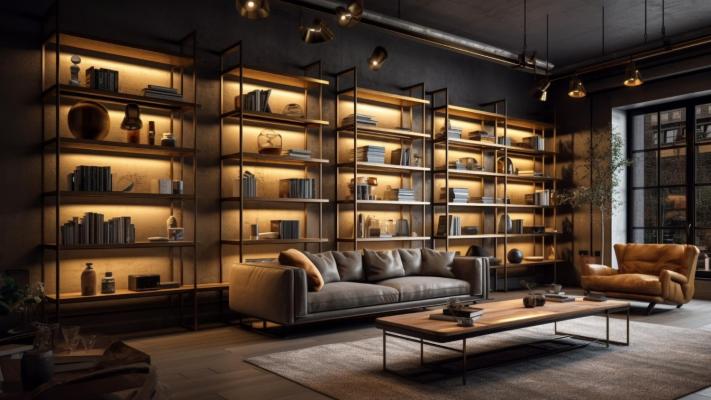
How to Style Luxury Shelves the Way European Interior Designers Actually Do It
Posted by Luxury Group International Design Team / Living Room Decoration / February 27, 2026
The difference between a shelf that impresses and one that truly elevates a room lies not in what you place on it — but in how you think about it.Walk into any beautifully curated apartment in Paris, a countryside villa in Tuscany, or a design-forward home in Copenhagen, and you will notice something immediately. The shelves never look accidental. Every object feels considered, every gap intentional, every surface quietly confident. This is not luck. It is the result of a very particular design philosophy that European interior designers have refined over generations — and it is one you can absolutely bring into your own home.
Here is exactly how they do it.
Start With the Shelf Itself
Before a single object is placed, the foundation must be right. European designers will tell you that luxury shelves are never an afterthought. They are chosen with the same seriousness as a sofa or a dining table. The material, finish, proportion, and how the shelf integrates with the surrounding architecture — all of this is decided first.In high-end European interiors, you will consistently see shelving in aged oak, lacquered walnut, hand-patinated metal, or stone-edged floating designs. These are materials that carry weight and character. They signal permanence. If your shelving feels temporary or purely functional, no amount of careful styling will fully rescue it. Invest in the structure first — it sets the entire tone for what follows.
Edit Ruthlessly — Then Edit Again
The single biggest mistake most people make when styling shelves is putting too much on them. European designers operate by a different rule: when in doubt, take something away.Luxury home decor is never about abundance. It is about selection. A shelf styled by a Milanese designer might hold just three or four objects — but each one will be extraordinary. A single ceramic vessel. A stack of cloth-bound books. A sculptural object in an unexpected material. The space between these items is not emptiness — it is breathing room, and it is what makes each piece feel significant rather than crowded.
Before you begin styling, gather everything you are considering and lay it out. Then remove half. You will almost certainly be closer to the right answer.
Anchor With a Statement Piece
Every well-styled shelf needs an anchor — one object that commands attention and gives the eye somewhere to land. In the finest European homes, this role is most often filled by a luxury bronze sculpture.Bronze has been the material of serious collectors and discerning decorators for centuries, and its appeal has never diminished. It carries history and warmth in a way that no resin or composite can replicate. A well-chosen bronze figure, abstract form, or decorative object placed on a shelf immediately elevates everything around it. It signals taste, knowledge, and a confidence that is entirely in keeping with the European luxury interior tradition.
When positioning your anchor piece, place it slightly off-centre rather than dead in the middle. This creates natural visual tension and makes the arrangement feel curated rather than symmetrical and stiff.
Layer Height, Texture, and Material
Once your anchor is placed, the rest of the shelf is built around it through contrast. European designers think in terms of layers — tall against low, rough against smooth, matte against reflective.A tall bronze sculpture sits beside a low, wide ceramic bowl. A stack of art books in linen covers sits beneath a slender glass vase. A section of bare shelf sits deliberately empty next to a richly textured object. This rhythm of contrast is what gives a shelf visual movement and stops it from feeling flat.
Material variety is equally important. Mixing wood, metal, ceramic, glass, and natural stone creates depth that a single-material approach simply cannot achieve. Each material catches light differently throughout the day, meaning your shelf subtly shifts in character from morning to evening — which is precisely what the finest luxury living room furniture and decor always does.
Connect the Shelf to the Room
A shelf does not exist in isolation. The most accomplished European designers always style shelves in dialogue with the rest of the room. The tones on your shelves should echo colours found in your upholstery, rugs, or artwork. The materials should complement what is already present in the space.If your luxury living room furniture leans toward warm, dark woods and aged metals, your shelf styling should speak the same language — perhaps through amber glass, bronze objects, and deep-toned books. If your room is cool and minimal, carry that restraint onto the shelf with pale ceramics, brushed steel, and carefully considered negative space.
This coherence is what separates a beautifully styled shelf from one that merely looks styled.
The Final Check
When European designers finish styling a shelf, they do one last thing. They step back — far enough to see the shelf as part of the whole room, not as a standalone feature. They look at it from the doorway. They consider it in the context of natural light, of the furniture below it, of the artwork beside it.This is the moment of honest editing. Does it feel like it belongs? Does it look as though it was always meant to be exactly this way?
That effortless quality — that sense of things simply being right — is the true mark of luxury home decor done well. It takes thought, patience, and a willingness to trust restraint over abundance.
That, more than anything else, is what European designers understand that most others do not.
Great shelves are not decorated. They are composed.
RECENT POSTS
-
The Art of Hospitality on Wheels: How Luxury Trolleys Elevate Boutique Hotel Experiences
September 25, 2026
-
The Art of Grandeur: How Baroque Coffee Tables Transform Luxury Living Spaces
September 25, 2026
-
The Art of Entertaining: How Luxury Bar Furniture Transforms Sophisticated Interiors
September 24, 2026
-
The New Art of Rest: Curating a Wellness-Focused Luxury Bedroom
September 24, 2026
-
Framed Prints That Bring Effortless European Elegance to Apartment Interiors
September 23, 2026
-

How Crystal Chandelier Lighting Transforms Light, Height and Luxury Interiors
September 23, 2026
-
Sculptural Illumination: How Contemporary Floor Lamps Are Becoming Modern Art Statements
September 22, 2026
-

The Art of Choosing a Luxury Table Clock: A Guide to Size, Style & Placement
September 21, 2026
-
Elegant Wall Lamps: The Secret to Warmer, More Characterful Luxury Interiors
September 21, 2026
-
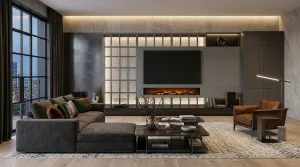
Pairing Luxury TV Units with Living Room Furniture: Create Cohesive Elegance in Modern Homes & Hotel
September 20, 2026