





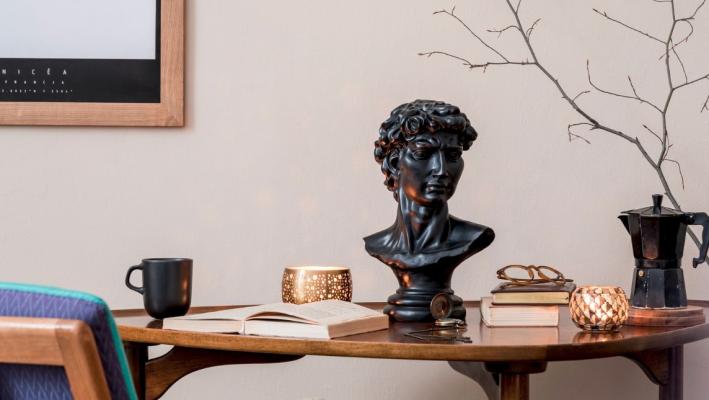
Investment or Decoration? The True Value of Owning a Luxury Sculpture
Posted by Luxury Group International Design Team / Luxury Sculptures / February 19, 2026
In Europe’s most refined residences and prestigious hotels, luxury sculptures do far more than fill empty corners. They command attention, shape atmosphere, and communicate identity. Yet for discerning buyers, an important question often lingers beneath the surface: are these pieces purely decorative, or do they represent a meaningful financial investment?The debate between art as passion and art as portfolio is not new. However, in today’s evolving European market—where design sophistication meets financial awareness—the conversation around luxury sculptures, classic sculptures, and luxury statues has gained renewed relevance. Understanding their true value requires looking beyond aesthetics and into craftsmanship, rarity, and long-term appreciation potential.
The Emotional and Aesthetic Value of Luxury Sculptures
At first glance, luxury sculptures transform a space visually. A grand bronze figure in a Parisian townhouse entrance creates a sense of authority. A contemporary marble form in a Milanese penthouse introduces elegance and restraint. In boutique hotels across Europe, carefully selected luxury statues establish a signature atmosphere guests remember.
Unlike paintings, sculpture occupies physical space. It interacts with light, shadow, and architecture. This three-dimensional presence is why many collectors favor classic sculptures for formal interiors and gardens, while contemporary buyers lean toward abstract fine art sculpture for modern living rooms.
From a purely decorative standpoint, luxury sculptures elevate interiors by:
- Anchoring large, open-plan spaces
- Creating a focal point in minimalist settings
- Reinforcing brand identity in luxury hospitality
- Expressing cultural sophistication in private estates
Is Luxury Sculpture a Good Investment?
The central question—is luxury sculpture a good investment—deserves a nuanced answer.
According to European art market analysts, three key factors influence whether luxury sculptures appreciate in value:
- Artist Reputation – Established or emerging artists with growing institutional recognition often see price appreciation.
- Edition Size – A limited edition sculpture typically retains stronger value than open-edition works.
- Material & Craftsmanship – Bronze, marble, and hand-finished resin works generally outperform mass-produced pieces.
However, not every decorative piece becomes an appreciating investment. The distinction lies in rarity, provenance, and long-term desirability.
The Role of Limited Editions in Value Retention
When reviewing a buying limited edition sculpture guide, one principle stands out: scarcity drives value.
A limited edition sculpture produced in an edition of 8 or 12 carries far more exclusivity than a production run of 200. In Europe’s collector market, edition transparency is critical. Certificates of authenticity, artist signatures, and documented casting numbers influence both prestige and resale confidence.
In cities such as London, Paris, and Berlin, reputable galleries emphasize limited editions precisely because they protect sculpture resale value in Europe. Collectors know that scarcity often leads to stronger long-term demand.
For hospitality buyers, the equation may differ slightly. Hotels often prioritize visual impact and brand storytelling. Yet even in that context, investing in a recognized artist’s fine art sculpture can enhance the property’s cultural credibility.
Sculpture Resale Value in Europe: What Buyers Should Know
When evaluating sculpture resale value in Europe, it is important to understand market dynamics.
European secondary art markets—particularly in the UK, France, Germany, and Italy—demonstrate consistent appetite for high-quality bronze and marble works. Auction data suggests that works by mid-career sculptors with established gallery representation perform steadily, while blue-chip names outperform significantly.
Key considerations for resale potential include:
- Provenance documentation
- Condition and restoration history
- Edition number (lower numbers often attract premium pricing)
- Market demand trends
Classic Sculptures vs Contemporary Luxury Statues
Another important debate concerns style. Do classic sculptures appreciate more than contemporary works?
Historically inspired luxury statues—especially bronze figures echoing neoclassical themes—maintain timeless appeal in European estates. Their aesthetic longevity often supports steady resale interest.
Contemporary luxury sculptures, particularly abstract or conceptual forms, can offer higher growth potential if the artist gains prominence. However, they also carry greater market volatility.
In other words:
- Classic forms offer stability and timeless demand.
- Contemporary works may offer stronger appreciation—but higher risk.
Passion vs Portfolio: What Should Guide Your Purchase?
Ultimately, the debate between investment and decoration should not force a rigid choice. Experienced collectors often blend both motivations.
When acquiring luxury sculptures, consider asking:
- Does this piece resonate emotionally?
- Is the artist’s reputation growing?
- Is the edition size limited and well-documented?
- Will it maintain visual relevance in ten years?
Experts frequently advise that art purchases should first bring personal satisfaction. Financial appreciation should be viewed as a potential benefit, not the sole objective. In European luxury markets, buyers who prioritize craftsmanship and authenticity often make the most enduring acquisitions.
The True Value of Luxury Sculptures
So, are luxury sculptures investment assets or decorative masterpieces?
The answer lies in perspective.
For private homeowners in Europe, luxury statues often become emotional heirlooms—pieces that define family residences for generations. For hospitality investors, they serve as experiential anchors that elevate brand prestige. For seasoned collectors, carefully selected limited edition sculpture acquisitions can indeed contribute to portfolio diversification.
The most successful buyers understand that true value is layered. Luxury sculptures combine artistry, heritage, material excellence, and potential appreciation. They are at once aesthetic statements and tangible assets.
In the end, the debate itself reflects the sophistication of the modern European collector. Ownership is not merely about display—it is about discernment.
Whether you approach the market guided by passion, investment strategy, or both, one truth remains: exceptional luxury sculptures possess the rare ability to enhance spaces today while holding the promise of tomorrow.
If this perspective resonated with you, consider sharing it with fellow collectors or hospitality designers. The conversation around art’s true value deserves thoughtful voices—and perhaps your next acquisition will contribute to it.
RECENT POSTS
-

The Art of Hospitality on Wheels: How Luxury Trolleys Elevate Boutique Hotel Experiences
September 25, 2026
-
The Art of Grandeur: How Baroque Coffee Tables Transform Luxury Living Spaces
September 25, 2026
-
The Art of Entertaining: How Luxury Bar Furniture Transforms Sophisticated Interiors
September 24, 2026
-
The New Art of Rest: Curating a Wellness-Focused Luxury Bedroom
September 24, 2026
-
Framed Prints That Bring Effortless European Elegance to Apartment Interiors
September 23, 2026
-

How Crystal Chandelier Lighting Transforms Light, Height and Luxury Interiors
September 23, 2026
-
Sculptural Illumination: How Contemporary Floor Lamps Are Becoming Modern Art Statements
September 22, 2026
-
The Art of Choosing a Luxury Table Clock: A Guide to Size, Style & Placement
September 21, 2026
-
Elegant Wall Lamps: The Secret to Warmer, More Characterful Luxury Interiors
September 21, 2026
-

Pairing Luxury TV Units with Living Room Furniture: Create Cohesive Elegance in Modern Homes & Hotel
September 20, 2026