





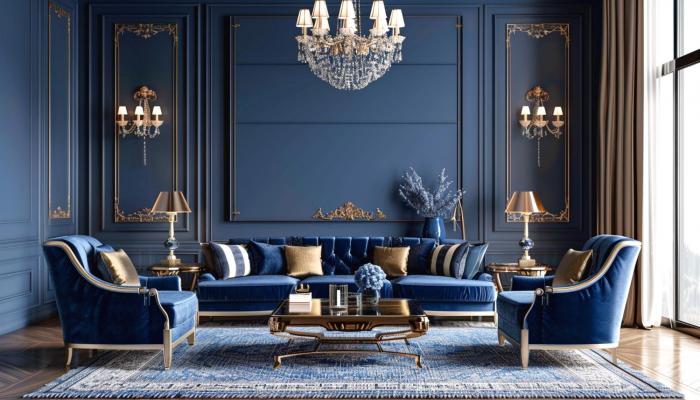
Is Luxury Furniture Worth the Investment? Cost vs Long-Term Value
Posted by Luxury Group International Design Team / Living Room Furniture / January 16, 2026
The question “is luxury furniture worth the investment” often arises at the exact moment a buyer pauses before clicking add to cart. The price difference between fast furniture and luxury furniture can feel dramatic at first glance. One option promises instant style at a low cost, while the other demands patience, commitment, and a higher upfront spend.
But furniture is not a disposable decision. It is something you live with every day—something that shapes how your home feels, functions, and ages with you. When you look beyond the price tag and examine ownership over years rather than months, the conversation shifts from cost to value.
This article addresses buyer hesitation directly, comparing fast furniture with long-term ownership logic. By the end, you’ll be able to decide—clearly and confidently—whether high end furniture is an indulgence or a smart investment.
Understanding the True Meaning of Cost
Most people define cost as the amount paid at checkout. In reality, cost is cumulative.
Fast furniture appears affordable because the initial price is low. However, when a sofa loses shape in two years, a dining table warps, or finishes chip beyond repair, replacement becomes inevitable. Each replacement silently adds to the true cost.
Luxury furniture, on the other hand, concentrates cost upfront. It asks you to invest once—often with the expectation that the piece will last a decade or longer. When you calculate cost per year instead of cost per item, the financial logic becomes more balanced than it first appears.
Fast Furniture vs Lifetime Ownership: A Practical Comparison
Fast Furniture: Designed for Short Cycles
Fast furniture is built to meet trends quickly and inexpensively. Common characteristics include:
- Lightweight frames
- Lower-density foam
- Thin veneers or composite materials
- Short design life aligned with fashion cycles
This type of furniture often performs well visually for a short time. However, structural fatigue, sagging cushions, loose joints, and surface damage usually appear sooner than expected.
Luxury Furniture: Designed for Longevity
Luxury furniture is created with a fundamentally different philosophy:
- Solid hardwood frames
- Higher-density cushioning that retains shape
- Hand-finished surfaces
- Construction methods that prioritize strength and repairability
Rather than being replaced, these pieces are meant to be maintained, reupholstered, or refinished—extending their usable life dramatically.
Cost Per Year: The Metric Most Buyers Ignore
Let’s consider a simplified example.
A fast furniture sofa costing €1,200 lasts around 3 years before needing replacement. Over 12 years, you may buy four sofas, spending €4,800.
A luxury sofa costing €4,500 lasts 12–15 years with proper care, often longer.
When broken down annually:
- Fast furniture: €400 per year- Luxury furniture: approximately €300–375 per year
Suddenly, the investment looks less extravagant and more strategic.
This is the moment many buyers realize that luxury furniture is not about excess—it is about reducing waste, inconvenience, and repeat spending.
Quality You Can Feel Every Day
One of the most overlooked aspects of furniture investment is daily experience.
Luxury seating supports the body better. High-quality upholstery feels different under your hands. Tables feel stable and grounded. Drawers close smoothly without resistance. These details may seem subtle, but they accumulate into a noticeable improvement in everyday living.
With high end furniture, comfort does not deteriorate quickly. What you enjoy on day one is close to what you experience years later. This consistency has real value—especially in spaces used daily like living rooms and dining areas.
Design Longevity vs Trend Fatigue
Fast furniture often follows aggressive trend cycles. Colors, shapes, and finishes are designed to feel current now, not timeless later. As styles shift, the furniture begins to feel outdated—even if it is still functional.
Luxury furniture typically avoids extreme trends. Its design language focuses on proportion, balance, and craftsmanship rather than novelty. This restraint allows it to adapt to evolving interiors instead of clashing with them.
A well-chosen luxury piece can move between homes, renovations, and design updates without losing relevance.
Emotional Value and Lifestyle Impact
Furniture is not purely functional—it influences how you feel in your space.
Luxury furniture often creates:
- A sense of calm and permanence
- Pride of ownership
- Emotional attachment that discourages careless replacement
People rarely form emotional bonds with disposable furniture. Luxury pieces, however, often become part of personal history—associated with milestones, gatherings, and everyday rituals.
This emotional durability is impossible to quantify, yet deeply influences perceived value over time.
Sustainability: An Investment Beyond Yourself
Sustainability is no longer optional in purchasing decisions.
Fast furniture contributes significantly to landfill waste due to short lifespans and limited recyclability. Luxury furniture, by contrast, aligns naturally with sustainable ownership:
- Longer product life
- Fewer replacements
- Repair and restoration instead of disposal
Choosing luxury furniture can be an environmentally responsible decision—especially when evaluated over decades rather than seasons.
Maintenance vs Replacement: A Smarter Ownership Model
Fast furniture is rarely designed to be repaired. Once damage occurs, replacement is often the only option.
Luxury furniture encourages a different mindset:
- Upholstery can be refreshed
- Wood surfaces can be refinished
- Hardware can be replaced
This repair-first approach protects your initial investment and keeps the piece relevant far longer than mass-produced alternatives.
Who Should Invest in Luxury Furniture?
Luxury furniture may be especially worthwhile if you:
- Plan to stay in your home long-term
- Value comfort and craftsmanship
- Prefer fewer, better-made pieces
- Want to reduce repeat purchases
- Care about sustainability and lasting design
If your lifestyle involves frequent moves or temporary living situations, selective investment—rather than full commitment—may be more practical.
Common Misconceptions About Luxury Furniture
“Luxury furniture is just about branding.”
True luxury focuses on materials, construction, and longevity—not logos.
“It’s only for large homes.”
Even small spaces benefit from fewer, higher-quality pieces that define the room.
“It’s too risky to spend that much.”
Risk is often higher when furniture needs replacing every few years.
Final Verdict: Is Luxury Furniture Worth the Investment?
When evaluated through short-term spending, luxury furniture can feel expensive. When evaluated through long-term ownership, it often proves economical, sustainable, and emotionally rewarding.
The real question is not how much does it cost today, but how many times will you need to replace it tomorrow.
For buyers seeking permanence, comfort, and thoughtful design, the answer to is luxury furniture worth the investment is increasingly clear: yes—not as an indulgence, but as a smarter way to live.
Luxury furniture is not about buying more.
It is about buying once—and living better for years to come.
RECENT POSTS
-
The Art of Hospitality on Wheels: How Luxury Trolleys Elevate Boutique Hotel Experiences
September 25, 2026
-
The Art of Grandeur: How Baroque Coffee Tables Transform Luxury Living Spaces
September 25, 2026
-
The Art of Entertaining: How Luxury Bar Furniture Transforms Sophisticated Interiors
September 24, 2026
-
The New Art of Rest: Curating a Wellness-Focused Luxury Bedroom
September 24, 2026
-
Framed Prints That Bring Effortless European Elegance to Apartment Interiors
September 23, 2026
-
How Crystal Chandelier Lighting Transforms Light, Height and Luxury Interiors
September 23, 2026
-
Sculptural Illumination: How Contemporary Floor Lamps Are Becoming Modern Art Statements
September 22, 2026
-
The Art of Choosing a Luxury Table Clock: A Guide to Size, Style & Placement
September 21, 2026
-
Elegant Wall Lamps: The Secret to Warmer, More Characterful Luxury Interiors
September 21, 2026
-
Pairing Luxury TV Units with Living Room Furniture: Create Cohesive Elegance in Modern Homes & Hotel
September 20, 2026