





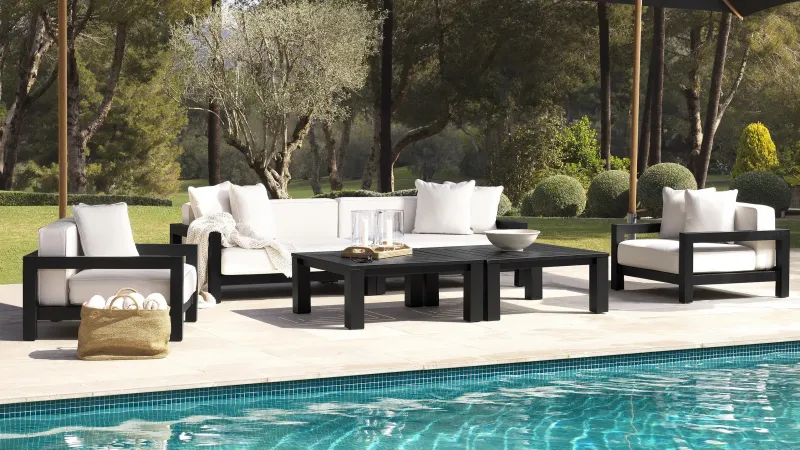
Is Your Luxury Outdoor Furniture Fading? UV, Covers and Placement
Posted by Lukas Berger / Luxury Outdoor Furniture / September 18, 2026
You spent a good chunk of money on that beautiful outdoor sofa. The cushions were perfect. The teak looked rich and warm. The whole setup made your patio feel like a resort. And then, a few months later, you noticed it. The colour looked a little tired. Maybe the arms of the chairs felt chalky. Or the once-deep green pillows now look like they have been washed a hundred times.
If this sounds familiar, you are not alone. Fading is the number one complaint people have about outdoor furniture, even the expensive kind. The good news is that sun damage is not inevitable. It is not even that hard to prevent, once you understand what is actually happening out there on your deck.
Let’s break it down in plain English. No jargon, no lecture. Just real talk about why your furniture is fading, and what you can do about it starting this weekend.
Why the Sun Is So Hard on Outdoor Furniture
Sunlight feels warm and lovely on your skin, but it is basically a slow-motion wrecking ball for anything left outside. The part that does the damage is called ultraviolet light, or UV. You cannot see it, but it is there every single day, even when it is cloudy.
UV rays break down the chemical bonds in dyes and finishes. Think of it like this: the colour in your cushion fabric is made of tiny particles that sit on the fibres. UV light hits them, over and over, and slowly shatters them into smaller pieces. Once those pieces are too small to reflect colour properly, the fabric looks faded. The same thing happens to wood finishes, powder coatings, and even plastic.
Here is the part most people miss. It is not just direct sunlight that causes trouble. Reflected UV bounces off water, glass doors, light-coloured walls, and even concrete. So even if your furniture sits under a roof, it can still fade if it is getting hit by reflected light all afternoon.
And heat makes it worse. When the temperature climbs, the materials expand slightly. That opens up tiny gaps in the finish or weave, letting UV and moisture sneak in deeper. That is why furniture in hot climates often fades faster than the same piece in a milder area.
Material Colour Fastness: What Your Furniture Is Actually Made Of
Not all outdoor furniture fades at the same speed. The material makes a huge difference, and so does the quality of the dye or finish used.
Let’s start with fabric. Cheap outdoor fabric might look fine for one season, then fade to a sad, washed-out version of itself. High-quality solution-dyed acrylic, on the other hand, holds colour for years because the dye is added to the fibre itself, not just painted on the surface. If you are shopping for new pieces, look for terms like “solution-dyed” or “UV-resistant.” They cost more upfront, but they stay beautiful far longer.
Wood is another story. Teak, ipe, and eucalyptus have natural oils that help them resist UV damage, but they will still turn that silvery-grey colour if left bare. Some people love that weathered look. If you do not, you need a UV-blocking oil or sealer, and you need to reapply it regularly. Pine and other softwoods fade and crack much faster, so they need even more protection.
Metal furniture, like aluminium or wrought iron, usually holds its shape well, but the powder coating can chalk and fade. Once that coating breaks down, the metal underneath can start to corrode. Plastic and resin furniture is the most vulnerable. Cheap plastic can become brittle and fade in just one or two summers.
The bottom line? Know what you own. Check the care tag or the manufacturer’s website. If you are not sure what material your cushions or frame are made of, take a photo and ask the company. It matters for how you protect it.
The Cover Question: Do You Really Need Them?
Covers are the single easiest way to slow down fading. But here is the catch. A bad cover can do more harm than good.
A cheap plastic tarp traps moisture underneath. That leads to mildew, musty smells, and even faster breakdown of the fabric. You want a breathable cover, one that lets air circulate but still blocks UV. Look for covers made from woven polyester or canvas with a waterproof backing. They should fit snugly but not be so tight that they rub against the furniture every time the wind blows.
When should you cover? If you are not using the furniture for more than a day or two, cover it. That means weekdays if you mostly entertain on weekends. It also means covering it during the hottest part of the day if your patio gets blasted with afternoon sun.
But do not leave covers on for weeks at a time without checking underneath. Lift them once a week, let everything air out, and make sure no water is pooling anywhere. In humid climates, this is especially important.
And here is a pro tip. If you have cushions, store them inside when you are not using them for a while. Cushions take the hardest hit from UV. Keeping them in a deck box or even a closet during the week can double their lifespan.
Rotation and Placement: The Free Fix Nobody Uses
This one costs nothing, but almost nobody does it. Rotate your furniture.
Move the chairs around every few weeks. Swap the left cushion with the right one. Turn the sofa so a different side faces the sun. It sounds too simple, but it works. Fading happens gradually, and if the same spot gets hit day after day, that spot will fade first. By rotating, you spread the exposure evenly. The whole piece ages at the same rate, so it looks better for longer.
Placement matters too. If you can, position your seating so it gets morning sun instead of harsh afternoon sun. Morning light is less intense. Afternoon sun, especially in summer, is when UV levels peak. Even shifting a chair a few feet into the shade of a tree or a wall during the hottest hours makes a difference.
Think about where the light bounces. If your patio is surrounded by glass sliding doors, the reflected UV can be surprisingly strong. A simple outdoor rug can absorb some of that reflection and protect the legs of your furniture.
And do not forget about umbrellas and shade sails. They are not just for comfort. A good umbrella blocks a huge amount of UV, especially if it has a UV-rated fabric. Just make sure to close it when it is windy, or you will be dealing with a broken frame instead of faded cushions.
Seasonal Maintenance: The Habit That Saves Your Investment
You do not need to baby your outdoor furniture, but you do need a routine. Think of it like changing the oil in your car. A little effort a few times a year keeps everything running smoothly.
In spring, give everything a good clean. Use mild soap and water. Skip the pressure washer, it can strip finishes. Check for any cracks, loose screws, or spots where the finish is wearing thin. Touch up those areas before the strong summer sun hits.
During summer, rinse off pollen and dust every couple of weeks. Pollen is slightly acidic and can speed up fading. If you live near the ocean, rinse more often. Salt air is brutal on metal and fabric.
In fall, before you store or cover for winter, clean everything thoroughly and let it dry completely. Damp furniture stored for months will grow mildew, and that is much harder to fix than fading.
And if you have harsh winters, store what you can. Even a garage or shed is better than leaving furniture outside under a cover. Cold makes materials brittle, and snow load can bend frames.
When It Is Time for a Fresh Start
Sometimes, despite your best efforts, fading wins. Maybe you inherited furniture that was already sun-damaged. Maybe life got busy and the maintenance slipped. That is okay. Faded does not mean finished.
For wood, a light sanding and a fresh coat of oil can bring back the warmth. For fabric, some companies offer replacement cushion covers, which is often cheaper than buying a whole new set. For metal, a can of spray paint made for outdoor use can work wonders.
But if the frame is cracked, the fabric is torn, or the piece just does not bring you joy anymore, it might be time to upgrade. And when you do, choose pieces built for the sun. Look for solution-dyed fabrics, solid hardwoods with good oil content, and powder-coated aluminium. They cost more, but they stay beautiful season after season.
Ready to upgrade your outdoor space? Explore our collection of Luxury Outdoor Furniture, crafted with UV-resistant fabrics and premium materials designed to stand up to the sun. From deep-seating sofas to elegant dining sets, every piece is built to keep its colour and comfort year after year.
Fading is not a mystery. It is just sunlight doing what sunlight does. But with a little knowledge and a few simple habits, you can keep your outdoor furniture looking rich and inviting for a long, long time. Your patio deserves it. And so do you.
RECENT POSTS
-
How to Choose a Living Room Side Table: 5 Design Rules | The Golden Ratio Guide
September 19, 2026
-
Why Boutique Hotels Are Investing in Classic Marble Statues for Lobbies and Gardens
September 19, 2026
-
Is Your Luxury Outdoor Furniture Fading? UV, Covers and Placement
September 18, 2026
-
The Roman Centurion Statue: History, Symbolism and Where to Place One
September 18, 2026
-
Cantilever or Centre-Pole Parasol: Which Design Is Right for Your Space?
September 17, 2026
-
French Luxury Interiors: How to Mix Baroque Furniture With Restraint
September 17, 2026
-
Freestanding vs. Built-In Bathtubs: Which Is Right for Your Luxury Home?
September 16, 2026
-
Why Vintage Table Clocks Are Returning to Luxury European Interiors
September 16, 2026
-
Why Large Outdoor Parasols Are Becoming Architectural Features in Luxury Design
September 15, 2026
-
Sydney to Melbourne: How Australian Luxury Homes Are Embracing European Design in 2026
September 15, 2026