





Less, but Unforgettable: How Quiet Luxury Is Redefining High-End Hotel Interiors
Posted by Luxury Group International Design Team / Luxury Hotel Interior / August 04, 2026
The most luxurious hotel room may no longer be the one filled with crystal chandeliers, gilded furniture, and layers of ornament. Increasingly, it is the room where natural stone meets warm timber, one sculptural chair replaces several decorative pieces, and every surface feels calm enough to notice.
Across Europe, quiet luxury is changing the language of hospitality. High-end hotels are moving away from visible extravagance and towards intentional restraint—creating hotel interiors that feel private, tactile, and emotionally composed.
From Displayed Wealth to Considered Detail
Traditional luxury often relied on abundance. More marble, more pattern, more decoration, and more furniture were used to communicate status. Quiet luxury asks a different question: what can be removed without losing character?
In modern hotel interiors, fewer materials are often used more carefully. A room may combine limestone, oak, linen, and brushed brass rather than introducing multiple competing finishes. This reduction allows guests to appreciate grain, texture, craftsmanship, and proportion.
A useful designer principle captures the shift: “Quiet luxury is not the absence of detail; it is the discipline to make every detail matter.”
Side-by-Side: Opulence Versus Intentional Restraint
Imagine two luxury hotel suites.
The first contains a patterned carpet, mirrored furniture, ornate lamps, decorative cushions, metallic wallpaper, and several statement accessories. It feels impressive immediately, but the eye has nowhere to rest.
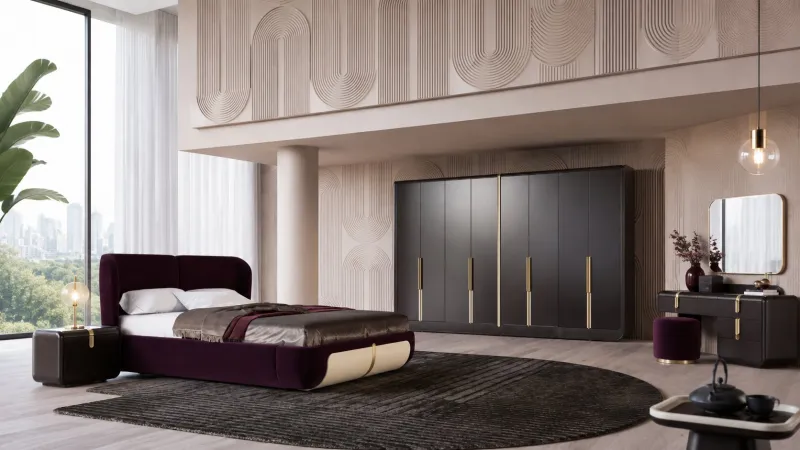
The second uses a restrained palette, one generous bed, a curved lounge chair, soft curtains, and carefully selected luxury hotel furnitures. Natural light moves across stone and timber, while empty areas give each piece presence.
Both rooms may use premium materials, but the second creates a deeper sense of calm. This is the emotional advantage of minimalist design when it is handled with warmth rather than severity.
Negative Space Becomes Part of the Design
Negative space is no longer treated as an unfinished area. In quiet luxury, it becomes an active design element.
A clear wall can frame artwork more effectively. Space around a console makes its craftsmanship easier to appreciate. A wider pathway between pieces of luxury hotel furnitures creates a feeling of generosity without requiring a larger room.
This restraint also improves functionality. Guests can move comfortably, unpack easily, and experience the room without visual distraction.
Texture Replaces Excessive Decoration
Quiet luxury is not plain. Its richness is experienced through touch.
Bouclé seating, hand-finished leather, woven linen, veined stone, ribbed timber, and softly brushed metal bring depth to minimalist design. Instead of relying on bright ornament, designers create contrast between smooth and textured surfaces.
The result is subtle but memorable. Guests may not immediately identify why the room feels expensive, yet they notice its comfort, silence, and material quality.
Which Atmosphere Would You Choose?
Reader poll: Would you prefer a richly decorated grand suite or a calm, material-led retreat with fewer statement pieces?
The answer may reveal why quiet luxury has become so influential. Modern travellers increasingly value privacy, authenticity, and emotional comfort over interiors designed only to impress.
The Quiet-Luxury Checklist
Hotels adopting this approach are prioritising:
- Fewer, higher-quality materials
- Generous negative space
- Tactile natural finishes
- Soft, layered lighting
- Sculptural yet functional furniture
- Restrained colour palettes
- Visible craftsmanship without excessive branding
Ultimately, quiet luxury challenges the belief that luxury must be loud. Through material reduction, balanced proportions, and thoughtfully selected luxury hotel furnitures, today’s finest hotel interiors prove that restraint can feel more exclusive than abundance.
RECENT POSTS
-
The Art of Entertaining: How Luxury Bar Furniture Transforms Sophisticated Interiors
September 24, 2026
-
The New Art of Rest: Curating a Wellness-Focused Luxury Bedroom
September 24, 2026
-
Framed Prints That Bring Effortless European Elegance to Apartment Interiors
September 23, 2026
-
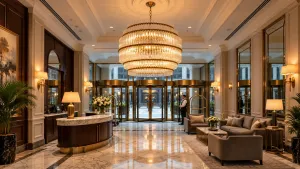
How Crystal Chandelier Lighting Transforms Light, Height and Luxury Interiors
September 23, 2026
-
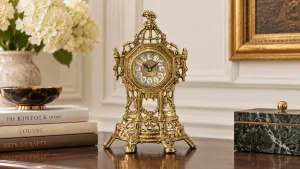
The Art of Choosing a Luxury Table Clock: A Guide to Size, Style & Placement
September 21, 2026
-
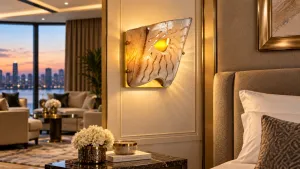
Elegant Wall Lamps: The Secret to Warmer, More Characterful Luxury Interiors
September 21, 2026
-
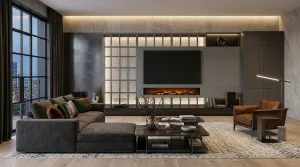
Pairing Luxury TV Units with Living Room Furniture: Create Cohesive Elegance in Modern Homes & Hotel
September 20, 2026
-
CEO Office Design: Desk and Executive Chair Ideas for a High-End Corporate Interior
September 20, 2026
-
How to Choose a Living Room Side Table: 5 Design Rules | The Golden Ratio Guide
September 19, 2026
-
Why Boutique Hotels Are Investing in Classic Marble Statues for Lobbies and Gardens
September 19, 2026