





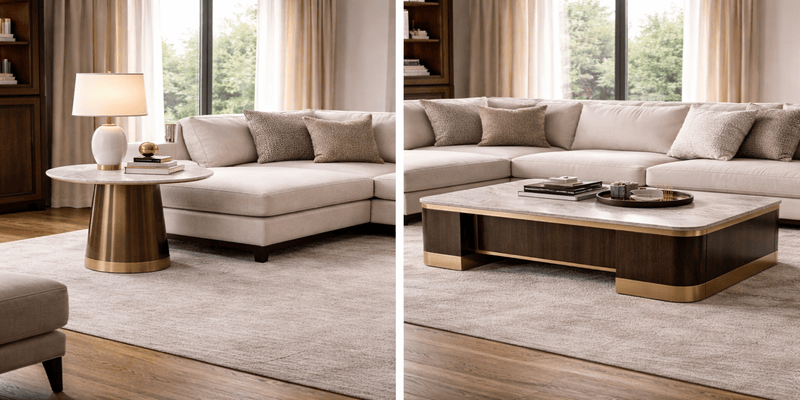
Living Room Side Table vs Coffee Table: Which One Do You Really Need
Posted by Luxury Group International Design Team / Luxury Hotel Interior / February 04, 2026
Choosing between a Living Room Side Table and a luxury coffee table is one of the most common yet misunderstood decisions in living room design. Both pieces are staples of living room furniture, but they serve different purposes, influence space in different ways, and support different lifestyles. Rather than viewing them as interchangeable, understanding their roles helps create a room that feels intentional, comfortable, and visually balanced.
The real question is not about trend or appearance alone, but about how your living room functions day to day. When deciding between side table or coffee table, space, movement, and habits matter more than assumptions.
The Core Role of a Living Room Side Table
A Living Room Side Table is designed to support personal comfort. Positioned beside a sofa or armchair, it keeps essentials within easy reach. Drinks, books, remote controls, or a table lamp can be placed without leaning forward or crossing the room.
This type of table works particularly well in modern European homes where living rooms are used for quiet evenings, reading, or casual work. Because of its compact footprint, a Living Room Side Table fits naturally into corners and alongside modular seating, making it ideal for flexible layouts.
The Central Function of a Luxury Coffee Table
A luxury coffee table plays a different role. Positioned at the centre of the seating area, it acts as a shared surface and a visual anchor. It supports social interaction, serving as a place for refreshments, decorative objects, or reading material accessible to everyone in the room.
Within living room furniture planning, the coffee table often defines the seating zone. Its shape and material influence the overall tone of the space, making it a focal point rather than a supporting element.
How Each Table Affects Space and Movement
Space planning is where the difference between a Living Room Side Table and a luxury coffee table becomes most apparent. Coffee tables require clear circulation space around them. In larger rooms, this adds structure and grounding. In smaller rooms, however, it can restrict movement.
A Living Room Side Table occupies space that might otherwise go unused. It allows walkways to remain open and supports a more fluid layout. For compact homes or apartments, this flexibility often makes the side table the more practical choice in the side table or coffee table decision.
Visual Balance and Interior Harmony
Visual weight plays a crucial role in how a living room feels. A luxury coffee table carries significant visual presence due to its central placement. This works well in spacious interiors where scale is needed to avoid emptiness.
A Living Room Side Table contributes more subtle balance. It supports the seating arrangement without dominating the room. Designers often use side tables to distribute visual interest evenly, especially in minimalist or contemporary interiors where restraint defines luxury.
Matching Furniture Choice to Daily Living Habits
Daily routines strongly influence which table works best. Homes that prioritise comfort and individual use often benefit more from a Living Room Side Table. Each seat can have its own surface, making the space more intuitive and relaxed.
Homes designed for entertaining tend to favour a luxury coffee table. It encourages shared use and supports hosting. When evaluating side table or coffee table options, how often the living room is used socially versus privately should guide the decision.
Small Living Rooms and Urban Apartments
In smaller living rooms, every piece of living room furniture must justify its presence. A Living Room Side Table provides function without visually crowding the space. It pairs well with compact sofas and keeps the centre of the room open.
Many European urban interiors favour side tables over coffee tables for this reason. The room feels lighter, more adaptable, and easier to move through, which is essential in compact environments.
Large Living Rooms and Open-Plan Spaces
In larger living rooms, a luxury coffee table often becomes essential. Without a central element, the seating arrangement can feel disconnected. The coffee table grounds the space and visually ties the furniture together.
In these settings, side tables usually complement rather than replace the coffee table. This layered approach answers the side table or coffee table question by recognising that each serves a distinct purpose.
Flexibility and Long-Term Use
Flexibility is another important factor. A Living Room Side Table is easy to reposition and can adapt to changing layouts or even move to another room when needed. This makes it a versatile investment.
A luxury coffee table is more fixed in function and placement. While it offers strong visual impact, changing its position often requires rethinking the entire seating arrangement.
Choosing the Right Table for Your Living Room
The decision between a Living Room Side Table and a luxury coffee table should be based on room size, layout, and lifestyle. Compact spaces and comfort-focused living rooms often benefit more from side tables. Larger spaces and social settings usually require the presence of a coffee table.
Understanding how each piece contributes to living room furniture planning ensures the choice feels intentional rather than habitual.
Conclusion: Choosing Function Over Assumption
The debate between Living Room Side Table and luxury coffee table is not about which one is better, but which one works better for your space. Each supports a different way of living and interacting within the room.
Rather than defaulting to tradition, evaluating movement, comfort, and daily use leads to smarter decisions. Whether choosing one or combining both, the goal remains the same: a living room that feels balanced, functional, and naturally aligned with how you live.
RECENT POSTS
-
The Art of Hospitality on Wheels: How Luxury Trolleys Elevate Boutique Hotel Experiences
September 25, 2026
-
The Art of Grandeur: How Baroque Coffee Tables Transform Luxury Living Spaces
September 25, 2026
-
The Art of Entertaining: How Luxury Bar Furniture Transforms Sophisticated Interiors
September 24, 2026
-
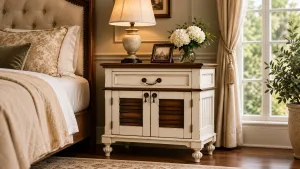
The New Art of Rest: Curating a Wellness-Focused Luxury Bedroom
September 24, 2026
-
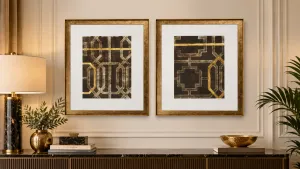
Framed Prints That Bring Effortless European Elegance to Apartment Interiors
September 23, 2026
-

How Crystal Chandelier Lighting Transforms Light, Height and Luxury Interiors
September 23, 2026
-
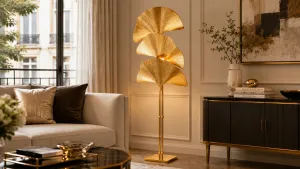
Sculptural Illumination: How Contemporary Floor Lamps Are Becoming Modern Art Statements
September 22, 2026
-

The Art of Choosing a Luxury Table Clock: A Guide to Size, Style & Placement
September 21, 2026
-
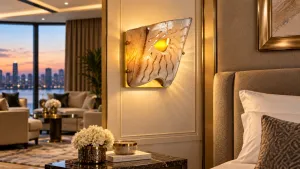
Elegant Wall Lamps: The Secret to Warmer, More Characterful Luxury Interiors
September 21, 2026
-
Pairing Luxury TV Units with Living Room Furniture: Create Cohesive Elegance in Modern Homes & Hotel
September 20, 2026