





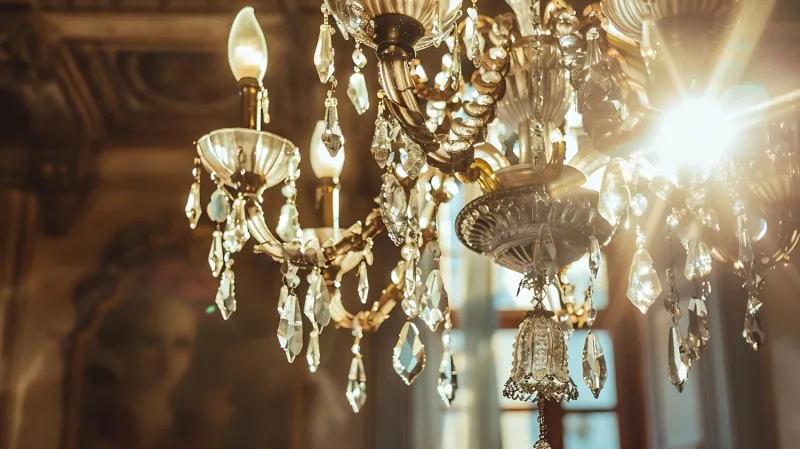
Luxury Dining Room Chandeliers: The Art of Lighting the Table
Posted by Lukas Berger / Luxury Chandelier / August 30, 2026
There is a distinct moment when a dining room transitions from simply functional to mesmerizing. It happens the evening you dim the lights, light the candles, and let the overhead fixture take center stage. While an exquisite marble or solid walnut table anchors the footprint of the room, luxury dining room chandeliers create its soul. A truly exceptional overhead light acts as a piece of fine sculpture by day and an ethereal, ambient masterpiece by night.
Lighting a high-end dining room is far more than a practical design necessity; it is a delicate dance between architectural proportion, material quality, and light distribution. Selecting the ideal centerpiece requires an understanding of scale, drop height, and optical refraction. Whether your aesthetic leans toward timeless opulence or sleek contemporary lines, mastering these elements elevates a simple dinner into an unforgettable sensory event.
The New Horizon of Modern Luxury Lighting
Traditional cascading crystal centerpieces will always carry an air of classic prestige, but the dining chandelier modern movement has expanded our definition of interior luxury. Modern high-end illumination favors bold geometries, organic silhouettes, and raw, noble materials like brushed brass, hand-poured alabaster, smoked quartz, and hand-blown glass.
Modern luxury fixtures focus on structural balance rather than sheer volume. Linear island-style suspended bars, asymmetric mobile chandeliers, and minimalist LED rings bring architectural drama to the space without visual clutter. Rather than overpowering the room, a modern luxury chandelier commands attention through clean sculptural form, offering a striking contrast against rich wooden tables or veined marble tops.
When curating a contemporary dining space, look for fixtures that tell a story through material craftsmanship. Hand-hammered metal finishes reflect light with subtle texture, while frosted or fluted glass sleeves soften bright bulbs into a continuous halo of warmth.
Table Proportions and Scale: The Architecture of Balance
The most common design mistake in luxury interiors is misjudging visual weight. A fixture that is too delicate gets swallowed up by a stately dining set, while a chandelier that is excessively heavy feels invasive, overwhelming guests and crowding the room.
Achieving visual harmony requires grounding your choice in the dimensions of your dining table.
The Width Metric
Your chandelier’s width or diameter should measure between one-half to two-thirds the overall width of your dining table. This proportion ensures the lighting fixture stays contained within the visual boundaries of the tabletop, leaving ample space around the edges so the room feels expansive and balanced.
Room-to-Scale Harmony
For a quick structural check relative to the overall space, calculate the room’s proportions: add the length and width of the dining room in feet, and convert that total sum directly to inches. For instance, a 14-foot by 18-foot dining room easily accommodates a 32-inch diameter fixture as a baseline standard.
Matching Fixture Shapes to Table Silhouettes
Round
Circular, Tiered, Globe, or Sputnik
Diameter = 1/2 to 2/3 of table diameter
Rectangular
Linear, Oval, or Multi-Pendant Clusters
Width = 1/2 of table width; Length = 1/2 to 2/3 table length
Square
Square, Multi-Tier, or Large Sphere
Width = 1/2 to 2/3 of table width
Oval
Linear, Curved Oval, or Dual Chandelier Setup
Width = 1/2 of table width; Length spaced evenly across surface
For long dining tables designed to seat eight or more guests, hanging a single small fixture creates a visually stark, under-lit surface. Consider installing a pair of matching linear pendants or a multi-tiered cluster that distributes warm light evenly across the entire length of the table.
The Precision of Drop Height: Hanging with Intent
Correct suspension height transforms how a room feels during an intimate dinner. Hang your light fixture too high, and it feels disconnected from the table setting below, floating aimlessly near the ceiling. Hang it too low, and it disrupts eye contact between guests and creates uncomfortable visual glare.
The Standard 30-to-36-Inch Rule
For standard 8-foot ceilings, the bottom edge of your luxury dining room chandeliers should hang 30 to 36 inches above the top surface of the dining table. This precise height creates an intimate umbrella of light over food and decor while keeping line-of-sight clear across the table.
Adjusting for Vaulted and High Ceilings
If your dining room features soaring 10-, 12-, or 14-foot ceilings, the 30-to-36-inch standard needs to be scaled upward so the fixture doesn't feel lost in the upper volume of the room. Add 3 inches of height for every additional foot of ceiling height above 8 feet.
- For an 8-foot ceiling: 30 to 36 inches above table
- For a 9-foot ceiling: 33 to 39 inches above table
- For a 10-foot ceiling: 36 to 42 inches above table
Styling Tip: Always perform a live test during installation. Sit in the dining chairs at eye level before locking the suspension cables or chain rods into place. Ensure that guests sitting across from one another can speak easily without a glass shade or exposed bulb obstructing their line of vision.
The Science of Sparkle: Crystals, Glass, and Refraction
The magical, ethereal quality of high-end dining room illumination relies on how light bends, splits, and reflects off fine materials. The distinctive sparkle of lead crystal and optical-grade hand-cut glass creates an atmospheric depth that standard flat lighting panels simply cannot achieve.
Understanding Refractive Clarity
High-end luxury chandeliers utilize precision-cut crystal with elevated refractive indices—such as full lead crystal, Swarovski elements, or optically clear hand-blown glass. When light passes through these cut facets, it undergoes dispersion, splitting into micro-prisms that cast subtle, dancing light patterns across surrounding walls, linens, and dinnerware.
Blending Direct and Diffused Illumination
To prevent harsh shadows on guests' faces while maintaining crystal brilliance, opt for designs that combine ambient diffusion with focused downlighting:
- Frosted and Fluted Glass: Softens the output, distributing a silky glow across skin tones.
- Open Crystal Facets: Catches raw ambient light from nearby bulbs, adding shimmering highlights to champagne glasses and polished cutlery.
- Alabaster and Quartz Accents: Filters light through natural mineral veins, casting a warm, earthy glow across the dining room.
Selecting the Right Kelvin Temperature
Even the most beautiful crystal fixture loses its luxury warmth under the wrong bulb temperature. Stick strictly to warm light sources between 2700K and 3000K. Overly cool white light (4000K+) strips away the intimate mood, making a luxury home feel like a commercial space, while warm light enhances natural wood grain, metallic finishes, and gourmet food presentation.
Setting the Scene: Layered Lighting and Mood Control
A single overhead fixture—no matter how breathtaking—should never be asked to do all the work in a luxury interior. True ambiance relies on layered lighting control that seamlessly adapts from bright family breakfasts to late-night dinner parties.
Equip your light fixtures with smooth Electronic Low Voltage (ELV) or Triac dimmers. The ability to drop light levels down to a low, warm ember transforms the mood instantaneously, inviting guests to linger over dessert and conversation long after the meal has ended.
To complete the look, layer your centerpiece chandelier with secondary ambient lighting. Pair the overhead piece with matching wall sconces mounted at eye level along accent walls, or place low-profile lamps on side buffets. Integrating subtle cove lighting or perimeter spotlights highlights artwork and architectural detailing, softening harsh shadows in room corners and letting your main chandelier shine as the undeniable star of the space.
Investing in a thoughtfully proportioned, expertly hung luxury chandelier elevates every gathering at your table, turning daily dining into an artful celebration of light, atmosphere, and hospitality.
RECENT POSTS
-
The Art of Entertaining: How Luxury Bar Furniture Transforms Sophisticated Interiors
September 24, 2026
-
The New Art of Rest: Curating a Wellness-Focused Luxury Bedroom
September 24, 2026
-
Framed Prints That Bring Effortless European Elegance to Apartment Interiors
September 23, 2026
-

How Crystal Chandelier Lighting Transforms Light, Height and Luxury Interiors
September 23, 2026
-

The Art of Choosing a Luxury Table Clock: A Guide to Size, Style & Placement
September 21, 2026
-
Elegant Wall Lamps: The Secret to Warmer, More Characterful Luxury Interiors
September 21, 2026
-
Pairing Luxury TV Units with Living Room Furniture: Create Cohesive Elegance in Modern Homes & Hotel
September 20, 2026
-
CEO Office Design: Desk and Executive Chair Ideas for a High-End Corporate Interior
September 20, 2026
-
How to Choose a Living Room Side Table: 5 Design Rules | The Golden Ratio Guide
September 19, 2026
-
Why Boutique Hotels Are Investing in Classic Marble Statues for Lobbies and Gardens
September 19, 2026