





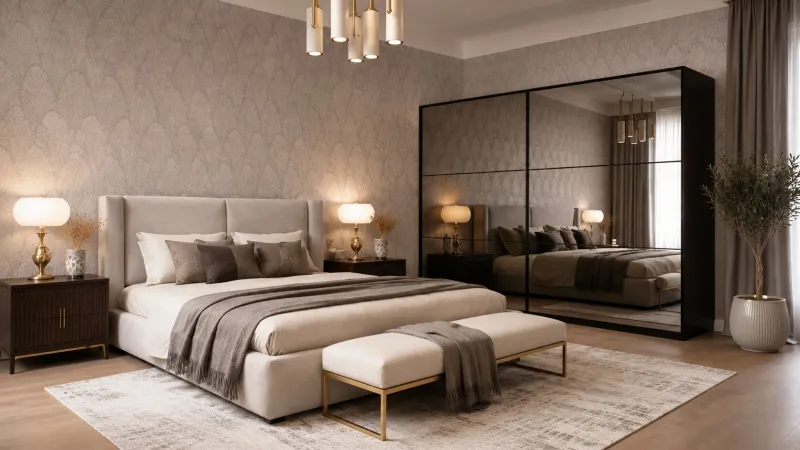
Micro-Luxury: Small Details That Make Hotel Interiors Feel Exceptionally Expensive
Posted by Sophie Laurent / Luxury Hotel Interior / August 31, 2026
Luxury does not always announce itself with marble lobbies, oversized chandeliers or bespoke suites. Sometimes, it is the quiet click of a beautifully weighted drawer, the softness of a perfectly finished textile or the gleam of an elegant bedside detail. This is the power of micro luxury—small, intentional upgrades that can dramatically change how guests perceive quality without demanding a dramatic increase in the design budget.
For European hotels and hospitality spaces, micro luxury offers a compelling approach to creating sophisticated interiors while remaining commercially conscious. The secret lies in knowing exactly where guests look, touch and interact.
Hardware: The Detail Guests Feel First
Cabinet handles, drawer pulls, hinges and switches may seem insignificant, but they are among the most frequently touched elements in a hotel room. Replacing generic hardware with brushed brass, aged bronze or finely engineered metal fittings can immediately make wardrobes, consoles and luxury hotel furniture feel more considered.
The perception-to-cost ratio can be remarkably strong. A modest investment in premium hardware can make an entire furniture collection appear more bespoke.
Textiles That Add Instant Sensory Luxury
Guests experience a room through more than sight. Texture creates an emotional response.
Layering velvet cushions, linen throws, tactile upholstery and heavyweight curtains can introduce depth without replacing major furniture pieces. In hotel detailing, textiles are particularly effective because they soften architectural spaces while reinforcing the property's colour story.
Instead of covering every surface in expensive materials, designers can create impact by selecting one or two exceptional textiles and repeating them strategically.
The Bedside Moment Matters
Few areas of a hotel room receive as much attention as the bedside zone. A refined micro luxury approach might combine an elegant nightstand, integrated charging, a tactile switch, a reading light and a carefully selected decorative object.
This is where high-impact design becomes highly practical. Guests interact with these elements immediately before sleeping and after waking, making functionality part of the luxury experience.
A beautifully proportioned bedside table can therefore contribute more to perceived quality than an expensive decorative feature that guests barely use.
One-Off Artisanal Pieces Create Character
Mass-produced accessories can make even premium interiors feel predictable. Introducing one handcrafted object—a ceramic vessel, sculptural lamp, carved tray or locally made accent—can create a memorable focal point.
For designers working with luxury hotel furniture, these one-off pieces also provide opportunities to connect a property with its location. Local craftsmanship can make an interior feel authentic rather than simply expensive.
Cost vs. Perception: Spend Where Guests Notice
The smartest micro luxury strategy is not about spending everywhere. It is about spending selectively.
A smart micro-luxury strategy focuses on upgrades that create maximum visual and sensory impact without excessive spending. Premium hardware, bespoke cushions, decorative bedside lighting and artisanal accents can significantly enhance the perceived quality of a hotel interior at a relatively modest cost. In contrast, full furniture replacement requires a much larger investment and does not always deliver the same level of perceived impact. The key is to invest selectively in the details guests see, touch and use most often.
This cost-versus-perception approach allows hotel operators to prioritise details guests physically touch or repeatedly see.
Luxury Is Often Hidden in the Details
The most convincing interiors rarely depend on a single spectacular feature. They build quality through dozens of small decisions.
That is the real promise of micro luxury: transforming ordinary touchpoints into memorable experiences. From refined hardware and layered textiles to thoughtful bedside detailing and distinctive artisanal pieces, high-impact design proves that luxury is not always about adding more—it is about choosing better.
In hospitality, those subtle choices can be the difference between a room that looks attractive and one guests remember.
Note:- Shop exclusive collections anytime with the luxury furniture app from Luxury Group International.
RECENT POSTS
-
The Art of Entertaining: How Luxury Bar Furniture Transforms Sophisticated Interiors
September 24, 2026
-
The New Art of Rest: Curating a Wellness-Focused Luxury Bedroom
September 24, 2026
-
Framed Prints That Bring Effortless European Elegance to Apartment Interiors
September 23, 2026
-

How Crystal Chandelier Lighting Transforms Light, Height and Luxury Interiors
September 23, 2026
-
The Art of Choosing a Luxury Table Clock: A Guide to Size, Style & Placement
September 21, 2026
-
Elegant Wall Lamps: The Secret to Warmer, More Characterful Luxury Interiors
September 21, 2026
-
Pairing Luxury TV Units with Living Room Furniture: Create Cohesive Elegance in Modern Homes & Hotel
September 20, 2026
-
CEO Office Design: Desk and Executive Chair Ideas for a High-End Corporate Interior
September 20, 2026
-
How to Choose a Living Room Side Table: 5 Design Rules | The Golden Ratio Guide
September 19, 2026
-

Why Boutique Hotels Are Investing in Classic Marble Statues for Lobbies and Gardens
September 19, 2026