





Reflections of Calm: How European Designers Use Light, Scale and Silence in Modern Interiors
Posted by Luxury Group International Design Team / Luxury Home Accessories / July 28, 2026
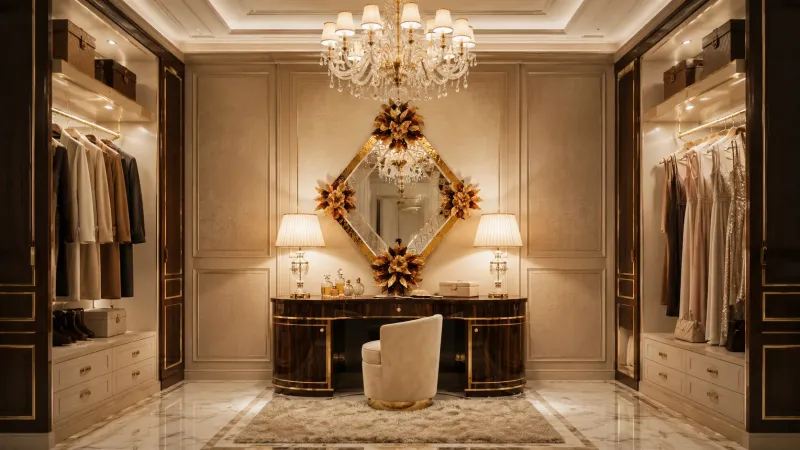
A mirror does not need to demand attention to transform a room. Sometimes, its greatest influence is almost invisible—a brighter corner, a longer sightline or a subtle reflection that makes an interior feel calmer and more complete. Across contemporary European design, mirrors are moving beyond decoration to become architectural tools that shape atmosphere, proportion and emotion.
The latest European designer mirror trends for spacious interiors are guided by three powerful principles: light, scale and silence. These ideas explain why a thoughtfully positioned mirror can feel more luxurious than a room filled with elaborate accessories. For intellectually curious buyers, the appeal lies not only in how the mirror looks, but also in what it allows the space to become.
Light: Using Reflection as an Interior Material
European designers increasingly treat natural light as a material in its own right. Instead of relying only on lamps and chandeliers, they use luxury mirrors to redirect daylight, illuminate deeper areas and bring architectural details into view.
A large mirror placed opposite a window can capture the changing sky, greenery or historic surroundings and carry them further into the room. In a narrow hallway, it can reduce visual heaviness. In a bedroom, it can soften morning light and create a more peaceful atmosphere.
The Mid century modern wall mirror is particularly effective in this approach. Its clean lines, balanced proportions and understated frames allow it to reflect light without introducing unnecessary visual noise. Designs finished in brushed brass, dark timber or antique gold add warmth while remaining refined.
Within modern home interiors, the mirror does not simply reflect the room. It becomes part of the lighting strategy, changing how the space feels throughout the day.
Scale: Expanding Space Without Adding Clutter
Scale is central to contemporary luxury interiors. Rather than choosing small mirrors to fill isolated wall spaces, European designers are selecting oversized pieces that interact with the architecture itself.
A tall mirror can visually raise the ceiling and increase the sense of openness. A wide horizontal mirror can make a compact living area appear broader. In an entrance hall, a dramatic floor-standing mirror can establish depth before the guest has fully entered the property.
Current European designer mirror trends for spacious interiors favour mirrors that are large enough to influence the entire room. Their scale creates presence, yet reflection prevents them from feeling heavy.
A statement Mid century modern wall mirror can also be paired with carefully selected Sculptures & Statues to create a gallery-like composition. The mirror provides light and movement, while the sculpture introduces texture and physical form. Together, they create balance without overcrowding the space.
This approach is particularly effective in luxury hotels, private residences and elegant European apartments where every object must justify its presence.
Silence: Why Modern Luxury Is Becoming Quieter
The most sophisticated rooms are not always the most decorated. Modern European design increasingly embraces visual silence—a sense of calm created through proportion, negative space, natural materials and restrained styling.
In minimalist luxury interiors, mirrors introduce depth without adding another dominant colour, print or decorative pattern. A frameless mirror can almost disappear into a marble wall, while a softly curved design can echo an upholstered bed, rounded console or sculptural chair.
This quiet approach does not mean that home decors must feel empty or impersonal. Carefully chosen Sculptures & Statues, textured fabrics, stone surfaces and luxury mirrors can produce a deeply layered environment. The difference is that each element is given enough space to be appreciated.
Silence in design is not the absence of character. It is the confidence to avoid excess.
Connecting Mirrors to Broader European Design Movements
The minimalist movement uses reflection to create calm, while mid-century modern design relies on balanced geometry, craftsmanship and functional beauty. Contemporary European interiors often combine these influences, resulting in rooms that feel timeless rather than trend-driven.
A Mid century modern wall mirror works beautifully with walnut furniture, travertine surfaces and warm neutral fabrics. More sculptural luxury mirrors complement curved sofas, architectural lighting and artistic home decors. In classical properties, contemporary mirrors can provide contrast, allowing ornate mouldings and historic details to appear fresher.
These combinations demonstrate why European designer mirror trends for spacious interiors are not based on decoration alone. They are connected to a wider philosophy of thoughtful living, where light, material and proportion work together.
Positioning a Mirror with Purpose
A luxury mirror should not be placed merely because a wall feels empty. Designers first consider what the mirror will reflect. A beautiful chandelier, garden view, artwork or architectural feature can become part of the mirror’s composition.
In sophisticated home interiors, reflection is carefully edited. Designers avoid positioning mirrors where they will duplicate clutter, harsh lighting or visually distracting objects. Instead, they use them to frame the strongest features of the room.
The relationship between luxury mirrors and Sculptures & Statues is especially important. A mirror placed behind or beside a sculpture can reveal another angle of the piece, allowing it to be experienced from multiple perspectives. This creates movement and curiosity while maintaining the stillness associated with modern luxury.
The Enduring Power of Reflection
The most compelling European designer mirror trends for spacious interiors are defined by intention rather than ornamentation. Light gives the mirror function. Scale gives it architectural authority. Silence gives it sophistication.
Whether introduced through an oversized contemporary design, a refined Mid century modern wall mirror or an elegant composition of luxury mirrors and Sculptures & Statues, reflection can transform the experience of a space.
For today’s luxury buyer, the finest home interiors are not those that display the greatest number of objects. They are the spaces where every element has room to breathe—and where the mirror quietly reveals more than the eye first notices.
RECENT POSTS
-
The Art of Entertaining: How Luxury Bar Furniture Transforms Sophisticated Interiors
September 24, 2026
-
The New Art of Rest: Curating a Wellness-Focused Luxury Bedroom
September 24, 2026
-
Framed Prints That Bring Effortless European Elegance to Apartment Interiors
September 23, 2026
-
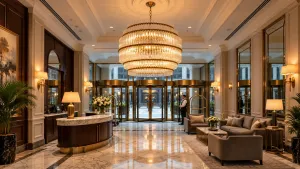
How Crystal Chandelier Lighting Transforms Light, Height and Luxury Interiors
September 23, 2026
-
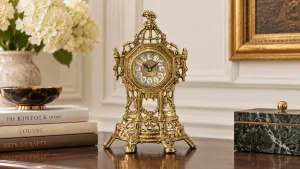
The Art of Choosing a Luxury Table Clock: A Guide to Size, Style & Placement
September 21, 2026
-
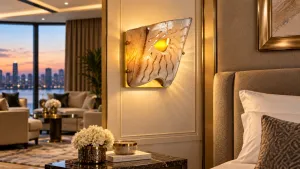
Elegant Wall Lamps: The Secret to Warmer, More Characterful Luxury Interiors
September 21, 2026
-
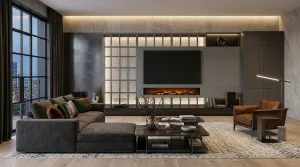
Pairing Luxury TV Units with Living Room Furniture: Create Cohesive Elegance in Modern Homes & Hotel
September 20, 2026
-
CEO Office Design: Desk and Executive Chair Ideas for a High-End Corporate Interior
September 20, 2026
-
How to Choose a Living Room Side Table: 5 Design Rules | The Golden Ratio Guide
September 19, 2026
-
Why Boutique Hotels Are Investing in Classic Marble Statues for Lobbies and Gardens
September 19, 2026