





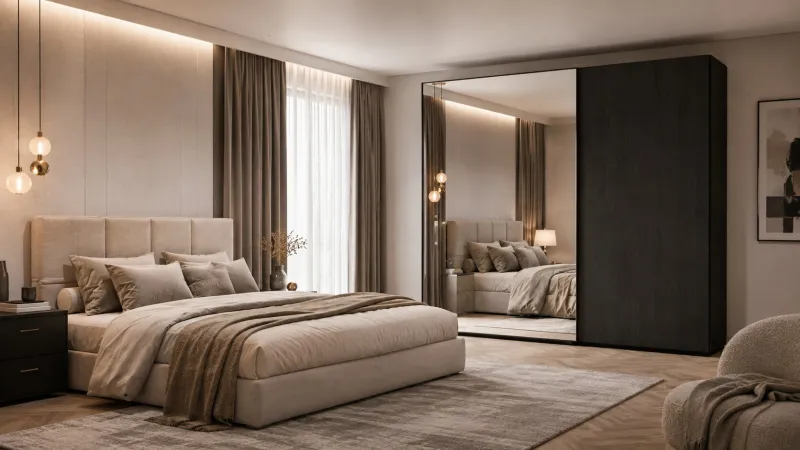
Rooted in Place, Designed for Everyone: The New Balance in Luxury Hotel Interiors
Posted by Luxury Group International Design Team / Luxury Hotel Interior / August 20, 2026
A luxury hotel should feel unmistakably connected to its location, yet instantly comfortable to a guest arriving from anywhere in the world. That tension sits at the heart of modern cultural hotel design. Designers are being asked to create spaces that feel local without becoming theatrical, and globally comfortable without becoming anonymous.
For European hospitality projects, the most successful answer is rarely found in copying motifs or importing a ready-made luxury aesthetic. It comes from combining authentic interiors, thoughtful collaboration, and carefully selected luxury hotel furniture that respects both place and people.
When Cultural Design Feels Authentic
Guests can usually sense the difference between a hotel that understands its setting and one that simply decorates around it.
Successful cultural hotel design often begins with local materials, regional craftsmanship, architectural traditions, and stories that already belong to the destination. A hotel in Portugal, for example, may reference ceramic traditions through contemporary surfaces. A property in the Alps may work with timber craftsmanship, wool, and locally familiar forms without recreating a rustic chalet literally.
The strongest authentic interiors interpret local culture rather than reproduce it.
This distinction matters because excessive use of symbols, patterns, or ceremonial objects can quickly make a hotel feel staged. Cultural identity should be part of the design process, not simply applied as decoration at the end.
Celebration or Appropriation?
The line between cultural celebration and appropriation often comes down to context, permission, and participation.
Using a traditional pattern without understanding its meaning can reduce heritage to visual styling. Commissioning the same pattern from a local artisan, discussing its significance, and crediting the maker creates a very different relationship.
For luxury hotels, this means asking difficult but useful questions. Who designed the object? Who benefits financially? Is the motif appropriate for commercial use? Has the local community been consulted?
Ethical cultural hotel design does not treat heritage as a free design library.
Global Comfort Still Matters
Cultural authenticity cannot come at the expense of global comfort.
Guests may appreciate handcrafted chairs or unusual room layouts, but they still expect supportive beds, comfortable seating, practical lighting, accessible storage, intuitive technology, and reliable bathroom functionality.
This is where luxury hotel furniture plays a crucial role. A locally inspired armchair can still provide excellent ergonomics. A handcrafted bedside table can incorporate modern charging access. A traditional textile can be adapted into durable commercial-grade upholstery.
The goal is to preserve cultural character while meeting the comfort standards international travellers already expect.
What Happens When Design Goes Wrong?
Unsuccessful cultural interiors often fall into two extremes.
The first is overstatement: rooms filled with obvious symbols, decorative clichés, and excessive pattern. Instead of feeling local, the hotel begins to resemble a themed set.
The second is under expression. A property may occupy a historic or culturally significant location yet use generic international luxury hotel furniture that could belong anywhere.
Both approaches miss the opportunity to create authentic interiors with emotional depth.
The most memorable spaces usually sit somewhere between these extremes: recognisably local, but never costume-like.
A Framework for Ethical Local Collaboration
A useful approach can be built around four principles.
Research first. Understand local materials, techniques, symbols, and history before developing the concept.
Collaborate, do not imitate. Work directly with regional craftspeople, artists, and designers whenever possible.
Credit the source. Tell guests who made important pieces and why those traditions matter.
Design for longevity. Local craftsmanship should meet commercial durability standards so furniture can remain in use rather than become decorative novelty.
This framework allows cultural hotel design to become both respectful and commercially practical.
Local Identity Can Be the New Luxury
As luxury hospitality becomes increasingly global, individuality becomes more valuable.
Hotels that combine global comfort with meaningful local expression offer something generic interiors cannot: a genuine sense of place. Through ethical sourcing, collaboration with craftspeople, and carefully considered luxury hotel furniture, cultural identity can become part of the guest experience rather than simply part of the visual styling.
The question for designers is no longer whether hotels should feel local or global.
The more interesting question is this: can a hotel make an international guest feel completely at home while reminding them, at every turn, that they could only be in this one particular place?
That may be the most sophisticated form of luxury of all.
RECENT POSTS
-
The Art of Entertaining: How Luxury Bar Furniture Transforms Sophisticated Interiors
September 24, 2026
-
The New Art of Rest: Curating a Wellness-Focused Luxury Bedroom
September 24, 2026
-
Framed Prints That Bring Effortless European Elegance to Apartment Interiors
September 23, 2026
-
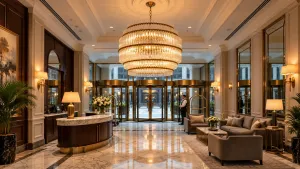
How Crystal Chandelier Lighting Transforms Light, Height and Luxury Interiors
September 23, 2026
-
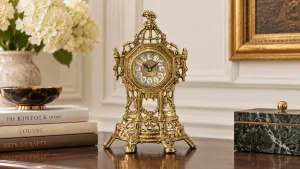
The Art of Choosing a Luxury Table Clock: A Guide to Size, Style & Placement
September 21, 2026
-
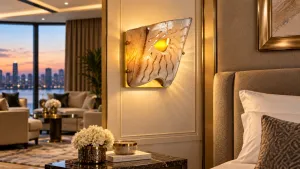
Elegant Wall Lamps: The Secret to Warmer, More Characterful Luxury Interiors
September 21, 2026
-
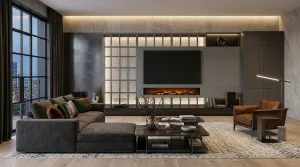
Pairing Luxury TV Units with Living Room Furniture: Create Cohesive Elegance in Modern Homes & Hotel
September 20, 2026
-
CEO Office Design: Desk and Executive Chair Ideas for a High-End Corporate Interior
September 20, 2026
-
How to Choose a Living Room Side Table: 5 Design Rules | The Golden Ratio Guide
September 19, 2026
-
Why Boutique Hotels Are Investing in Classic Marble Statues for Lobbies and Gardens
September 19, 2026