





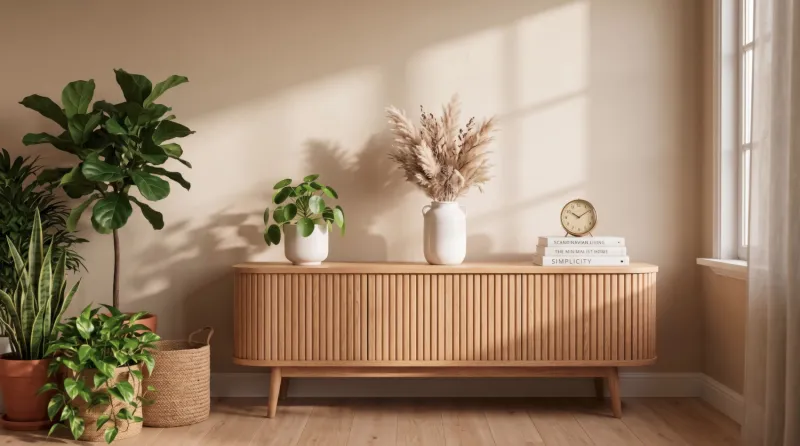
Styling a Console with Trays, Bowls and Bronze Objets: The Layering Formula
Posted by Lukas Berger / Luxury Home Decor / September 14, 2026
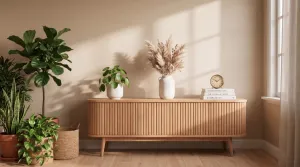
Walk into any well-appointed foyer or living room, and you’ll notice the console table rarely stands alone. It anchors the space, yes—but it’s the objects layered upon it that whisper (or shout) the story of the home. Styling a console table is equal parts architecture and poetry: it requires structure, but also soul.
If you’ve ever stood before your own console, tray in one hand, a sculptural bowl in the other, wondering “Is this too much? Too little?”—this guide is your blueprint. We’re breaking down the exact layering formula used by interior designers to create consoles that feel collected, luxurious, and effortlessly balanced.
The Foundation: Understanding Your Console’s Role
Before placing a single objet, step back and assess the architecture of your space. Is your console a slim hallway piece that needs to breathe? Or a substantial living room anchor that can handle visual weight? The scale of your furniture dictates the scale of your styling.
A narrow console (under 12 inches deep) calls for restraint—think one bold bronze sculpture, a shallow tray, and perhaps a single stem in a bud vase. A deeper, more substantial console invites abundance: stacked art books, a generous ceramic bowl overflowing with spheres, and multiple heights of bronze decorative objects creating a skyline effect.
Pro Tip: The console is a transition piece. It should bridge the gap between the architecture (walls, flooring) and the soft furnishings (rugs, curtains). Your styling acts as the visual handshake between these elements.
The Layering Formula: Tall, Medium, Flat
Here is the industry secret to styling a console table with objets—the 3-Height Rule. Every successful console arrangement follows this rhythm:
1. The Tall Layer (The Vertical Anchor)
Height draws the eye upward, preventing your console from feeling squatty or grounded. This is typically where your bronze sculpture or an oversized vase lives.
Placement: Usually off-center (following the rule of thirds), positioned toward the back of the console to create depth.
What to use: A 18–24 inch bronze figurative sculpture, a tall slender vase with architectural branches, or a stacked pair of oversized art books topped with a smaller objet.
Why it works: It creates a “back wall” of visual interest, especially if your console sits against a blank wall without art.
2. The Medium Layer (The Bridge)
This is the connective tissue. Medium-height objects (typically 8–12 inches) fill the space between your tall anchor and the surface, creating a cascading effect.
Placement: Slightly forward of the tall layer, overlapping visually but not physically.
What to use: A sculptural bowl on a stack of two books, a medium-sized bronze decorative object like an abstract form or animal figure, or a low-profile hurricane with a single pillar candle.
Why it works: It prevents the “staircase” effect where objects look like they’re lined up by height. The medium layer should feel nestled, not queued.
3. The Flat Layer (The Grounding Element)
Every arrangement needs horizontal weight to feel stable. This is where your trays and shallow bowls come into play.
Placement: Front and center, or extending slightly off the edge of the console for a casual, collected feel.
What to use: A rectangular or round tray (12–16 inches) in brass, bronze, or lacquered wood. Inside the tray: a shallow ceramic bowl, a small stack of coasters, or a collection of found objects like geodes or antique spheres.
Why it works: Trays corral smaller items, preventing clutter. They create a “landing pad” that makes the arrangement feel intentional rather than accidental.
The Bronze Factor: Why Warm Metallics Matter
In the world of luxury tabletop objets, bronze occupies a unique position. Unlike the cool formality of silver or the trendiness of gold, bronze offers patina, warmth, and timelessness. It absorbs light rather than reflecting it harshly, making it perfect for creating intimate, layered vignettes.
When selecting bronze decorative objects for your console, consider these pairings:
- Bronze + Ceramic: The organic, matte texture of handmade pottery against the smooth, aged surface of bronze creates tactile contrast.
- Bronze + Wood: A walnut or ebonized wood console becomes richer when topped with bronze—the warmth of both materials compounds.
- Bronze + Stone: Place a bronze sculpture atop a marble tray or beside a travertine bowl. The interplay of natural stone with cast metal feels both ancient and contemporary.
Explore our curated collection of bronze sculptures, from abstract forms to figurative pieces.
Pair your bronze objets with architectural vases from our ceramic and glass collections.
The Art of the Tray: More Than Just a Catch-All
A tray is the unsung hero of console styling. It defines zones, contains chaos, and elevates everyday objects into a curated display. But not all trays are created equal.
Shape Logic:
- Rectangular trays work best on rectangular consoles—they echo the furniture’s geometry and maximize surface area.
- Round or oval trays soften the rigid lines of a console, perfect for modern or minimalist spaces where you want to introduce organic curves.
- Organic/freeform trays (think hammered metal or live-edge wood) suit eclectic or bohemian interiors.
Styling the Tray Itself: Don’t leave your tray empty. A tray is a stage, and it needs actors:
- The Rule of Three: Place three objects inside—perhaps a small bronze box, a shallow bowl, and a crystal or stone sphere.
- Height Variation: Even within the tray, vary heights. A flat coaster stack, a medium-height candle, and a small sculpture create micro-layers.
- Negative Space: Leave breathing room. A tray crammed edge-to-edge looks like a junk drawer, not a design choice.
Discover artisan-crafted trays and bowls designed for layered living.
A Designer’s Console: Three Ready-to-Steal Vignettes
Vignette 1: The Gallery Console
For the art lover with a bold bronze collection
Tall: A 20-inch abstract bronze sculpture positioned left-of-center, backed by a leaning oversized art book or small framed print against the wall.
Medium: A matte black ceramic vase (10 inches) with a single dried palm leaf, placed right-of-center.
Flat: A rectangular brass tray holding a shallow stoneware bowl and a vintage brass magnifying glass.
The Mix: The bronze sculpture’s dark patina pops against the black vase, while the brass tray bridges the metallic tones.
Vignette 2: The Organic Modern Console
For the minimalist who loves texture
Tall: A tall, slender terracotta vase (18 inches) with pampas grass or bleached branches.
Medium: A bronze decorative object—perhaps a smooth, pebble-like form or a small bronze bowl—resting on a stack of two linen-bound books.
Flat: A round, hammered-bronze tray with a single geode and a small air plant.
The Mix: The warmth of terracotta and bronze creates an earthy palette, while the varied textures (hammered, smooth, crystalline) keep the minimal arrangement from feeling flat.
Vignette 3: The Collected Traveler
For the eclectic soul with stories to tell
Tall: A pair of bronze candlesticks (varying heights, 12 and 16 inches) grouped together, or a bronze sculpture of a figure.
Medium: A ceramic bowl filled with collected spheres—wood, stone, or bronze—placed atop a vintage textile or small stack of travel books.
Flat: A large, patinated bronze tray holding a small stack of postcards, a crystal decanter stopper, and a bronze snail or turtle figurine.
The Mix: This console tells a story. The key is keeping the palette tight (bronze, wood, ivory, black) so the collected objects feel curated, not cluttered.
Common Styling Mistakes (And How to Avoid Them)
Mistake 1: The Police Lineup
Objects arranged in a straight row, all the same height, with equal spacing.
Fix: Cluster items in odd numbers (3 or 5), vary heights dramatically, and let some objects overlap visually.
Mistake 2: The Floating Island
A tiny tray or bowl lost on a massive console, surrounded by dead space.
Fix: Scale up. If your console is 60 inches wide, your arrangement should span at least 40 inches. Use books to create elevation and fill space.
Mistake 3: The Height Block
Placing the tallest object dead center, creating a symmetrical “block” that feels static.
Fix: Move your tall anchor off-center. Asymmetry creates movement and visual tension.
Mistake 4: Material Monotony
All wood, or all glass, or all bronze with no contrast.
Fix: Follow the 3-Material Rule: Combine one organic material (wood, ceramic), one metal (bronze, brass), and one textural element (stone, glass, textile).
The Finishing Touch: Living Elements
No console is complete without something alive—or something that once was. A single stem in a bud vase, a potted orchid, or even high-quality faux greenery softens the hard surfaces of bronze and ceramic.
Place your organic element in the medium layer, where it can bridge the gap between your tall sculpture and your flat tray. The leaves or petals introduce movement, catching air currents and changing shadows throughout the day.
Your Console, Mastered
Styling a console table with objets isn’t about perfection—it’s about intentional curation. The tall-medium-flat formula gives you the structure; your personal collection of bronze decorative objects, trays, and bowls provides the soul.
Start with your tallest piece. Build your bridge. Ground it with a tray. Step back, edit ruthlessly, and remember: the best consoles look like they were assembled over time, even if you styled them in an afternoon.
Find the perfect foundation for your layered vignette in our console table collection.
Now, go create that beautiful mess.
RECENT POSTS
-
Is Your Luxury Outdoor Furniture Fading? UV, Covers and Placement
September 18, 2026
-

The Roman Centurion Statue: History, Symbolism and Where to Place One
September 18, 2026
-

Cantilever or Centre-Pole Parasol: Which Design Is Right for Your Space?
September 17, 2026
-
French Luxury Interiors: How to Mix Baroque Furniture With Restraint
September 17, 2026
-
Freestanding vs. Built-In Bathtubs: Which Is Right for Your Luxury Home?
September 16, 2026
-

Why Vintage Table Clocks Are Returning to Luxury European Interiors
September 16, 2026
-

Why Large Outdoor Parasols Are Becoming Architectural Features in Luxury Design
September 15, 2026
-

Sydney to Melbourne: How Australian Luxury Homes Are Embracing European Design in 2026
September 15, 2026
-

How to Style a Vintage Table Clock for Consoles, Dressers & Mantels
September 14, 2026
-
Styling a Console with Trays, Bowls and Bronze Objets: The Layering Formula
September 14, 2026