





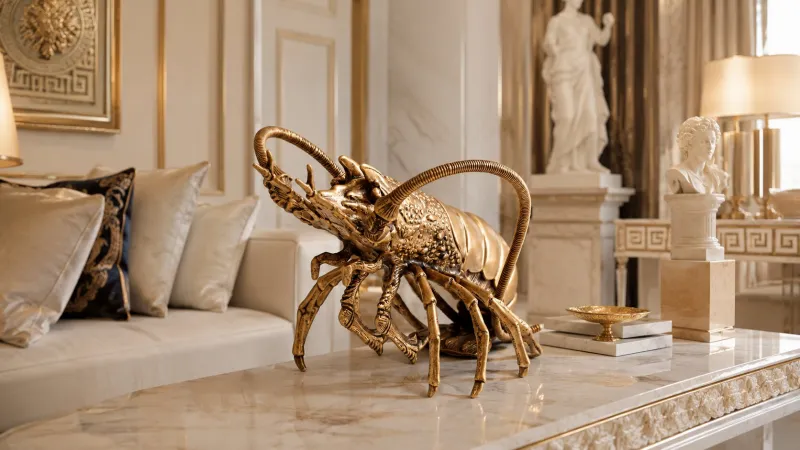
The Art of Impact: Choosing a Luxury Sculpture That Shapes the Entire Room
Posted by Luxury Group International Design Team / Classic Sculptures / July 23, 2026
Some rooms are remembered for their colour palette. Others for their architecture. Yet the most compelling interiors often revolve around one unforgettable object—a luxury sculpture that immediately establishes mood, scale and personality.
Unlike smaller decorative accessories, a statement sculpture does not simply fill an empty corner. It controls how the eye travels through the room, creates a visual pause and gives the interior a distinctive identity. For European villas, penthouses, boutique hotels and refined private residences, the right sculptural piece can become the emotional centre of the entire space.
Step One: Decide What the Sculpture Should Express
Before considering size or material, define the feeling you want the room to communicate.
A fluid modern sculpture can introduce movement into a structured interior, while a figurative piece may bring heritage, drama or storytelling. A bold contemporary art sculpture can create contrast within a classical room, making traditional architecture feel more curated and current.
Ask whether the piece should feel calming, powerful, mysterious or theatrical. This emotional decision is the foundation of choosing the best statement sculpture for a luxury home.
Step Two: Use the Room Layout as Your Guide
Placement should never be an afterthought. A sculpture needs enough visual space to be appreciated from multiple angles.
Layout A: The Living Room Focal Point
Position a large luxury sculpture beside a fireplace, between tall windows or at the end of a clear sightline. Avoid surrounding it with too many accessories. Negative space makes the artwork appear more valuable and intentional.
Layout B: The Entrance Moment
In a spacious hallway or hotel lobby, place a statement sculpture on a central plinth or beneath a dramatic pendant light. The piece should be visible as soon as guests enter.
Layout C: The Quiet Corner
A smaller modern sculpture can transform an unused corner when paired with a spotlight, console or textured wall. This works particularly well in compact European apartments where floor space is limited.
Step Three: Follow a Practical Sculpture Size Guide
A reliable sculpture size guide for interiors begins with proportion.
For a console or pedestal, the sculpture should usually occupy around one-third to two-thirds of the supporting surface. For freestanding pieces, allow generous clearance so guests can move around them comfortably.
Large rooms with high ceilings can support tall, vertical forms. Lower ceilings benefit from wider or more horizontal shapes. When learning how to choose a luxury sculpture for living room spaces, measure ceiling height, nearby furniture and viewing distance before buying.
Never judge scale from a product image alone. Mark the intended dimensions on the floor with tape to understand the sculpture’s real presence.
Step Four: Select Materials That Complement the Interior
Polished metal adds glamour and reflection, while marble and stone bring architectural weight. Bronze creates warmth and heritage, whereas glass or resin can deliver a lighter, more experimental character.
A contemporary art sculpture should complement the room without disappearing into it. For example, a dark bronze piece can stand beautifully against cream walls, while a pale stone sculpture may look striking in a richly coloured interior.
Step Five: Design the Lighting Around the Art
Focused lighting reveals texture, shadow and craftsmanship. Use an adjustable ceiling spotlight for a freestanding luxury sculpture, or concealed lighting for pieces displayed within niches.
Avoid harsh, flat illumination. Sculptures look most dramatic when light creates depth across their surfaces.
Downloadable Size & Placement Checklist
Before choosing your statement sculpture, confirm the dimensions, viewing angles, walking clearance, lighting position, material contrast and pedestal stability.
Once installed, photograph the room from several viewpoints and share your styling result. The right sculpture should not feel added to the interior—it should feel as though the entire room was designed around it.
RECENT POSTS
-
The Art of Entertaining: How Luxury Bar Furniture Transforms Sophisticated Interiors
September 24, 2026
-
The New Art of Rest: Curating a Wellness-Focused Luxury Bedroom
September 24, 2026
-
Framed Prints That Bring Effortless European Elegance to Apartment Interiors
September 23, 2026
-

How Crystal Chandelier Lighting Transforms Light, Height and Luxury Interiors
September 23, 2026
-

The Art of Choosing a Luxury Table Clock: A Guide to Size, Style & Placement
September 21, 2026
-
Elegant Wall Lamps: The Secret to Warmer, More Characterful Luxury Interiors
September 21, 2026
-
Pairing Luxury TV Units with Living Room Furniture: Create Cohesive Elegance in Modern Homes & Hotel
September 20, 2026
-
CEO Office Design: Desk and Executive Chair Ideas for a High-End Corporate Interior
September 20, 2026
-
How to Choose a Living Room Side Table: 5 Design Rules | The Golden Ratio Guide
September 19, 2026
-

Why Boutique Hotels Are Investing in Classic Marble Statues for Lobbies and Gardens
September 19, 2026