





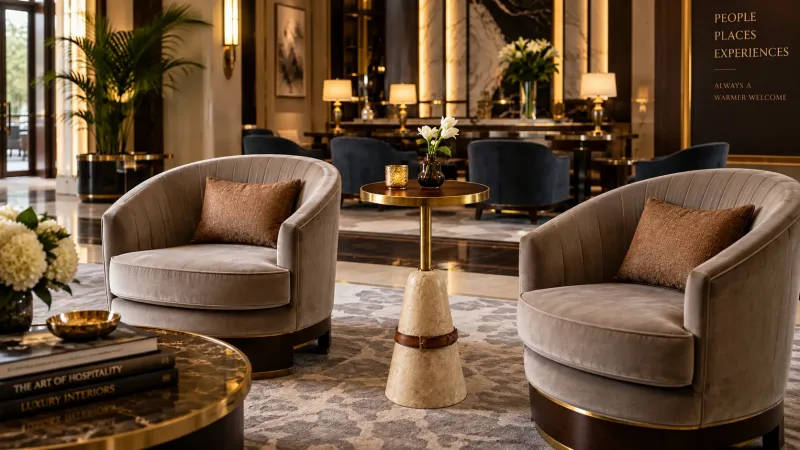
The Art of Welcome: How Reception Room Furniture Creates Order, Comfort and Lasting Impressions
Posted by Elena Voss / Luxury Hotel Interior / September 11, 2026
Before a guest notices the artwork, lighting or architectural details, they experience the space itself. They notice where to sit, how easily they can move, whether the room feels crowded or calm, and whether the environment immediately makes them feel welcome.
This is why reception room furniture deserves far more attention than simply choosing attractive chairs and tables. The right furniture arrangement can quietly guide movement, establish visual order and create an atmosphere of effortless hospitality.
For luxury homes, hotels, offices and refined European interiors, Lobby & Reception furniture can become one of the most important elements in shaping that first impression. When thoughtfully coordinated, every sofa, table, console and accent chair contributes to a room that feels balanced rather than busy.
Why Reception Rooms Need More Than Beautiful Furniture
A reception room has a unique responsibility. It must look impressive while remaining comfortable and functional.
Guests may enter carrying bags, wait for appointments, meet clients, have conversations or simply pause before moving elsewhere. Furniture therefore needs to support multiple activities without making the room feel overly commercial.
Well-selected reception room furniture for elegant interiors achieves this balance through proportion, spacing and coordination.
Instead of asking only, “Does this sofa look luxurious?”, consider:
“Does this furniture make the entire room feel easier to use?”
That simple question can completely change how you approach reception design.
Start With the Journey Through the Room
Good layout begins before furniture is even selected.
Walk through the room as if you were visiting for the first time. Where would you naturally enter? Where would you look for seating? Which areas need to remain open? Where might people stop to speak?
This exercise helps establish circulation paths.
Large sofas should not obstruct entrances, while coffee tables need enough surrounding space for comfortable movement. Accent chairs can define smaller conversation zones without creating barriers.
The best Lobby & Reception furniture arrangements often feel almost effortless because the layout naturally tells people where to go.
Create a Clear Visual Focal Point
Every successful reception room benefits from a visual anchor.
This could be a beautifully upholstered sofa, a sculptural console, an impressive coffee table, a statement artwork or an architectural feature.
Once the focal point is established, other furniture should support it rather than compete with it.
For example, a statement sofa can be complemented by understated side tables and elegant accent chairs. Alternatively, a dramatic central table can become the focal point while surrounding seating remains more restrained.
This hierarchy prevents luxury reception room furniture from becoming visually overwhelming.
The Power of Symmetry and Balance
Symmetry creates an immediate sense of order.
Two matching chairs positioned opposite a sofa can establish a sophisticated conversational setting. Pairing identical side tables with lamps can frame a seating arrangement and create visual stability.
However, perfect symmetry is not always necessary.
A more contemporary reception room may combine different chair shapes while maintaining balance through similar colours, materials or proportions.
The objective is not to make every piece identical. It is to make every piece feel connected.
Choosing Furniture According to Scale
One of the most common mistakes in reception design is selecting furniture according to appearance rather than scale.
A generously sized room can accommodate deeper sofas, substantial coffee tables and sculptural accent chairs. A smaller reception area benefits from furniture with lighter visual proportions.
Oversized furniture can make a compact space feel cramped, while undersized pieces may look insignificant inside a grand interior.
When choosing reception room furniture for elegant interiors, measure the room carefully and consider both physical and visual space.
Remember that furniture needs breathing room.
Sometimes leaving an area intentionally empty creates more luxury than filling it.
Layer Materials for a Richer Experience
Luxury is rarely about using one expensive material everywhere.
Instead, sophisticated interiors combine contrasting textures.
Imagine a reception room featuring:
- Soft velvet or textured upholstery
- Natural or dark-stained wood
- Marble or stone surfaces
- Brushed metallic accents
- Clear or smoked glass
Decorative textiles
These materials interact with light differently, creating depth and visual interest.
A marble-topped table beside a soft upholstered chair can feel more luxurious than a room where every surface has the same finish.
This layered approach gives luxury reception room furniture a more curated and contemporary character.
Comfort Should Never Be an Afterthought
A reception room may be designed to impress, but guests still need to feel comfortable.
Seat height, depth, cushioning and back support all influence how long someone wants to remain seated.
For hospitality environments especially, uncomfortable furniture can quietly undermine an otherwise beautiful interior.
Consider how the furniture will actually be used. Will guests sit for five minutes or forty-five? Will conversations take place across a coffee table? Will people need to work on laptops?
The answers should influence the furniture selection.
True luxury combines visual beauty with physical comfort.
Coordinate Without Becoming Predictable
Furniture coordination is essential, but perfect matching can sometimes make a room feel generic.
Instead of purchasing an entire collection where every piece shares exactly the same design, build relationships between different elements.
For example, a curved sofa could be paired with sculptural chairs. A contemporary coffee table could introduce the same metallic finish found on lighting fixtures. A wooden console could echo the flooring.
These subtle connections create cohesion without sacrificing personality.
This is particularly effective when designing Lobby & Reception furniture for premium environments where individuality is part of the experience.
Colour Can Establish the Mood
Colour has a powerful influence on how a reception room is perceived.
Warm neutrals such as cream, beige, taupe and soft brown can create a welcoming atmosphere. Deep green, navy or burgundy can introduce sophistication and drama. Charcoal and black can create a more contemporary, architectural feeling.
The furniture does not need to carry the entire colour story.
Instead, upholstery can establish the foundation while cushions, artwork, rugs and decorative accessories introduce controlled accents.
For elegant reception environments, restrained colour combinations often create a more timeless impression than overly complicated palettes.
The Coffee Table Is More Important Than You Think
The coffee table is often treated as a secondary piece, but it can influence the entire seating arrangement.
Its size should relate to the sofa and chairs around it. A table that is too small can make the furniture arrangement feel disconnected, while one that is too large can restrict movement.
Round and oval tables can soften rooms dominated by straight lines. Rectangular tables can reinforce a structured layout.
For a more luxurious appearance, consider materials such as marble, natural wood, glass or carefully finished metal.
A beautifully designed table can become the quiet centre of the entire reception composition.
Lighting and Furniture Must Work Together
Even the finest reception room furniture can lose its impact under poor lighting.
Layered lighting works particularly well in reception spaces.
Ambient lighting provides general illumination. Decorative pendants or chandeliers establish visual character. Floor and table lamps create warmth, while accent lighting can highlight artwork or architectural features.
Furniture placement should respond to these light sources.
A beautifully upholstered chair positioned beside a warm lamp can become an inviting reading or conversation corner. A sculptural console illuminated from above can become an elegant focal point.
The relationship between furniture and lighting is what transforms a collection of objects into an atmosphere.
Designing for Conversation
Reception spaces should encourage interaction rather than simply provide somewhere to sit.
Arrange chairs and sofas so that people can comfortably see and speak to one another. Avoid placing every seat against the wall unless the room requires it.
Multiple seating zones can be particularly effective in larger rooms.
One area might accommodate formal conversations, while another offers a more relaxed setting. This creates flexibility without compromising visual order.
Thoughtfully planned luxury reception room furniture can therefore support both social interaction and privacy.
The Luxury of Negative Space
One of the most sophisticated design tools is something you cannot buy: empty space.
Allowing enough space between furniture pieces gives the room a sense of calm. It allows architectural features, flooring and artwork to become part of the composition.
This is especially important in luxury interiors.
When every corner is occupied, even expensive furniture can appear ordinary. When carefully selected pieces are given room to breathe, each one gains greater visual importance.
The lesson is simple:
Do not decorate every space. Design every space.
Reception Furniture as a Brand Statement
For hotels, offices and hospitality environments, reception design communicates something about the organisation before anyone speaks to a guest.
Elegant furniture can communicate professionalism. Natural materials can suggest authenticity. Sculptural forms can signal creativity. Classic detailing can communicate heritage.
This makes Lobby & Reception furniture part of the brand experience.
The furniture should therefore reflect the identity you want visitors to associate with the space.
A Welcome That Feels Effortless
The most successful reception rooms rarely feel as though they have been carefully engineered. Instead, they feel natural.
Guests know where to sit. Movement feels easy. The furniture looks coordinated without appearing repetitive. Materials create warmth. Lighting adds atmosphere. Nothing feels unnecessarily crowded.
That effortless quality is the real achievement of excellent reception design.
Reception room furniture should not simply occupy a room. It should create a rhythm—guiding movement, framing conversations and making visitors feel comfortable from the moment they arrive.
Because the most memorable welcome is rarely created by one spectacular piece.
It is created when every piece works together to make the entire room feel right.
Note:- Shop exclusive collections anytime with the luxury furniture app from Luxury Group International.
RECENT POSTS
-
The Art of Entertaining: How Luxury Bar Furniture Transforms Sophisticated Interiors
September 24, 2026
-
The New Art of Rest: Curating a Wellness-Focused Luxury Bedroom
September 24, 2026
-
Framed Prints That Bring Effortless European Elegance to Apartment Interiors
September 23, 2026
-
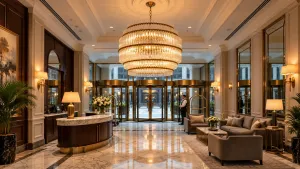
How Crystal Chandelier Lighting Transforms Light, Height and Luxury Interiors
September 23, 2026
-
The Art of Choosing a Luxury Table Clock: A Guide to Size, Style & Placement
September 21, 2026
-
Elegant Wall Lamps: The Secret to Warmer, More Characterful Luxury Interiors
September 21, 2026
-
Pairing Luxury TV Units with Living Room Furniture: Create Cohesive Elegance in Modern Homes & Hotel
September 20, 2026
-
CEO Office Design: Desk and Executive Chair Ideas for a High-End Corporate Interior
September 20, 2026
-
How to Choose a Living Room Side Table: 5 Design Rules | The Golden Ratio Guide
September 19, 2026
-
Why Boutique Hotels Are Investing in Classic Marble Statues for Lobbies and Gardens
September 19, 2026