





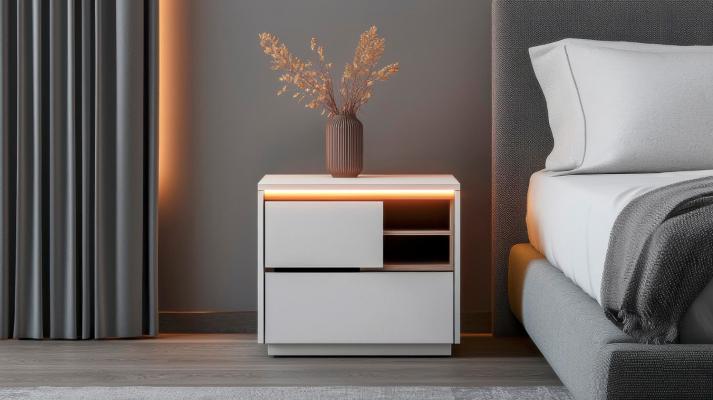
The Evolution of the Luxury Nightstand: From Storage to Statement
Posted by Luxury Group International Design Team / Luxury Bedroom Furniture / January 25, 2026
In the quiet hours of the bedroom, few pieces of furniture work as intimately as the nightstand. Always within arm’s reach, it holds the objects we end and begin our days with. Yet the luxury nightstand was not always the refined design feature it is today. Its journey from a purely functional companion to a visual statement reflects broader shifts in how we experience comfort, design, and personal space.
The evolution of luxury nightstand design is a story of changing lifestyles, materials, and expectations. What once existed for storage alone has become an essential element of bedroom aesthetics.
The Early Role: Function Before Form
Originally, bedroom nightstands were simple utility pieces. Their primary role was practical: a small surface for candles, books, or personal items. Design was secondary, and materials were chosen for durability rather than appearance.
These early bedroom nightstands were modest in size and detail. They blended quietly into the room, serving their purpose without demanding attention. In an era where bedrooms were more formal and less expressive, this simplicity made sense.
The Shift Toward Comfort and Personal Space
As bedrooms evolved into more personal, comfort-driven spaces, the nightstand followed. The introduction of bedside lamps, clocks, and decorative objects expanded its role beyond storage.
Designers began refining proportions and finishes. Drawers became smoother, surfaces more deliberate, and placement more intentional. The nightstand was no longer just a holder of objects. It became part of the bedtime ritual itself.
This marked the first step toward the elegant nightstand we recognize today.
Timeline of Transformation: Form, Function, and Materials
Classic Era
Nightstands mirrored larger furniture styles, often matching beds and wardrobes. Carved details, traditional silhouettes, and heavier forms were common. The nightstand acted as a supporting character rather than a focal point.
Transitional Phase
As interiors became lighter and more balanced, nightstands slimmed down. Storage remained important, but visual harmony gained equal value. Materials began to diversify, and symmetry played a key role in bedroom layouts.
Modern Luxury
Today’s luxury nightstand often balances minimalism with craftsmanship. Clean lines, refined finishes, and thoughtful detailing define its presence. Storage is discreet, sometimes concealed, allowing the piece to feel lighter and more architectural.
This evolution reflects a broader design philosophy: luxury is no longer about excess, but intention.
From Matching to Making a Statement
One of the most significant changes in the evolution of luxury nightstand design is independence. Nightstands are no longer required to match the bed perfectly. Instead, they complement it.
An elegant nightstand may contrast in material or tone while still maintaining balance. This flexibility allows homeowners and designers to introduce character without disrupting the bedroom’s calm atmosphere.
The nightstand has become a subtle statement piece, adding depth and personality to the space.
Material Innovation and Sensory Experience
Modern luxury emphasizes how furniture feels as much as how it looks. Nightstands now feature materials chosen for tactile and visual appeal.
Smooth finishes, refined textures, and precise detailing elevate everyday interactions. Opening a drawer or placing an object on the surface becomes part of the sensory experience of the room.
This attention to detail reinforces why luxury nightstands are no longer viewed as secondary furniture. They contribute directly to how restful and refined a bedroom feels.
The Emotional Role of the Nightstand
Storytelling is woven into modern bedroom design. The nightstand often holds personal items that reflect routine and identity. Books, lighting, and small objects create a narrative unique to the occupant.
In this sense, the nightstand is both functional and emotional. It frames the moments before sleep and after waking, grounding the bedroom experience in comfort and familiarity.
Conclusion: A Small Piece with a Big Presence
The journey from simple storage to design statement defines the evolution of luxury nightstand design. What began as a practical necessity has become an expressive, refined element of the modern bedroom.
Today’s bedroom nightstands combine function, form, and feeling. An elegant nightstand does not shout for attention, yet its presence is felt every day. In luxury interiors, this quiet confidence is what truly defines timeless design.
RECENT POSTS
-

The Art of Hospitality on Wheels: How Luxury Trolleys Elevate Boutique Hotel Experiences
September 25, 2026
-
The Art of Grandeur: How Baroque Coffee Tables Transform Luxury Living Spaces
September 25, 2026
-
The Art of Entertaining: How Luxury Bar Furniture Transforms Sophisticated Interiors
September 24, 2026
-
The New Art of Rest: Curating a Wellness-Focused Luxury Bedroom
September 24, 2026
-
Framed Prints That Bring Effortless European Elegance to Apartment Interiors
September 23, 2026
-

How Crystal Chandelier Lighting Transforms Light, Height and Luxury Interiors
September 23, 2026
-
Sculptural Illumination: How Contemporary Floor Lamps Are Becoming Modern Art Statements
September 22, 2026
-
The Art of Choosing a Luxury Table Clock: A Guide to Size, Style & Placement
September 21, 2026
-
Elegant Wall Lamps: The Secret to Warmer, More Characterful Luxury Interiors
September 21, 2026
-
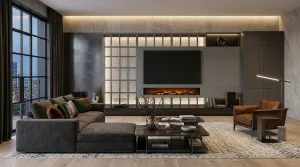
Pairing Luxury TV Units with Living Room Furniture: Create Cohesive Elegance in Modern Homes & Hotel
September 20, 2026