





The Five-Star Feeling: How Luxury Hotel Interior Design Turns Spaces into Experiences
Posted by Luxury Group International Design Team / Luxury Hotel Interior / July 05, 2026
A guest may forget the room number, but they rarely forget how a hotel made them feel. The moment they enter the lobby, notice the lighting, touch the fabric of a lounge chair, or step into a beautifully arranged suite, they begin forming an opinion about the brand. This is the true power of luxury hotel interior design. It does not simply fill a space with furniture; it shapes emotion, trust, comfort, and memory.
For European luxury shoppers, hotel owners, designers, and homeowners, interiors are no longer only about visual beauty. They are about experience. The most successful luxury hotel interiors tell a story from the entrance to the bedroom, from the dining area to the private lounge. Every mirror, sofa, lamp, table, wall panel, and decorative object plays a role in creating a five-star impression.
The Lobby: Where the Brand Begins
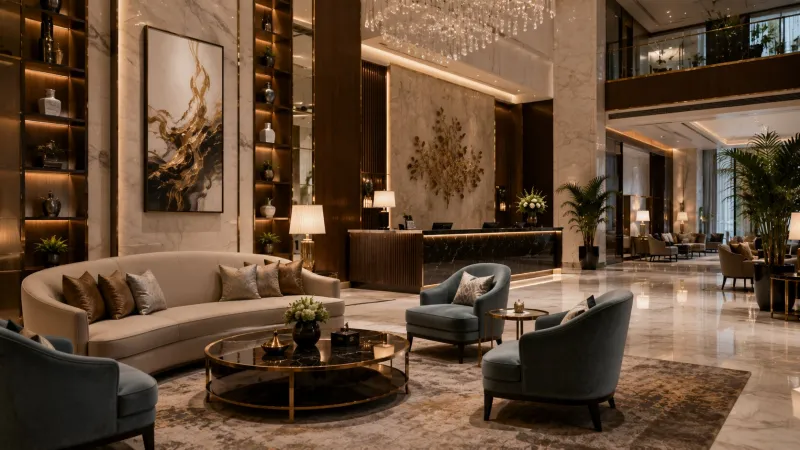
The lobby is the first silent conversation between the hotel and the guest. Before a receptionist speaks, the interiors have already made an introduction. This is why luxury hotel interior design for five star hotels often begins with a dramatic yet balanced lobby concept.
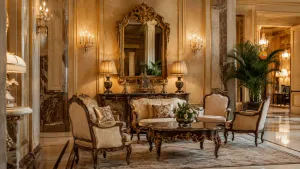
A grand entrance may include marble flooring, layered lighting, oversized mirrors, elegant seating, fresh floral arrangements, and curated home accents. But luxury does not always mean excess. The best hotel interiors feel impressive and welcoming at the same time. A guest should feel that they have arrived somewhere special, not somewhere overwhelming.
For a classic European look, designers may use chandeliers, carved consoles, velvet chairs, and warm metallic finishes. For a modern five-star hotel, the same luxury can be expressed through clean lines, sculptural furniture, neutral tones, and artistic lighting.
Reception Areas That Build Confidence
The reception space must feel organised, premium, and calm. Guests often arrive tired, excited, or in a hurry. A well-designed reception area makes the check-in experience feel smooth and reassuring.
In luxury hotel interiors, reception desks are no longer just service counters. They are design features. Materials such as stone, dark wood, brass, glass, and textured wall panels can make the area feel refined. Soft lighting around the desk, comfortable waiting chairs, and tasteful decorative ideas help create a sense of care.
When guests feel that the space is beautifully managed, they naturally believe the service will be equally thoughtful.
Guest Rooms: Private Comfort with Personality
A five-star room should feel more than clean and comfortable. It should feel personal, calm, and beautifully complete. This is where hotel decoration becomes highly important.
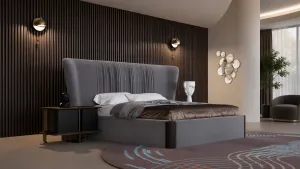
The bed is usually the centre of the room, but the surrounding elements create the full experience. A luxury headboard, bedside lamps, lounge chair, writing desk, wall art, rug, mirror, and wardrobe all contribute to the guest’s comfort. In luxury hotel interior design, every item must feel intentional.
A guest should have a place to relax, work, read, dress, and enjoy quiet time. This is why many premium suites include refined living room furniture, such as accent chairs, side tables, sofas, and coffee tables. These pieces make the room feel closer to a private luxury residence than a temporary stay.
Lighting: The Hidden Luxury Detail
Lighting can completely change how hotel interiors are experienced. Bright, flat lighting can make even expensive spaces feel cold. Warm, layered lighting creates depth, intimacy, and elegance.
In luxury hotel interior design for five star hotels, designers often use a mix of ceiling lights, wall sconces, table lamps, floor lamps, and hidden LED lighting. The goal is to create different moods throughout the day. Morning light should feel fresh and open. Evening lighting should feel soft, relaxing, and sophisticated.
For private homes, the same approach works beautifully in home decoration. A bedroom, living room, or office setup at home can instantly feel more premium when lighting is layered instead of relying on one main ceiling light.
Dining and Lounge Spaces That Encourage Emotion
Five-star hotels are remembered not only for rooms but also for their social spaces. Restaurants, lounges, bars, and waiting areas must feel inviting enough for guests to stay longer.
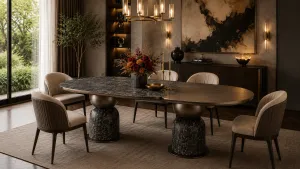
In luxury hotel interiors, dining spaces often include statement tables, upholstered chairs, decorative mirrors, artwork, soft carpets, and beautiful lighting. These details help create atmosphere. A restaurant should feel elegant in the morning, romantic in the evening, and impressive in photographs.
Lounges should support comfort and conversation. Deep sofas, accent chairs, low tables, bookshelves, plants, and premium home accents can make these areas feel warm and memorable. These decorative ideas are also useful for luxury homeowners who want to bring hotel-style elegance into their living rooms.
Decorative Ideas That Add Identity
The strongest hotels have a clear design identity. Guests can sense whether a hotel is palace-inspired, modern, coastal, heritage, boutique, or urban luxury. This identity is built through colour, material, furniture, lighting, and accessories.
For example, a heritage luxury hotel may use antique mirrors, carved wooden furniture, rich fabrics, and classical artwork. A modern European hotel may prefer neutral palettes, stone textures, sleek seating, and minimal home accents. A romantic boutique hotel may use soft curtains, floral details, gold-toned lighting, and artistic wall décor.
Good hotel decoration never feels random. It supports the story of the property and makes the brand easier to remember.
How Hotel Design Inspires Luxury Homes
Many homeowners now look to luxury hotel interior design for inspiration during home decoration and renovation. The reason is simple: hotels know how to combine beauty with comfort.
A luxury home can borrow ideas from five-star hotel interiors by using statement lighting, elegant mirrors, premium seating, rich fabrics, and carefully chosen decorative objects. A bedroom can feel like a hotel suite with layered bedding, bedside lamps, a soft rug, and a beautiful accent chair. A living room can feel more refined with luxury living room furniture, sculptural tables, and tasteful home accents.
Even an office setup at home can benefit from hotel-inspired design. A premium desk, comfortable chair, warm lighting, and decorative wall art can make the workspace feel polished and productive.
Why Interior Design Increases Brand Value
For hotels, interior design is not only an aesthetic decision. It is a business decision. Beautiful luxury hotel interiors help increase perceived value. Guests are more likely to photograph the space, recommend the hotel, return for another stay, and associate the brand with quality.
This is why luxury hotel interior design for five star hotels must focus on both beauty and function. A stunning chair must also be comfortable. A decorative table must also be practical. A grand lobby must also allow easy movement. The design should impress guests while making their stay effortless.
The Final Impression
True five-star design is not about filling every corner with expensive items. It is about creating harmony. The entrance should feel impressive. The room should feel restful. The restaurant should feel memorable. The lounge should feel inviting. Every detail should support the guest’s emotional journey.
In the end, luxury hotel interior design defines how guests see, feel, and remember a brand. It turns ordinary walls into experiences, furniture into storytelling, and decoration into long-lasting value. For luxury hotels, private homes, and elegant European interiors, the right design does not just create beauty—it creates the five-star feeling people want to return to.
RECENT POSTS
-
Old Walls, New Stories: How Contemporary Furniture Revives Heritage Hotels
August 18, 2026
-
Designing Upward: Why 8 Drawer Dressers Belong in High-Ceiling European Bedrooms
August 18, 2026
-
From Lobby to Suite: The Art of a Seamless Luxury Material Story
August 17, 2026
-
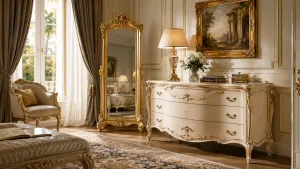
Modern Dressers That Bring Timeless Luxury to Refined Interiors
August 17, 2026
-
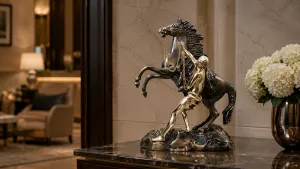
Behind the Craft: How Master Sculptors Create Luxury Bronze Sculptures
August 16, 2026
-
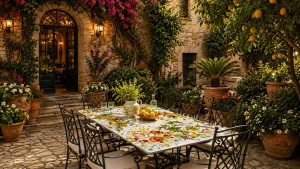
Where Elegance Meets the Outdoors: Luxury Dining Tables for European Terraces
August 16, 2026
-
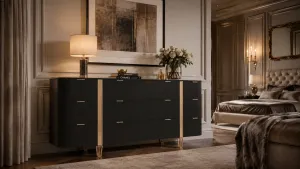
Grand Storage, Regal Style: 9 Drawer Dressers for Palace-Inspired Bedrooms
August 15, 2026
-
Legacy Over Trends: Why Hotels Invest in Hand-Carved, Gold-Leaf Furniture
August 15, 2026
-
Sustainable Luxury That Lasts: Materials Built for High-Traffic Hotel Interiors
August 14, 2026
-
Heritage Under the Open Sky: Vintage Dining Tables for Elegant Garden Living
August 14, 2026