





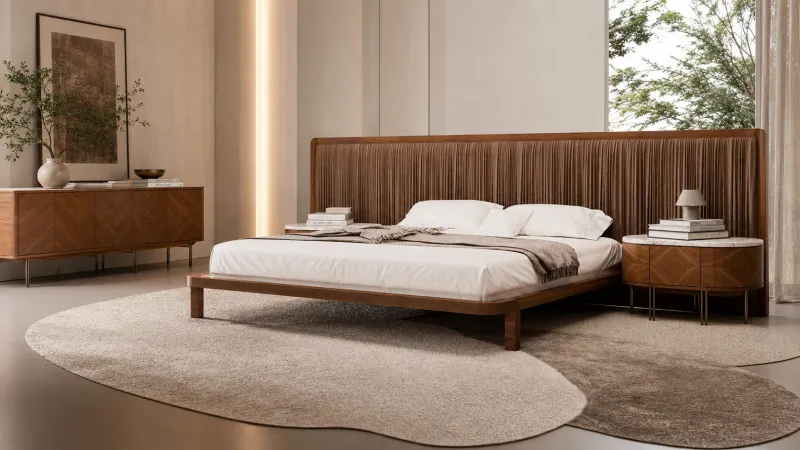
The Guest Room in 2035: Reimagining Luxury Through Concept Hotels and Future Design
Posted by Luxury Group International Design Team / Luxury Hotel Interior / September 01, 2026
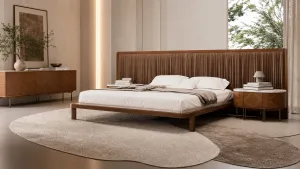
What if a hotel room in 2035 could change with the guest, respond to the climate and feel completely different from one stay to the next? The future guest room may be less about fixed furniture and more about intelligent environments that adapt, conserve resources and create highly personal experiences. As designers experiment with future hotel design, today's concept hotels are becoming laboratories for imagining what luxury hospitality could look like a decade from now.
For European luxury travellers, the most exciting question is no longer simply what will hotel rooms look like? How will they make us feel?
1. Modular Rooms That Adapt to Every Guest
The traditional guest room is built around permanent walls and fixed furniture. By 2035, modular architecture could make that approach feel surprisingly outdated.
Imagine partitions that move according to a guest's needs, transforming an open sleeping area into a private workspace or lounge. Modular beds, wardrobes and seating could similarly be rearranged without major construction.
This flexibility could redefine hotel interiors, allowing properties to refresh room layouts without replacing entire furniture collections.
2. Regenerative Materials Become the New Luxury
Tomorrow's luxury may be measured by what a product gives back rather than simply what it costs.
2035 interiors could feature furniture made from regenerative, recycled and bio-based materials. Mycelium composites, recycled metals, responsibly sourced timber and innovative plant-based surfaces may become increasingly visible across premium hospitality.
Instead of hiding sustainability behind the design, future luxury hotel furniture could make material stories part of the guest experience—turning a bedside table or lounge chair into a conversation starter.
3. Furniture That Responds to Climate
Climate-responsive design could become one of the defining features of future hotel design.
Picture a lounge chair that adjusts ventilation according to temperature, textiles engineered to regulate heat or furniture finishes designed specifically for changing humidity levels. Outdoor-inspired materials could move indoors, while smart shading and passive cooling strategies reduce dependence on energy-intensive systems.
The room itself could become a responsive ecosystem rather than a static collection of objects.
4. Sensory Technology Without the Technology Overload
Technology will undoubtedly become more integrated—but perhaps less visible.
In the concept hotels of the future, lighting, sound, temperature and fragrance could respond subtly to guest preferences. A room might shift from energising morning illumination to softer evening tones automatically.
The challenge for designers will be restraint. The best 2035 interiors may use technology so elegantly that guests notice the comfort before they notice the technology.
5. Luxury Decors With a Personal Story
Mass-produced uniformity may give way to personalised environments.
A future guest could select regional artwork, tactile materials, furniture configurations or decorative objects before arrival. Hotels might offer curated room personalities—from Alpine calm to Mediterranean warmth—while maintaining a consistent brand identity.
This could make luxury decors more experiential, turning every stay into something subtly different.
What Could the 2035 Guest Room Become?
The future guest room may ultimately combine three qualities: adaptability, responsibility and emotion.
Modular architecture could provide flexibility. Regenerative materials could reduce environmental impact. Climate-responsive furniture could improve comfort, while sensory technology could create personalised atmospheres.
Yet the most successful concept hotels will not necessarily be those with the most technology. They will be the ones that understand what luxury travellers have always valued: comfort, beauty, privacy and a sense of discovery.
So, what does your dream hotel room look like in 2035?
Designers, architects and luxury travellers—would you embrace an adaptive guest room, or would you rather keep the timeless hotel suite exactly as it is? Share your 2035 vision and let the conversation shape the future of hotel interiors.
Note:- Bring sophisticated European design closer to you. Browse exclusive luxury furniture app collections through the app.
RECENT POSTS
-
Royal Furniture in Modern Homes: The Art of Mixing Palace Grandeur with Contemporary Style
September 06, 2026
-

What Makes Handcrafted Bronze Luxury Pieces Worth Every Penny — And How to Spot a Genuine One
September 05, 2026
-
Baroque Lighting Meets Modern Design: Which Style Creates the More Luxurious Interior?
September 05, 2026
-
The Quiet Luxury of Side Tables: How Small Details Transform Sophisticated Interiors
September 04, 2026
-
Royal Beds That Turn Everyday Bedrooms into Palatial Retreats
September 04, 2026
-
12 Versace Wallpaper Designs to Watch in 2026: The Luxury Interiors Everyone Will Be Talking About
September 03, 2026
-
7 Hotel Bed Design Trends Defining Luxury Hospitality in 2026
September 03, 2026
-
The Ultimate Guide to King Size Hotel Beds: Creating 5-Star Comfort Through Luxury Design
September 02, 2026
-

Stainless Steel or Chrome-Plated Bathroom Fittings: The Durability Test Behind Luxury Hospitality
September 02, 2026
-
The Guest Room in 2035: Reimagining Luxury Through Concept Hotels and Future Design
September 01, 2026