





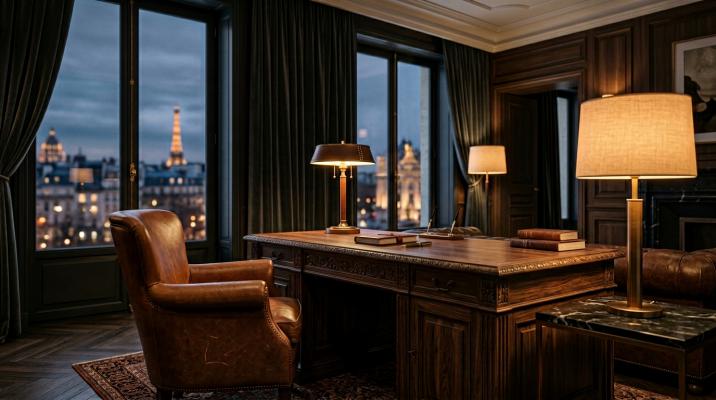
The Real Reason : Why Luxury Hotels Invest in High-End Furniture Instead of Following Trends
Posted by Luxury Group International Design Team / Luxury Hotel Interior / March 20, 2026
In the world of high-end hospitality, a lobby is more than a waiting area; it is a silent manifesto. When you walk into a Ritz-Carlton in Paris or a Bulgari Hotel in London, the atmosphere feels "permanent." It doesn’t scream a specific year, nor does it feel dated. It feels inevitable.The secret to this timelessness isn’t a magic trick. It is a calculated business strategy. While fast-furniture trends flicker and fade on social media, global hospitality giants continue to pour millions into luxury hotel furniture that is built to outlast the very buildings they inhabit.
But why? In an era of "disposable" aesthetics, why do the world’s most successful hoteliers choose the long road? Let’s unlock the psychology and the economics behind the "Immortal Room."
1. The Economics of Longevity (The "Cost-Per-Sit" Metric)
To a CFO of a five-star resort, high end furniture isn't an expense; it’s a depreciating asset that must perform at a peak level for decades. This is where the "Cost-Per-Sit" metric comes into play.
Standard commercial furniture might look the part for six months, but under the "high-traffic" reality of a luxury hotel—where a single armchair might see 1,000 different guests in a year—cheap materials disintegrate.
- Structural Integrity: Luxury pieces utilize kiln-dried hardwoods, high-performance Martindale-rated fabrics (often exceeding 100,000 rubs), and reinforced joinery that resists the "wobble" common in mass-produced items.
- The Math of Luxury: Buying a €4,000 designer sofa that lasts 15 years is significantly more profitable than replacing a €800 "trendy" sofa every two years. When you factor in the labor of removal, shipping, and downtime for a room, the high-end option wins every time.
2. Brand Perception: You Can’t Fake Weight
Guests at luxury properties are paying for an experience that transcends the domestic. They are looking for a "tactile upgrade" from their daily lives.
When a guest leans against a desk, it shouldn't shift. When they draw a chair to the table, it should have a purposeful, dampened weight. Why luxury hotels choose high end furniture often comes down to the subconscious psychology of touch.
"In luxury, the silence of a well-made drawer closing says more about the brand than a thousand neon signs."
Genuine marble, solid brass, and hand-stitched leather communicate "safety" and "prestige" to the brain. If the furniture feels flimsy, the guest assumes the service—and the safety of the hotel—is flimsy too.
3. The "Anti-Trend" Design Philosophy
Trends are, by definition, temporary. For a hotel, following a specific "micro-trend" (like the recent obsession with bouclé fabric or ultra-curved plastic) is a dangerous game. By the time a 300-room hotel finishes a three-year renovation, the trend might already be "out," rendering the property dated before the first guest checks in.
Instead, luxury hotel furniture focuses on:
- Classic Proportions: Pieces that reference historical design movements (Mid-century Modern, Art Deco, or Neoclassical) but are updated for modern ergonomics.
- Neutral Power: Using high-end materials in neutral palettes (oatmeal, slate, sand) allows the hotel to refresh the room's look with simple accessories like art or lighting without replacing the core investment pieces.
4. Sustainability Through Permanence
Modern luxury shoppers—particularly in the European market—are increasingly eco-conscious. There is nothing less sustainable than a landfill full of broken, trend-chasing furniture.
By investing in high end furniture, hotels lean into the "Circular Economy." These pieces are designed to be reupholstered and refinished, not replaced. A solid walnut table can be sanded and re-stained five times over fifty years, evolving with the hotel’s aesthetic while keeping its structural soul intact. This narrative of "legacy" is a powerful marketing tool for the modern, environmentally-aware traveler.
Luxury Furniture Performance Comparison
| Feature | Trend-Focused Furniture | High-End Luxury Furniture |
| Average Lifespan | 2–4 Years | 15–25+ Years |
| Material Base | MDF / Veneer / Plastic | Solid Wood / Stone / Forged Metal |
| Repairability | Low (Disposable) | High (Can be refurbished/restored) |
| Resale/Vintage Value | Zero | High (Often becomes a collector's item) |
5. The Emotional Anchor of Consistency
Ultimately, a hotel is a home away from home. Luxury hotel furniture provides a sense of grounding. There is a profound comfort in returning to a legendary hotel a decade later and finding the same iconic lounge chair in the corner—perhaps with a slightly deeper patina on the leather, but still standing strong.
That consistency builds trust. And in the hospitality industry, trust is the only currency that never goes out of style. When you invest in high-end furniture, you aren't just buying a chair; you are buying the promise that your brand will be just as elegant tomorrow as it is today.
RECENT POSTS
-
The Art of Hospitality on Wheels: How Luxury Trolleys Elevate Boutique Hotel Experiences
September 25, 2026
-
The Art of Grandeur: How Baroque Coffee Tables Transform Luxury Living Spaces
September 25, 2026
-
The Art of Entertaining: How Luxury Bar Furniture Transforms Sophisticated Interiors
September 24, 2026
-
The New Art of Rest: Curating a Wellness-Focused Luxury Bedroom
September 24, 2026
-
Framed Prints That Bring Effortless European Elegance to Apartment Interiors
September 23, 2026
-
How Crystal Chandelier Lighting Transforms Light, Height and Luxury Interiors
September 23, 2026
-
Sculptural Illumination: How Contemporary Floor Lamps Are Becoming Modern Art Statements
September 22, 2026
-
The Art of Choosing a Luxury Table Clock: A Guide to Size, Style & Placement
September 21, 2026
-
Elegant Wall Lamps: The Secret to Warmer, More Characterful Luxury Interiors
September 21, 2026
-
Pairing Luxury TV Units with Living Room Furniture: Create Cohesive Elegance in Modern Homes & Hotel
September 20, 2026