




Which Framed Wall Art Work Styles Suit Luxury Interiors Best
Posted by Luxury Group International Design Team / Luxury Wall Decoration / January 17, 2026
Selecting appropriate framed wall art work for luxury environments extends beyond personal taste—it requires understanding how artistic styles interact with architectural elements, spatial proportions, and the sophisticated visual language that defines premium interiors. The distinction between adequate decoration and transformative art curation lies in recognising which styles amplify rather than merely occupy wall space.
For luxury interior designers orchestrating cohesive environments and discerning property owners establishing their aesthetic signatures, comprehending the nuanced relationships between art styles and interior design movements proves invaluable. This exploration examines contemporary trends, timeless approaches, and emerging directions that position luxury framed art as essential rather than supplementary design components.
Contemporary Abstract Expressionism in Modern Luxury Interiors
Contemporary abstract works dominate current luxury interior trends, with European design markets showing 42% preference for non-representational art in high-end residential projects according to 2024 data from the International Interior Design Association. This style's appeal stems from its interpretive flexibility—abstract compositions accommodate diverse viewer perspectives without imposing singular narratives.
Large-scale abstract pieces in sophisticated colour palettes create commanding focal points without overwhelming spatial harmony. Neutral abstracts featuring subtle tonal variations in greys, taupes, and whites complement minimalist architecture whilst providing textural richness that prevents sterile atmospheres. These works function as visual breathing spaces—areas where the eye rests between architectural details and furnishing elements.
Bold chromatic abstracts introduce controlled energy into otherwise restrained environments. A singular statement piece featuring deep emerald, cobalt, or burgundy against neutral surroundings creates deliberate punctuation that elevates the entire composition. This approach particularly suits contemporary framed wall art work for elegant interiors where measured drama enhances rather than disrupts refined sensibilities.
Frame selections for abstract works typically favour clean profiles—simple black aluminium, natural oak, or metallic finishes that defer to the artwork whilst providing crisp boundaries. The framing should disappear into compositional service rather than compete for visual attention.
Classical Figurative Art and European Heritage Aesthetics
Traditional figurative painting maintains enduring relevance within luxury framed art specifications, particularly in properties honouring European heritage or classical architectural details. Academic portraiture, landscape paintings, and still life compositions bring historical gravitas that new construction cannot replicate through architecture alone.
Museums quality reproductions of Old Masters—when executed through archival giclée processes on museum-grade substrates—offer accessible entry into classical aesthetics. Caravaggio's dramatic chiaroscuro compositions or Vermeer's luminous domestic scenes translate effectively into luxury hotel environments where cultural sophistication forms brand identity.
Original period works, though requiring significant investment, deliver authentication that elevates properties into collector categories. European auction houses report sustained demand for 18th and 19th-century landscapes and portraiture suitable for residential display.
Framing for classical works demands period-appropriate approaches. Ornate gilded frames in baroque or rococo styles honour the artwork's historical context, though contemporary interpretations using simplified gilding or antiqued silver finishes bridge traditional content with modern interiors more successfully than heavily ornamental historical reproductions.
Photographic Art and Contemporary Visual Language
Fine art photography has emerged as the dominant medium in contemporary luxury interior projects, combining artistic merit with accessible subject matter that resonates across cultural boundaries. The medium's versatility—from dramatic black-and-white architectural studies to vibrant travel photography—accommodates diverse aesthetic directions whilst maintaining sophisticated credentials.
Oversized photographic prints measuring 150cm × 100cm or larger create gallery-level impact appropriate for double-height spaces and expansive wall planes common in luxury properties. Limited edition prints from recognised photographers like Andreas Gursky or Gregory Crewdson carry investment potential alongside aesthetic value, appealing to collectors seeking both visual and financial returns.
Black-and-white photography offers timeless elegance particularly suited to monochromatic interior schemes. Architectural photography showcasing iconic structures or abstract urban compositions provides intellectual engagement whilst maintaining visual restraint. This style particularly suits professional environments including boutique hotels and executive residences where sophistication without sentimentality defines the desired atmosphere.
Contemporary framing for photography favours gallery-style presentation—wide white or black mats creating generous breathing room around images, enclosed in minimal black, white, or natural wood frames. This approach honours photographic tradition whilst adapting to current aesthetic preferences favouring clean, uncluttered presentation.
Mixed Media and Textural Approaches
Three-dimensional framed wall art work incorporating mixed media techniques introduces tactile complexity that distinguishes luxury environments from standard installations. Works combining paint, metal leaf, fabric, or found objects create depth and shadow play that evolves throughout the day as natural light shifts.
European artists working in mixed media—particularly those incorporating metallic elements like copper, brass, or silver leaf—produce pieces that interact dynamically with interior lighting schemes. These works function as both art and architectural detail, their reflective surfaces capturing and redistributing light similarly to decorative mirrors whilst maintaining artistic integrity.
Textile art and fibre works bring warmth and acoustic benefits alongside visual interest. Contemporary woven pieces or embroidered textiles under glass create cultural references whilst introducing organic textures that soften hard architectural surfaces. This approach particularly suits hospitality environments seeking distinctive character beyond conventional painting or photography.
Framing mixed media requires custom solutions accommodating dimensional variations. Shadow box frames with substantial depth (5-10cm) protect three-dimensional elements whilst creating gallery-quality presentation. Museum glass with anti-reflective coatings ensures visibility whilst protecting delicate materials from UV damage and environmental fluctuations.
Minimalist Line Art and Architectural Drawings
Refined line drawings and architectural renderings represent an emerging trend within framed wall art work for elegant interiors, offering intellectual sophistication through restraint rather than abundance. Simple black ink on white paper, botanical illustrations, or technical architectural elevations provide visual interest without chromatic competition.
This style suits environments where furnishings and architectural details carry primary visual weight, with art providing complementary rather than dominant presence. Multiple smaller works arranged in grid formations create cohesive installations that unify expansive walls without requiring single oversized pieces.
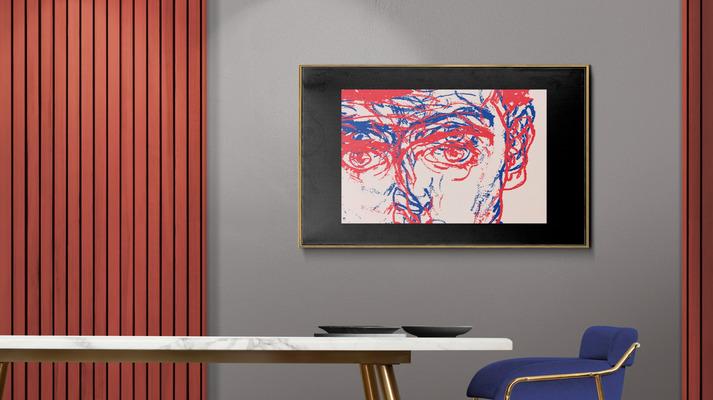
Contemporary illustrators producing limited edition prints in this style include Quibe, whose single-line celebrity portraits have gained recognition in design circles, and botanical artists creating scientifically accurate plant illustrations reminiscent of 18th-century naturalist drawings.
Framing minimalist works demands precision—perfectly square corners, exact mat cuts, and pristine glass become essential when the artwork itself comprises simple lines. Any framing imperfection becomes immediately apparent, making professional conservation framing non-negotiable for maintaining luxury presentation standards.
Colour Theory and Strategic Palette Coordination
The chromatic relationship between luxury framed art and surrounding interiors fundamentally influences spatial coherence. Analogous colour schemes—artwork incorporating hues adjacent on the colour wheel to dominant interior tones—create harmonious progression that guides the eye comfortably through compositions.
Complementary colour strategies introduce controlled tension through opposition. A predominantly blue interior benefits from artwork featuring warm copper or amber tones, creating visual vibration that energises without jarring. This approach requires restraint, typically limiting bold colour contrasts to singular statement pieces rather than multiple competing focal points.
Monochromatic art selections in varied tones of the same colour family establish sophisticated subtlety appropriate for ultra-luxury environments. Gradational grey abstracts or sepia-toned photography create depth through tonal variation whilst maintaining colour discipline that prevents visual fragmentation.
Current European design trends favour earth-toned palettes with occasional jewel-tone accents, reflecting broader sustainability consciousness and biophilic design principles. Framed wall art work incorporating terracotta, ochre, forest green, and deep blue aligns with these movements whilst providing timeless appeal that transcends seasonal trends.
Scale Considerations and Spatial Proportions
Dimensional appropriateness dramatically influences whether luxury framed art enhances or overwhelms its setting. The prevailing guideline suggests artwork should occupy 60-75% of available wall width to achieve balanced presence without crowding adjacent architectural features or furnishings.
Gallery walls comprising multiple smaller works offer flexibility for varied ceiling heights and irregular wall configurations. Professional installations maintain consistent spacing—typically 5-8cm between frames—creating unified compositions that read as singular elements despite comprising multiple pieces.
Vertical orientations elongate perceived ceiling height, particularly beneficial in spaces with standard 2.4-2.7m ceilings seeking enhanced grandeur. Conversely, horizontal works expand perceived width, improving proportions in narrow corridors or compressed spaces.
Conclusion
Determining which framed wall art work styles suit luxury interior environments requires balancing contemporary relevance with timeless sophistication, personal expression with broad appeal, and bold presence with compositional restraint. The most successful selections demonstrate conscious relationships with architectural context, furnishing palettes, and the experiential narrative the space intends to convey.
RECENT POSTS
-
The Art of Hospitality on Wheels: How Luxury Trolleys Elevate Boutique Hotel Experiences
September 25, 2026
-
The Art of Grandeur: How Baroque Coffee Tables Transform Luxury Living Spaces
September 25, 2026
-
The Art of Entertaining: How Luxury Bar Furniture Transforms Sophisticated Interiors
September 24, 2026
-
The New Art of Rest: Curating a Wellness-Focused Luxury Bedroom
September 24, 2026
-
Framed Prints That Bring Effortless European Elegance to Apartment Interiors
September 23, 2026
-
How Crystal Chandelier Lighting Transforms Light, Height and Luxury Interiors
September 23, 2026
-
Sculptural Illumination: How Contemporary Floor Lamps Are Becoming Modern Art Statements
September 22, 2026
-
The Art of Choosing a Luxury Table Clock: A Guide to Size, Style & Placement
September 21, 2026
-
Elegant Wall Lamps: The Secret to Warmer, More Characterful Luxury Interiors
September 21, 2026
-
Pairing Luxury TV Units with Living Room Furniture: Create Cohesive Elegance in Modern Homes & Hotel
September 20, 2026