





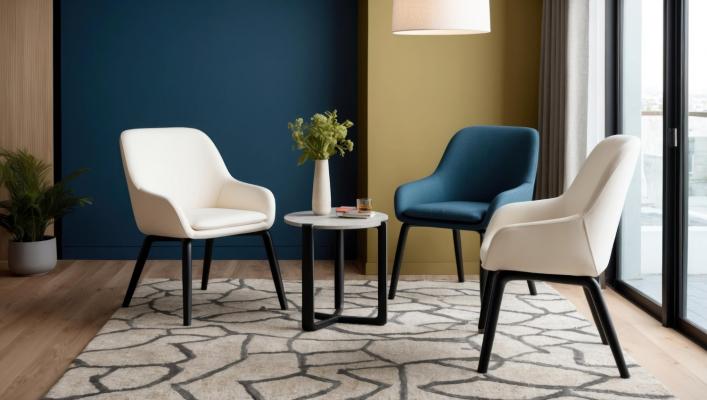
Why a Luxury Chair Is No Longer Just Seating but a Design Statement
Posted by Luxury Group International Design Team / Luxury Sofa Set / January 15, 2026
Walk into a refined hotel lobby, a curated penthouse living room, or a thoughtfully designed executive office, and one detail often commands attention before anything else—the chair. Not the sofa. Not the table. The chair.
Today, a luxury chair has moved far beyond its original purpose of providing a place to sit. It has become a visual anchor, a signal of taste, and in many cases, a quiet declaration of identity. Designers, architects, and discerning buyers no longer choose chairs solely for comfort. They select them for what they communicate.
This evolution is not accidental. It reflects deeper changes in how people live, work, host, and express status through interiors. The modern luxury buyer wants furniture that performs, lasts, and speaks—without saying a word.
The Shift: From Functional Object to Design Expression
Historically, chairs were judged by durability and basic comfort. In luxury interiors today, those qualities are assumed. What differentiates one piece from another is its ability to shape the atmosphere of a space.
Market data supports this shift. The global luxury furniture segment continues to grow steadily, driven by high-end residential projects, hospitality spaces, and design-conscious buyers who view furniture as part of a long-term lifestyle investment. Growth forecasts into the next decade show that buyers are not merely purchasing more furniture—they are purchasing better, more meaningful pieces.
Within this context, the chair has emerged as one of the most powerful design tools. Unlike large furniture items that define layouts, a chair can be repositioned, spotlighted, and visually isolated. This makes it uniquely capable of functioning as luxury chair as statement furniture.
Why Chairs Have Become the Fastest Way to Signal Luxury
1. A Chair Is Instantly Readable
A chair’s silhouette is immediately visible. Its proportions, materials, and craftsmanship can be understood at a glance—even by non-experts.
This is why interior designers often start with seating when building a room’s visual narrative. A sculptural luxury armchair can establish tone before color palettes, lighting layers, or accessories come into play.
In hospitality interiors especially, where first impressions shape guest perception, a single well-chosen chair can communicate refinement, confidence, and attention to detail.
2. The Rise of the “Statement Piece” Interior
Contemporary interiors increasingly revolve around fewer but stronger focal points. Instead of filling spaces with multiple decorative elements, designers now emphasize one dominant object that anchors the room.
A luxury chair fits this role perfectly:
- It occupies visual foreground without overwhelming space- It can stand alone or contrast with minimal surroundings
- It performs equally well in residential, hotel, and commercial settings
This approach aligns with modern luxury sensibilities—controlled, intentional, and curated rather than excessive.
Comfort Is No Longer Invisible—It’s Engineered Luxury
One reason luxury seating has gained design prominence is the advancement of ergonomic engineering. Comfort is no longer a hidden feature; it is a measurable, research-driven component of value.
Industry standards for seating ergonomics emphasize posture support, pressure distribution, and long-duration comfort—especially relevant in offices, lounges, and reception areas. Buyers increasingly understand that true luxury means feeling good over time, not just looking good for a moment.
As a result, the modern luxury chair delivers:
- Structural balance that supports the body naturally- Materials that age gracefully without compromising comfort
- Construction methods tested for durability and long-term use
This fusion of comfort science and visual elegance elevates the chair from furniture to functional design object.
Craftsmanship as a Visual Language
Luxury is often defined by what can be seen—and what can be felt. In chairs, craftsmanship is not hidden behind panels or mechanisms. It is openly displayed.
Details that signal luxury include:
- Precision upholstery with consistent seam spacing- Hand-finished leather or premium textiles
- Solid internal structures that maintain form over decades
- Joinery and construction techniques visible in profile and posture
Buyers do not need technical manuals to recognize quality. They instinctively read it through touch, weight, and visual balance.
This is one reason a luxury armchair often becomes the most photographed piece in a space. It rewards attention.
Design Heritage: When Chairs Become Cultural Objects
Some chairs transcend trends because they are validated by design history itself. When a chair enters museum collections or remains in continuous production for decades, it acquires cultural authority.
These pieces influence contemporary design not because they are old, but because they represent:
- Breakthroughs in form or material use- Perfected proportions that resist obsolescence
- A balance between artistic vision and human comfort
This heritage effect impacts modern buying behavior. Even newly designed luxury chairs borrow cues from these classics—clean lines, disciplined geometry, and material honesty—because buyers associate them with timeless value.
Owning such a chair becomes less about decoration and more about participation in a design legacy.
Sustainability Has Redefined What Luxury Means
Modern luxury buyers increasingly connect value with responsibility. Research shows that consumers are willing to pay a premium for products made with sustainable practices and transparent sourcing.
In seating, this translates into:
- Longer product lifecycles instead of disposable furniture- Materials chosen for durability and repairability
- Manufacturing processes that emphasize quality over volume
A luxury chair today is often expected to last decades, not years. This expectation strengthens its role as a statement piece—something meant to stay, age, and remain relevant as interiors evolve.
Sustainability has shifted luxury from “rare and expensive” to “considered and enduring.”
Why Chairs Outperform Other Furniture as Design Statements
Chairs vs. Sofas
Sofas define seating capacity, but chairs define character. A single chair can stand alone, while a sofa usually requires context.
Chairs vs. Tables
Tables are functional anchors. Chairs are expressive forms. They invite interpretation.
Chairs vs. Decorative Objects
Art and décor are visual only. A luxury chair combines art with use, making it more emotionally engaging.
This hybrid nature—functional yet sculptural—is why chairs have become the preferred object for designers looking to create impact without clutter.
Luxury Chairs in Hospitality and Commercial Spaces
In hotels, lounges, and reception areas, seating choices directly influence guest perception. Studies consistently link interior quality with guest satisfaction, repeat visits, and brand recall.
A well-placed luxury armchair in a lobby or suite:
- Signals quality before service interaction- Encourages guests to pause and engage with the space
- Becomes part of the brand’s visual memory
This is why high-end hospitality projects invest heavily in statement seating. The chair becomes part of the guest experience narrative.
How to Choose a Luxury Chair as Statement Furniture
For buyers and designers, selecting the right statement chair requires intention. Key considerations include:
- Placement – Choose locations where the chair can breathe visually
- Contrast – Let the chair stand out against restrained surroundings
- Material Story – Ensure materials align with the space’s tone
- Comfort Integrity – Visual impact must be matched by real comfort
- Longevity – Prioritize designs that will remain relevant over time
A successful statement chair does not compete with the room—it completes it.
The Emotional Value of a Luxury Chair
Beyond design logic and market trends, there is an emotional layer. People form attachments to chairs more easily than to many other furniture pieces.
Why?
- Chairs are personal; they are used individually- They often become associated with moments of rest, thought, or conversation
- Over time, they develop familiarity and presence
This emotional resonance reinforces the chair’s status as more than an object. It becomes part of daily rituals and personal identity.
Conclusion: Seating That Speaks Without Words
The modern luxury chair represents a convergence of design, comfort, heritage, and values. It no longer waits quietly in the background. It participates in the story of the space.
As interiors become more intentional and buyers more informed, chairs have emerged as the most efficient way to express refinement. They require less space, deliver greater impact, and offer both visual and physical satisfaction.
In today’s design language, a luxury chair is not just seating.
It is authorship.
It is confidence.
It is luxury chair as statement furniture.
RECENT POSTS
-
The Art of Hospitality on Wheels: How Luxury Trolleys Elevate Boutique Hotel Experiences
September 25, 2026
-
The Art of Grandeur: How Baroque Coffee Tables Transform Luxury Living Spaces
September 25, 2026
-
The Art of Entertaining: How Luxury Bar Furniture Transforms Sophisticated Interiors
September 24, 2026
-
The New Art of Rest: Curating a Wellness-Focused Luxury Bedroom
September 24, 2026
-
Framed Prints That Bring Effortless European Elegance to Apartment Interiors
September 23, 2026
-
How Crystal Chandelier Lighting Transforms Light, Height and Luxury Interiors
September 23, 2026
-
Sculptural Illumination: How Contemporary Floor Lamps Are Becoming Modern Art Statements
September 22, 2026
-
The Art of Choosing a Luxury Table Clock: A Guide to Size, Style & Placement
September 21, 2026
-
Elegant Wall Lamps: The Secret to Warmer, More Characterful Luxury Interiors
September 21, 2026
-
Pairing Luxury TV Units with Living Room Furniture: Create Cohesive Elegance in Modern Homes & Hotel
September 20, 2026