





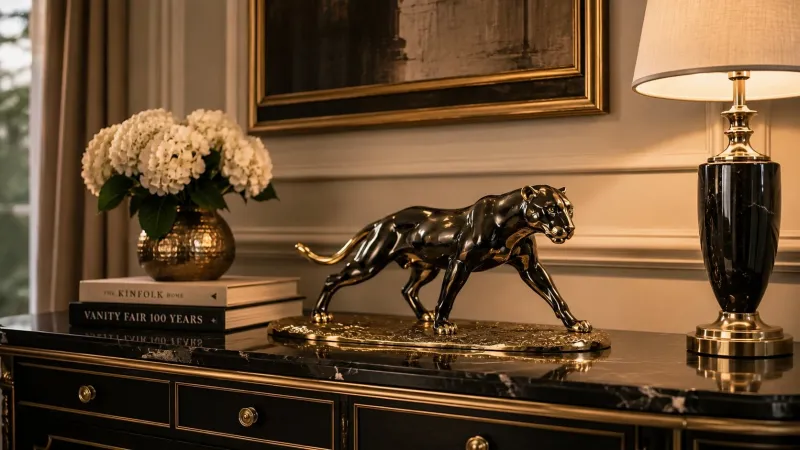
Wild Instinct, Refined Form: Why Animal Sculptures Still Move Modern Interiors
Posted by Luxury Group International Design Team / Classic Sculptures / July 31, 2026
A room can be beautifully furnished and still feel emotionally quiet. Then one sculptural animal enters the space—a poised horse, a watchful panther, a soaring bird—and suddenly the interior gains energy, symbolism, and story. This is the enduring power of animal sculptures. They do not simply decorate a surface; they awaken instinct and imagination.
For luxury collectors across Europe, animal sculptures continue to hold an important place in modern art and refined home interiors.
Symbols That Speak Without Words
The meaning of animal sculptures in modern art often begins with symbolism. Lions suggest courage and authority. Horses evoke freedom and movement. Birds communicate aspiration, while deer can represent grace and renewal.
These associations are not fixed rules. Their emotional effect depends on personal experience, culture, and the atmosphere of the room. This openness makes animal sculptures compelling because each viewer can discover a different meaning within the same form.
A modern contemporary sculpture may simplify the animal into clean lines or geometric planes, yet its presence can still feel familiar. The artist removes detail while preserving the posture or spirit that makes the subject recognisable.
Why Animals Feel So Immediate
Human beings have always observed animals with fascination. We see qualities in them that we admire, fear, or wish to possess. This connection gives modern sculptures an emotional directness that abstract objects may not always achieve.
A bronze bull can bring controlled power to an executive lobby. A pair of cranes may create calm within a private residence. A playful animal form can soften formal home decors and make the room feel more personal.
Unlike trend-led accessories, animal sculptures engage viewers through character. They appear to occupy the space rather than merely sit within it.
Materials That Transform the Message
Material choice changes how a sculpture is experienced. Polished metal feels glamorous and contemporary, while bronze conveys heritage and permanence. Marble gives animal forms classical dignity, and resin allows artists to explore bold colours, exaggerated proportions, and new textures.
For refined home interiors, luxury sculptures often combine traditional techniques with modern finishes. A black lacquer leopard may feel dramatic, while a brushed-gold horse can introduce warmth and movement.
The finest pieces reveal craftsmanship through balanced proportions, refined surfaces, and expressive detail.
Styling Animal Sculptures with Confidence
Placement is essential. A large modern contemporary sculpture deserves breathing space in an entrance hall, hotel lobby, or beside a statement console. Smaller animal sculptures work beautifully on sideboards, bookshelves, marble tables, or inside curated cabinets.
Avoid surrounding a powerful piece with too many competing objects. Let the sculpture become the focal point, supported by thoughtful lighting and restrained home decors.
Scale should reflect the architecture. Large luxury sculptures suit open-plan villas and hospitality spaces, while compact modern sculptures can create impact in apartments.
Emotion Is the Lasting Luxury
The meaning of animal sculptures in modern art is ultimately personal. Their value lies not only in material or craftsmanship, but in the feeling they create.
Animal sculptures remain powerful because they connect polished modern living with something instinctive and timeless. They bring movement to still rooms, personality to luxury spaces, and emotional depth to home interiors. In a world of changing design trends, that connection continues to feel rare, memorable, and genuinely luxurious.
RECENT POSTS
-
The Art of Entertaining: How Luxury Bar Furniture Transforms Sophisticated Interiors
September 24, 2026
-
The New Art of Rest: Curating a Wellness-Focused Luxury Bedroom
September 24, 2026
-
Framed Prints That Bring Effortless European Elegance to Apartment Interiors
September 23, 2026
-
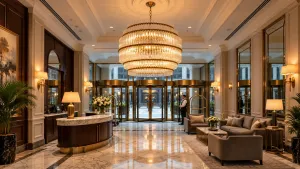
How Crystal Chandelier Lighting Transforms Light, Height and Luxury Interiors
September 23, 2026
-
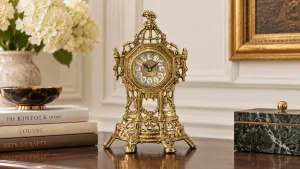
The Art of Choosing a Luxury Table Clock: A Guide to Size, Style & Placement
September 21, 2026
-
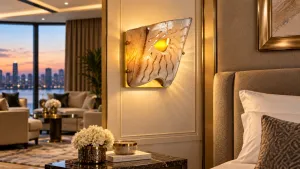
Elegant Wall Lamps: The Secret to Warmer, More Characterful Luxury Interiors
September 21, 2026
-
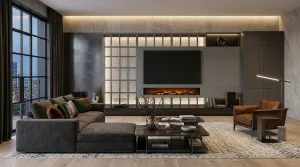
Pairing Luxury TV Units with Living Room Furniture: Create Cohesive Elegance in Modern Homes & Hotel
September 20, 2026
-
CEO Office Design: Desk and Executive Chair Ideas for a High-End Corporate Interior
September 20, 2026
-
How to Choose a Living Room Side Table: 5 Design Rules | The Golden Ratio Guide
September 19, 2026
-
Why Boutique Hotels Are Investing in Classic Marble Statues for Lobbies and Gardens
September 19, 2026