





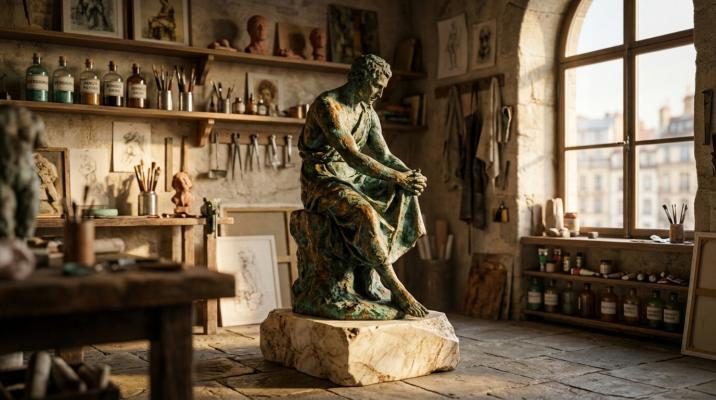
The Patina Secret: How Artisan Finishes Make Bronze Sculptures Age Like Fine Wine in 2026
Posted by Luxury Group International Design Team / Classic Sculptures / March 05, 2026
There is a reason seasoned collectors speak about bronze sculptures the way sommeliers talk about a great Bordeaux — with reverence, patience, and a deep understanding that time only makes them better. In 2026, as the luxury art market continues to prize authenticity and craftsmanship over mass production, one quiet secret is separating the truly extraordinary pieces from the merely decorative: patina.If you have ever run your fingertips across the surface of an antique bronze sculpture and felt that inexplicable pull — that sense of history living inside the metal — you have already met patina. But what exactly is it, and why does it matter so much to discerning collectors? Let's pull back the curtain.
What Is Patina, and Why Does It Make All the Difference?
Patina is the natural or chemically induced layer that forms on the surface of bronze over time. It is the result of oxidation, where copper in the alloy reacts with oxygen, moisture, and environmental elements to produce rich tones — from warm amber and russet brown to deep forest green and near-black.
Far from being a flaw, patina is the soul of a bronze sculpture statue. It tells the story of the piece: where it has lived, how it has been cared for, and just how old it truly is. In the world of luxury bronze sculptures, a beautifully developed patina can dramatically increase both the aesthetic and monetary value of a work.
Artisan Patinas vs. Natural Aging: What Collectors Should Know
Here is where it gets fascinating — and where the expertise of skilled foundry artists truly shines.
► Natural patina develops over decades. A sculpture placed in a garden, exposed to rain and sunlight, will slowly build a complex green-grey surface known as verdigris. This is the same breathtaking color you see on aged monuments and historic bronzes in European museums.
► Artisan-applied patinas, on the other hand, are the result of master craftsmen using carefully controlled chemical processes — often involving ferric nitrate, liver of sulfur, or cupric nitrate — to accelerate and direct this aging. The result? Artisan patina bronze figurines that look as though they have been aging gracefully for a century, applied with painterly precision in foundries across Europe.
Think of it this way: natural aging is like aging wine in a cellar and hoping for the best. Artisan patina is the master winemaker guiding every nuance of the process.
Close-up workshop photography of these patinas reveals an almost geological beauty — layers of color that shift in different light, depth that flat paint could never replicate, and a warmth that makes the sculpture feel alive.
How Bronze Sculptures Age Beautifully Over Time
Understanding how bronze sculptures age beautifully in 2026 is essential knowledge for any serious collector. Here is a simplified timeline:
- Years 1–5: The surface begins to mellow. Sharp edges soften visually. An artisan patina deepens and becomes more complex in warm or humid environments.
- Years 10–20: Natural oxidation begins to layer over the foundry finish. Highlights and shadows become more pronounced, giving the sculpture extraordinary visual depth.
- Years 50+: The piece enters true antique territory. The patina becomes irreplaceable — a living record that cannot be faked or replicated.
This aging process is precisely why bronze patina care for luxury sculptures is such an important practice. Regular light waxing with a quality microcrystalline wax protects the patina from pollutants while allowing it to breathe and continue developing naturally.
Troubleshooting: Common Patina Concerns for Collectors
Q: My sculpture has developed an uneven green spot. Should I be worried?
In most cases, no. Localized green spotting is active verdigris and is perfectly natural, especially on outdoor pieces. Gently clean with a soft cloth and re-wax to stabilize it.
Q: Can a damaged patina be restored?
Yes — but always consult a professional foundry or conservator. Attempting to clean or strip a patina incorrectly can permanently damage the surface and significantly reduce value.
Q: Does indoor placement slow patina development?
It does — significantly. Indoor pieces age more slowly and evenly, which many collectors prefer for maintaining the integrity of an artisan finish.
Patina as Investment: The Collector's Perspective
For the discerning buyer, antique bronze sculptures and well-patinated modern works are increasingly viewed as tangible assets. Unlike contemporary decorative objects, a beautifully aged bronze does not depreciate with trends — it appreciates with time, rarity, and provenance.
The key is sourcing from foundries and studios with verifiable artisan credentials — ideally pieces crafted in the European tradition, where patina chemistry has been refined over generations.
Final Thoughts
The secret to why bronze sculptures age like fine wine is no longer a secret at all — it is an open invitation to collect with intention. Patina is not just surface beauty; it is proof of material integrity, artistic mastery, and the irreplaceable passage of time.
Whether you are beginning your collection or expanding an established one, understanding patina is the single most valuable piece of knowledge you can carry with you.
Explore our full range of handcrafted, museum-quality bronze sculptures — each finished by skilled artisans using time-honoured patina techniques that ensure your piece only grows more extraordinary with every passing year.
Your collection deserves to age as beautifully as the art within it.
RECENT POSTS
-
The Art of Sitting Beautifully: Upholstered Bench Designs Where Comfort Meets Craftsmanship
October 08, 2026
-
Modern Luxury Lighting Trends That Are Quietly Transforming Elegant Interiors
October 08, 2026
-
The Quiet Power of Luxury Statues: Sculptural Accents for Opulent Interiors
October 07, 2026
-

The Art of Calm: Why Elegant Bedroom Furniture Never Feels Overwhelming
October 07, 2026
-
Royal Dressing Tables: The Elegant Centrepiece of a Sophisticated Bedroom
October 06, 2026
-

The Perfect Glow: How Luxury Dining Chandeliers Transform Formal Dining Spaces
October 06, 2026
-

When Lighting Becomes Art: Luxury Chandelier Designs That Define Grand Interiors
October 05, 2026
-
The Art of Entertaining: Luxury Bar Cabinets That Turn Home Lounges Into Statement Spaces
October 05, 2026
-
The Quiet Luxury Bathroom: Why Hidden Bathtubs Are Defining 2026
October 04, 2026
-

The Timeless Allure of Round Marble Coffee Tables in Luxury Interiors
October 04, 2026